Category Archives: Books

books

A Four Dimensional Concrete Sculpture Happening

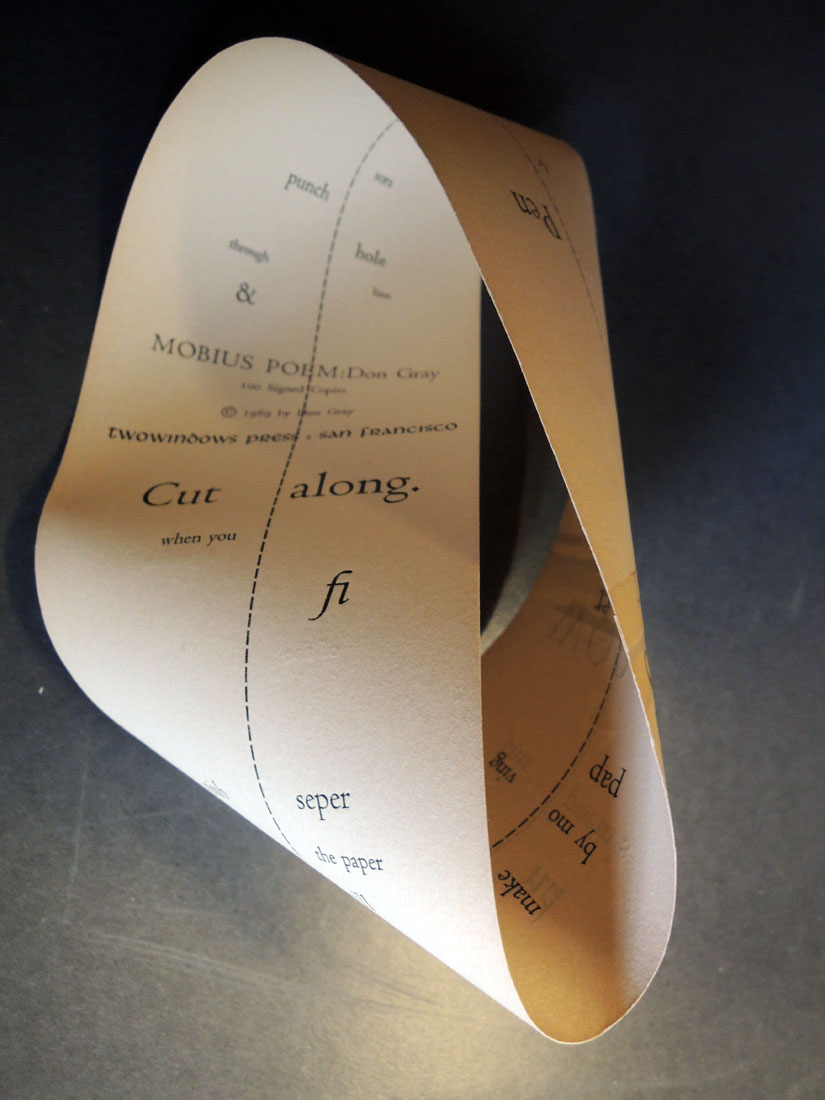
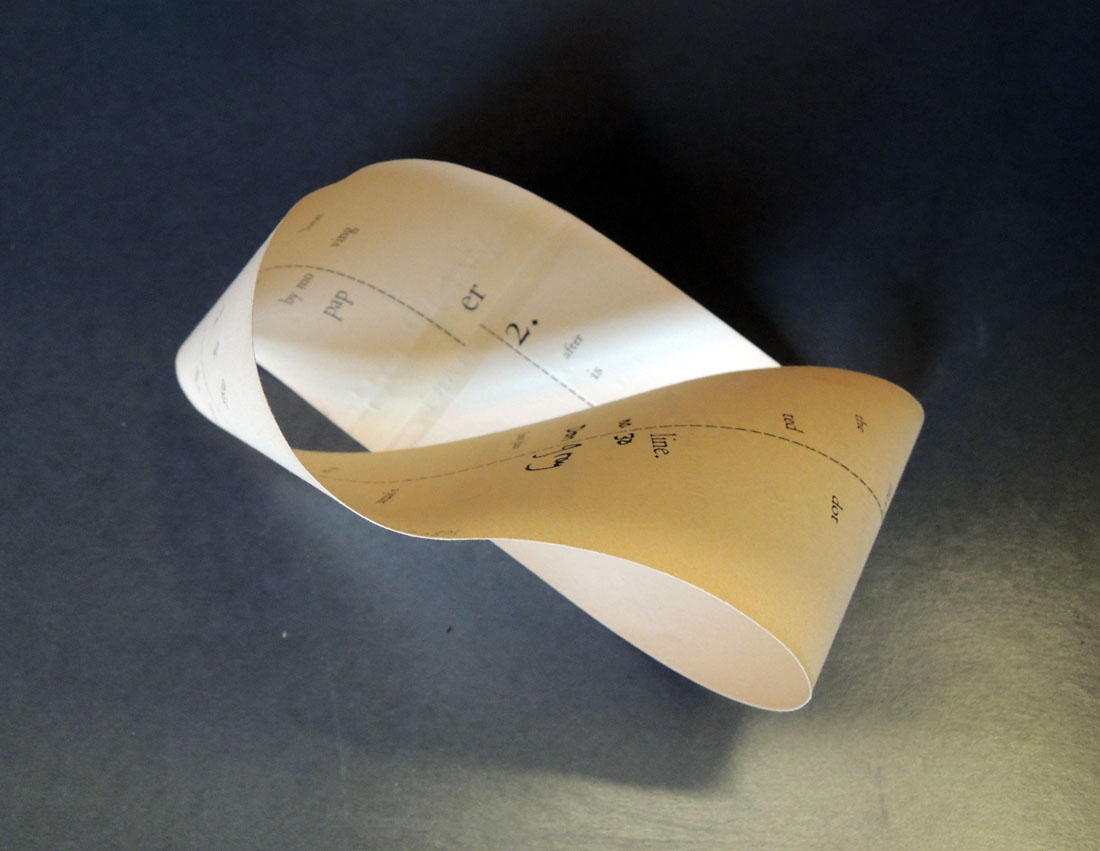
mobius poem1Born in Macon, Georgia, the poet and fine press printer Don Gray (194?-1999) moved to California after college. A motorcycle accident in 1965 resulted in the amputation of his right arm but this didn’t stop him from learning to set type and print with only his left hand. Gray established the imprint of Twowindows Press in San Francisco in 1967 and began making letter press poetry books. When his family moved to Berkeley in the 1978, so did the press. To earn a living, Gray worked as a high school teacher, eventually becoming head of his English Department.

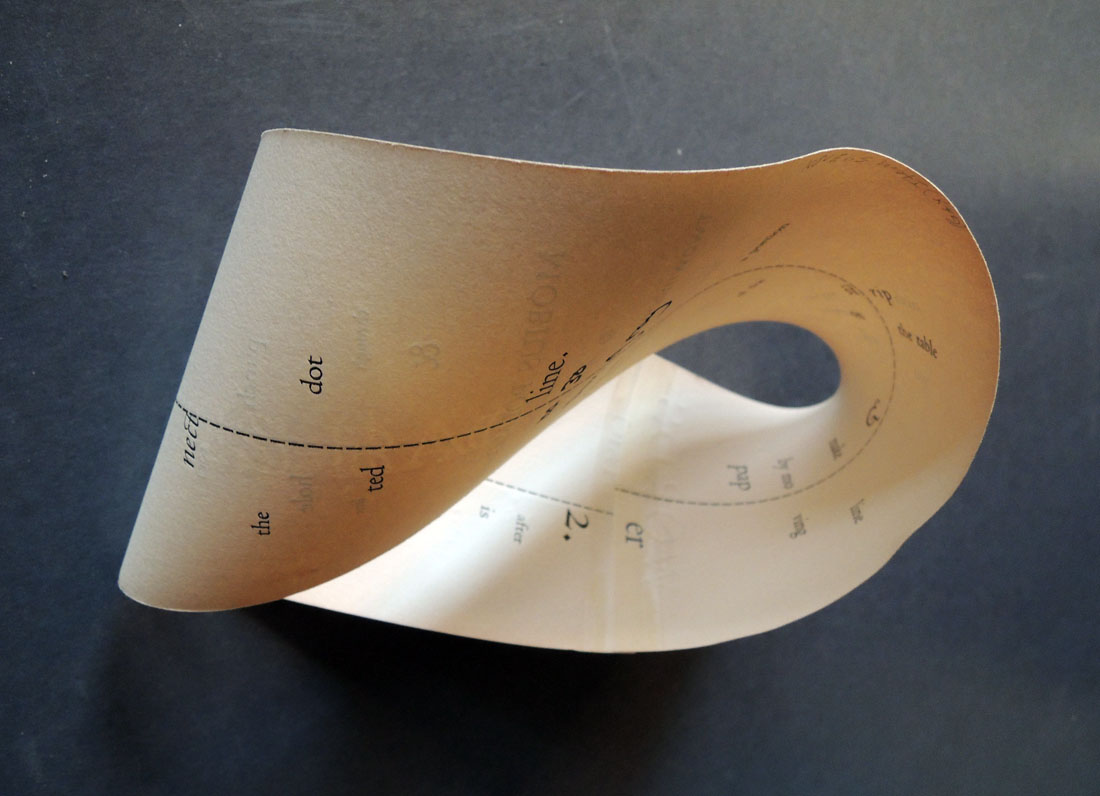
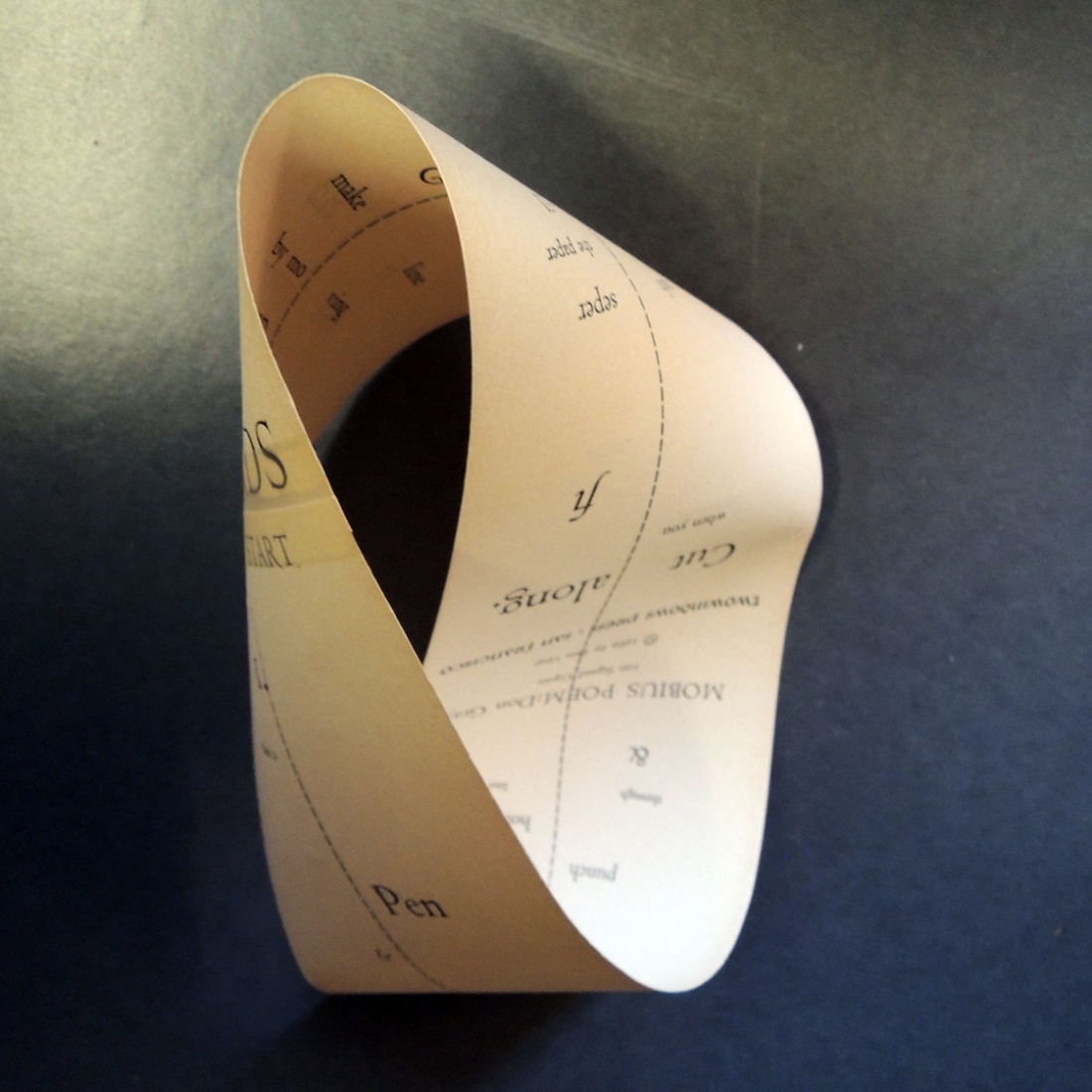
In 1969, he wrote and printed a strip of paper with a poem and twisted it into a Mobius strip, leaving instructions as to how to cut the loop once you acquired it. We have not yet cut our Mobius Poem:  Being a Four Dimensional Concrete Sculpture Happening, which sits happily in a clamshell box built by our book conservator at the time.
mobius poem4
mobius poem2
mobius poem3Don Gray (194?-1999), Mobius Poem (San Francisco: Twowindows Press, 1969). Series: Twowindows folio, 5. No. 30 of 100 signed copies. Graphic Arts Collection (GAX) 2010-0461N

Other books by Gray include Little Un’s Book (1968); The Five Hours (1969); Dark Side of the Moon (1970); and The Saga of Sam & Martha (1978).

Satire on gout continued

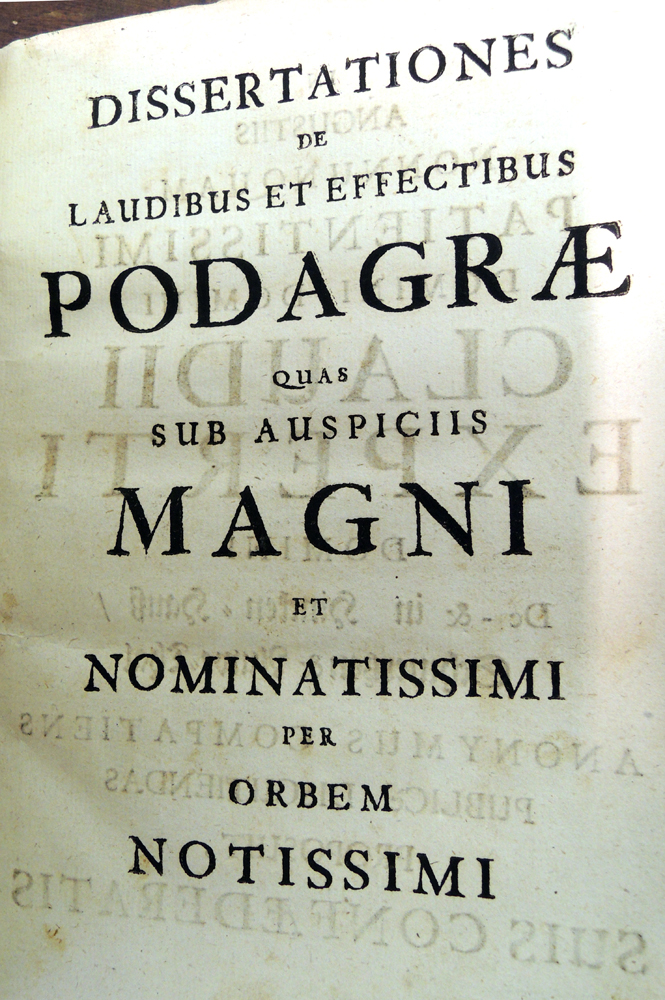
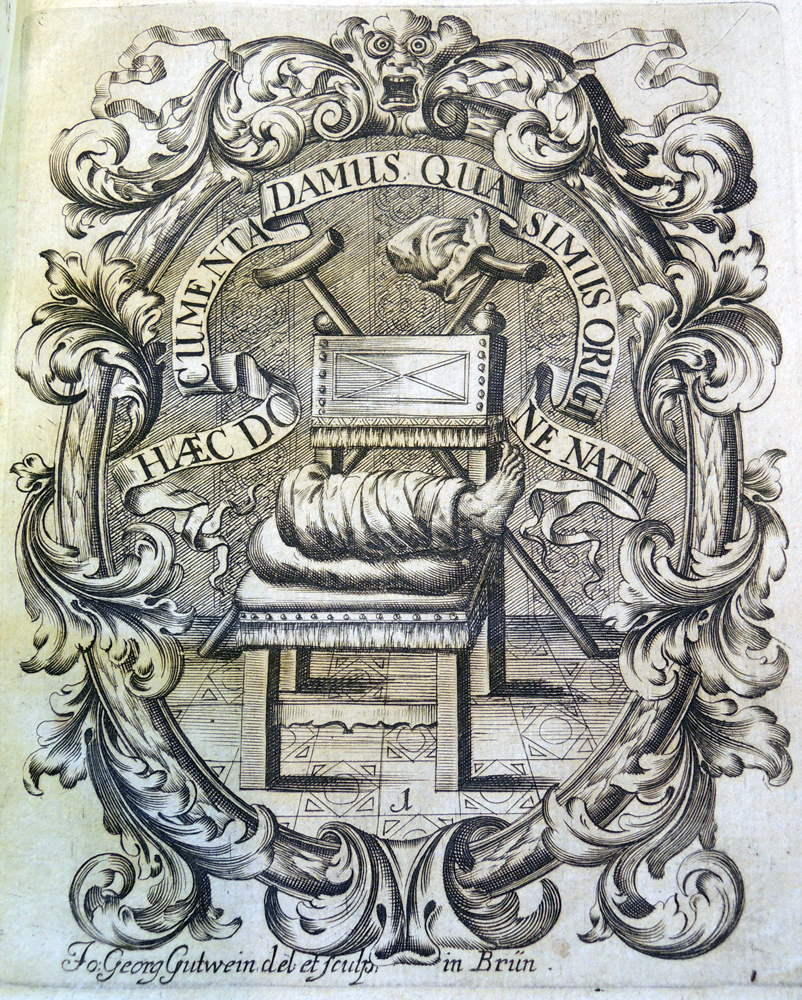
dissertationes7Dissertationes de laudibus et effectibus podagrae quas sub auspiciis… ([Brün?]: no publisher, [1715]). Illustrated by Johann Georg Gutwein. Graphic Arts Collection GAX 2014- in process

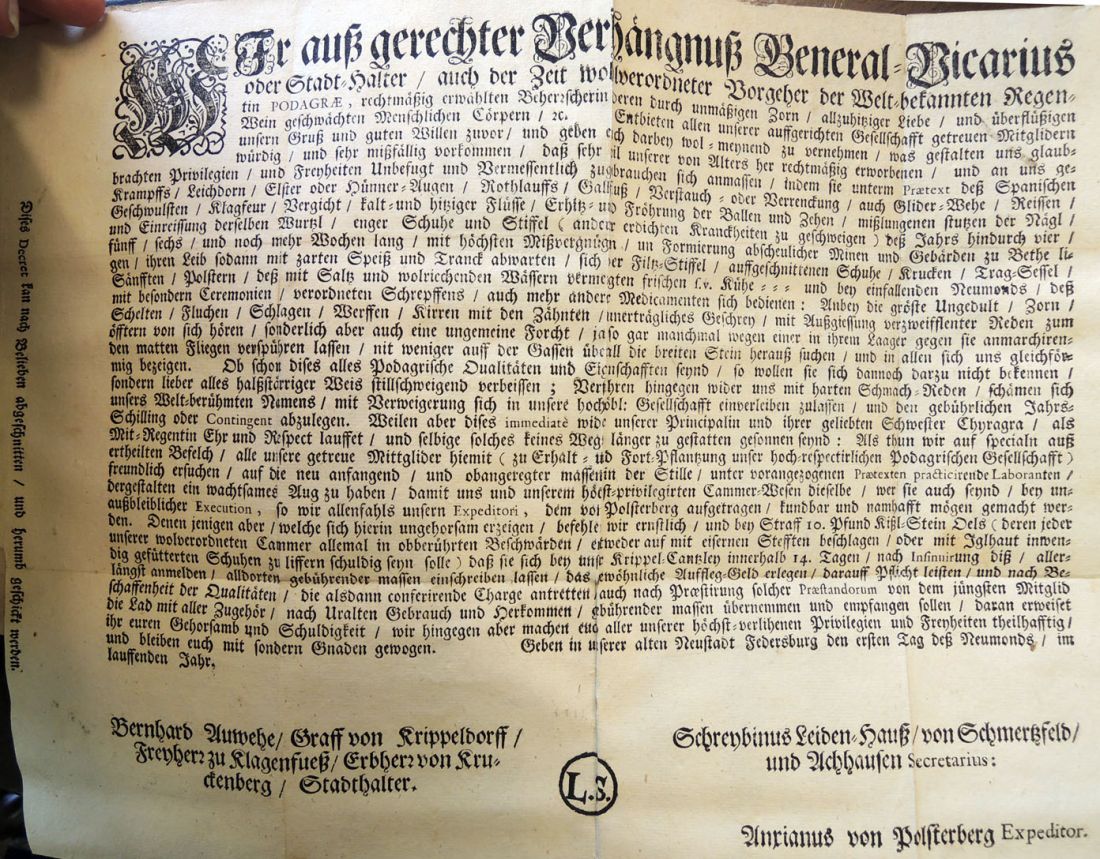
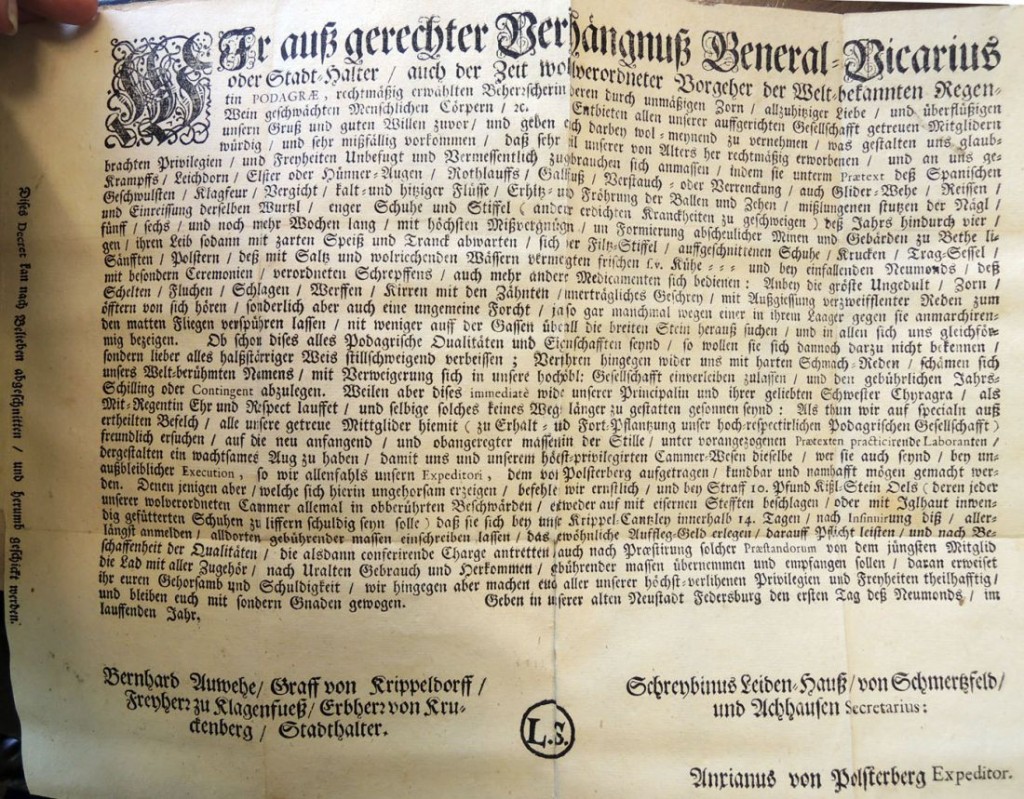
At the back of our newly acquired satire on gout is a proclamation, making fun of scholarly diplomas and professional certificates.  This one congratulates the man who has acquired gout. Our colleague recently did a rough translation of the text, which is too good not to share.
dissertationes12

Translation of Podagra Decree:

We, by just misfortune deputy-general or governor, also at present delegated representative of the world-renowned monarch Podagra, the rightfully elected sovereign of those whose human bodies, through immoderate wrath, too ardent love, and superfluous wine, &c.    Do present to all faithful members of our upright society, first of all our greetings and good will, and thereby give you to understand, how credible and very disagreeable it has seemed to us, that very many people are usurping our ancient and legitimately acquired privileges and liberties, illegitimately and presumptuously, by lying in bed – under the pretext of Spanish cramps, foot-corns, magpie or hen eyes, erysipelas, gall-foot, strain or sprain, also pain in the limbs, rheumatism, tumors, fire-plaint, gout, cold and hot fluxes, heating and freezing of the balls of the feet and of the toes, faulty clipping of the toenails, rupture of the roots of the toenails, tight shoes and boots (to say nothing of other fictitious diseases) – by lying in bed, that is, for four, five, six, and even more weeks out of the year, in the greatest discomfort, forming the most repulsive facial expressions and loathsome gesticulations, and afterwards tending to their bodies with light food and drink, and making use of felt boots, open-toed shoes, crutches, sedan chairs, litters, cushions, solutions of salt in scented waters, known as “coolness” – – – and by the light of the new moon, with special ceremonies and prescribed bleedings, taking other medicines as well:

Meanwhile they express themselves with the greatest impatience, ire, scolding, cursing, rapping, flinging [of objects], gnashing of teeth, unbearable screaming, with outpourings of desperate utterances, but especially also an extraordinary fear, indeed even sometimes because they notice a feeble little fly advancing towards them in bed; no less do they, when walking in the street, seek out the broadest stones [to walk upon]; and in all things they show themselves to us in the same way. Although all these are Podagrian qualities and characteristics, these people are nevertheless unwilling to confess to it [their true condition], but rather put a brave face on matters in a stiff-necked way, admitting nothing; On the contrary, they proceed against us with outrage and insults, ashamed of our world-renowned name, refusing to be incorporated into our praiseworthy society, and to remit the proper yearly shilling or membership dues. But because this runs immediately counter to our queen and to her dear sister Chyragra [gout of the hand], as co-regent in honor and respect, and as such can in no way be thought to be permitted any longer:

So do we specially, by published command, hereby amicably call on all our faithful members (for the maintenance and propagation of our highly respectable Podagrian Society) to discreetly keep a watchful eye on those recently afflicted and overstimulated and practicing under false pretexts, so that the names of these people, whoever they are, may be made known to us and to our most highly privileged chamber, without fail, as we have charged our expediter, von Polsterberg, with all cases. Those, however, who show themselves to be disobedient in this matter, we command earnestly, and on penalty of 10 pounds of flint-oil (of which [?] any member of our well ordered chamber suffering at any time from the aforementioned infirmities, shall be obliged to be given over to be shod with iron nails or with shoes lined with hedgehog-hide) that they should report to our Cripple-Chancellery within 14 days at the most after being accused, to register there as is befitting, to pay the usual fine, and then to swear an oath of allegiance, and according to the nature of the qualities taken up by the charge then to be discussed, also after the accomplishment of such tasks as are to be performed by the youngest member, they shall duly receive and take charge of the box with all its appurtenances, according to ancient custom and heritage; thereby you will prove your obedience and indebtedness, whereas we on the other hand make you participants in all our most highly bestowed privileges and liberties, and remain, with special grace, well disposed towards you.

Given in our old New-City Featherburg the first day of the New Moon, in the current year.

Bernhard Ouch-Woe, Count of Crippledorf, Baron of Plaint-Feet, Hereditary Lord of Crutchberg, Governor. Screambinus Suffer-House, of Painfield and Ach-House, Secretary. Anxietus of Cushionberg, Expediter.
Congratulations, You Have Gout, Signed Ouch

dissertationes2Graphic Arts recently acquired an elaborately designed 18th-century satire on gout, praising those who attain the condition through drinking enough punch or having enough sex. Virtues are extolled with clever emblems and epigrams such as “Breve gaudium, longa miseria (brief joy, long misery).

Written in Latin and German, the four page title translates (very roughly): “Dissertations on the praises and causes of gout, under the auspices of the great and most famous, the most celebrated in the world.

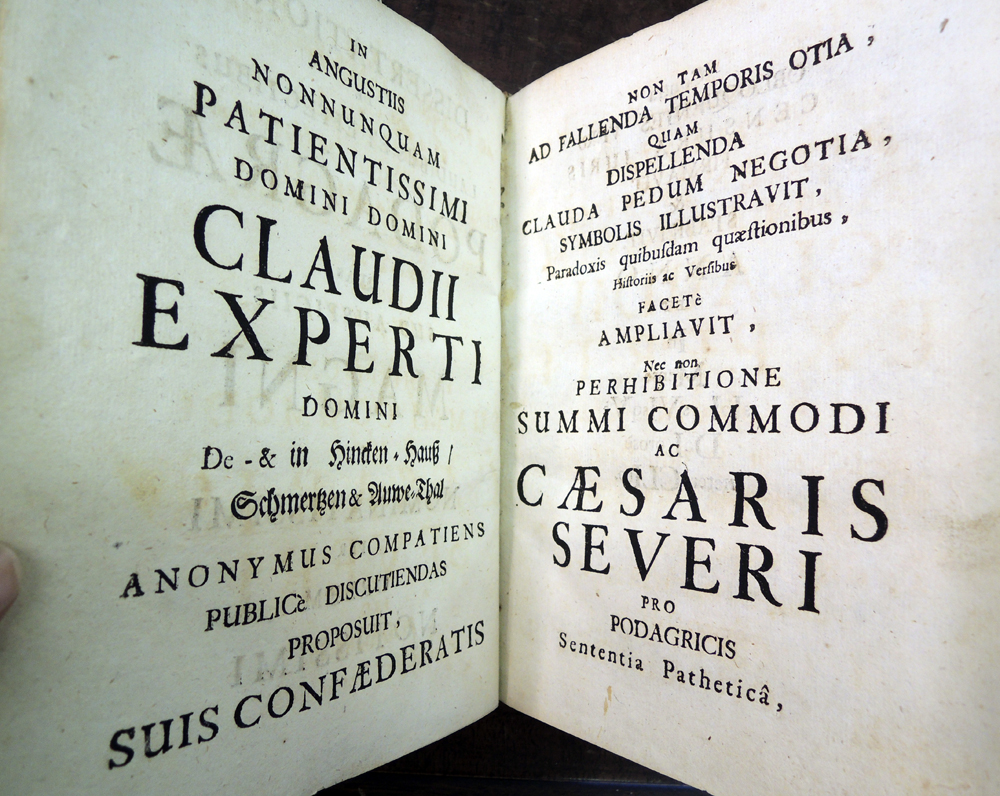
[Dedicated] to the difficulties, sometimes, of the most patient Lord Claudius Expertus, Lord of and in Limping-House, the Valley of Ashes and Pains, his anonymous fellow-sufferer sets forth [for public distribution] to his allies.

dissertationes3
dissertationes4Not so much to beguile leisure time, as to dispel the lame troubles of the feet, he has illustrated with emblems, with questions paradoxical to sane people, enlarged humorously with stories and verses, and not without the testimony of that most pleasant person, Caesar Severus, for the pathetic sentence to cases of gout.

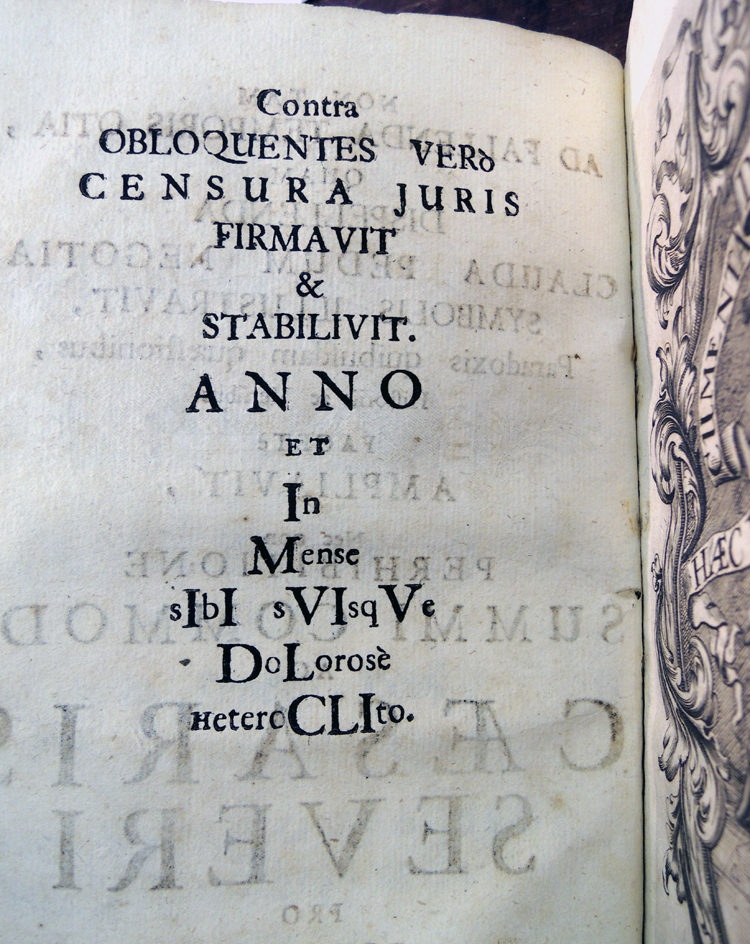
Against interrupters assuredly the censorship of the law has strengthened and established it. In the year [1715].”

The date is a beautiful chronogram (time writing) in which the letters are also the numbers of the date: In Mense sIbI sVIsqVe DoLorosè hetero CLIto = IMIIVIVDLCLI =  MDCLLVVIIIII = 1715

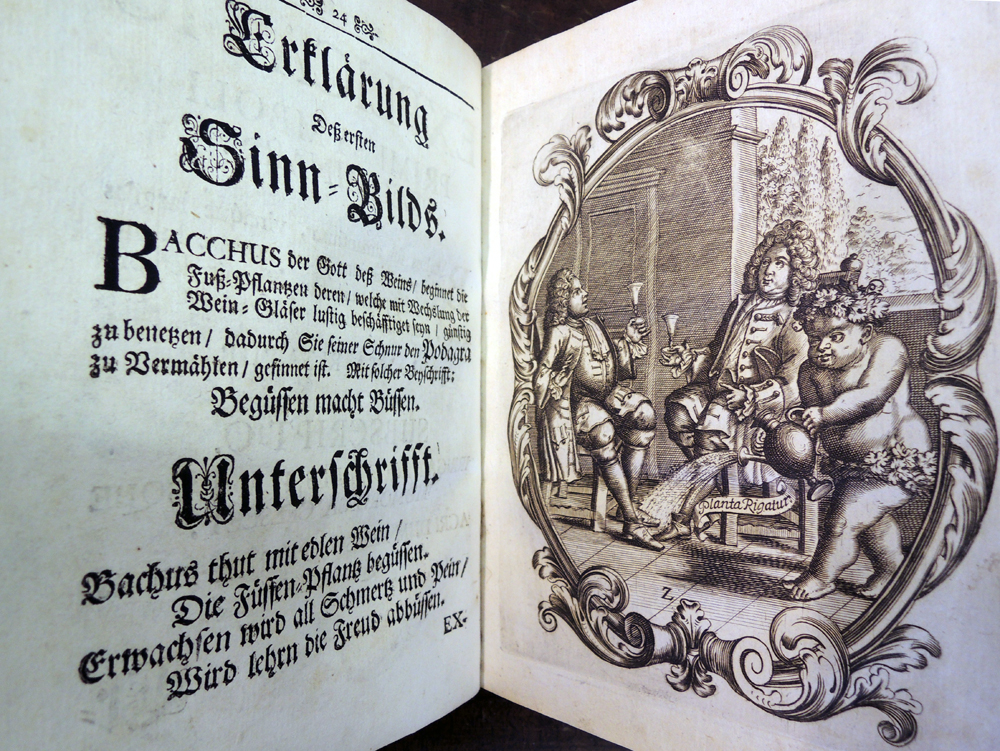
dissertationes5The first of the satirical emblems is signed by the Austrian artist Johann Georg Guttwein (1678-1718), and the rest have been attributed to the same artist. In the plate above, “Bacchus, the god of wine, who begins the ‘foot-planting’ of those who are merrily occupied with exchanging wine glasses, and waters the plant favorably, so that it is inclined to be wed to his daughter-in-law, gout.” With this postscript: Drinking leads to repentance. Note the inscription in the print: Planta Rigatur=The plant is watered.

dissertationes11

The emblem below is inscribed: “Inde genus durum sumus experiensque laborum / et documenta damus qua simus origine nati.” The text comes from Ovid’s Metamorphosis: “The earthy part, however, wet with moisture, turned to flesh; what was solid and inflexible mutated to bone; the veins stayed veins; and quickly, through the power of the gods, stones the man threw took on the shapes of men, and women were remade from those thrown by the woman. So the toughness of our race, our ability to endure hard labour, and the proof we give of the source from which we are sprung.”

dissertationes7

Dissertationes de laudibus et effectibus podagrae quas sub auspiciis… ([Brün?]: no publisher, [1715]). Illustrated by Johann Georg Gutwein. Graphic Arts Collection GAX 2014- in process


Members of the gout club are congratulated in a proclamation folded into the back of the volume, signed with names that sound like expressions of pain, such as Mr. Ouch:

dissertationes12

Nancy Holt, 1938-2014

holt ransack1
holt ransack3
holt ransack4American Land Art artist Nancy Holt, recently celebrated in the Princeton University Art Museum’s exhibition New Jersey as Non-Site, died Saturday, February 8, 2014, at the age of 75. Holt delivered a keynote lecture at Princeton last October, speaking about the site-specific work she created in New Jersey both alone and alongside her late husband Robert Smithson.

Holt was born in Massachusetts but spent much of her childhood in Clifton, N.J. In recent years, she has lived in Galisteo, New Mexico. Her work was the subject of a retrospective, Nancy Holt: Sightlines, organized by Columbia University in 2011, which traveled to the Santa Fe Arts Institute, the Utah Museum of Fine Arts and her alma mater, Tufts University, among other venues.

In a 2012 interview with Alastair Sooke, Holt spoke of visiting the American West for the first time with Smithson and the artist Michael Heizer. “I got off the plane in Las Vegas – the airport was out in the desert – and I remember feeling that my inner world and the outer world were one,” said Holt. “It was very powerful. I just felt connected to the place – as if the desert had been within me right along.”

When asked if she would call the experience an epiphany, she replied, “I don’t like that word, but it was a moment that changed me. I never was the same again. And my work evolved out of this central experience.”

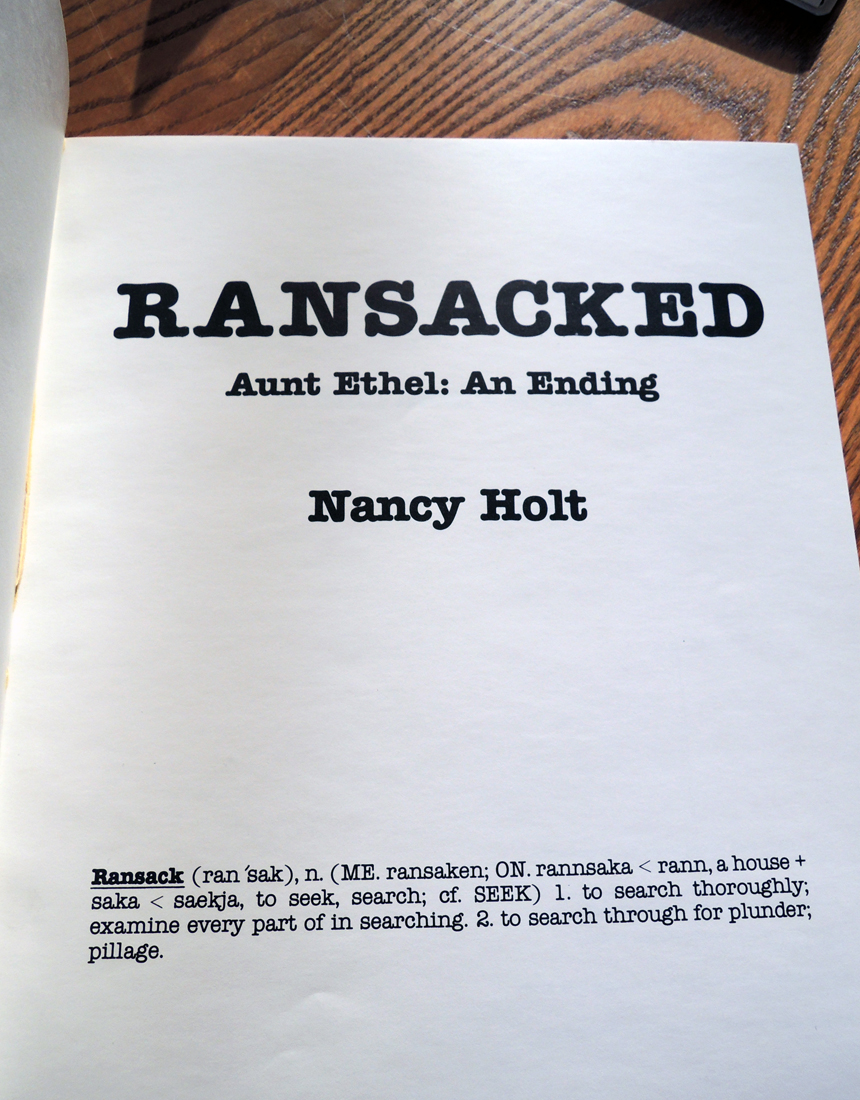
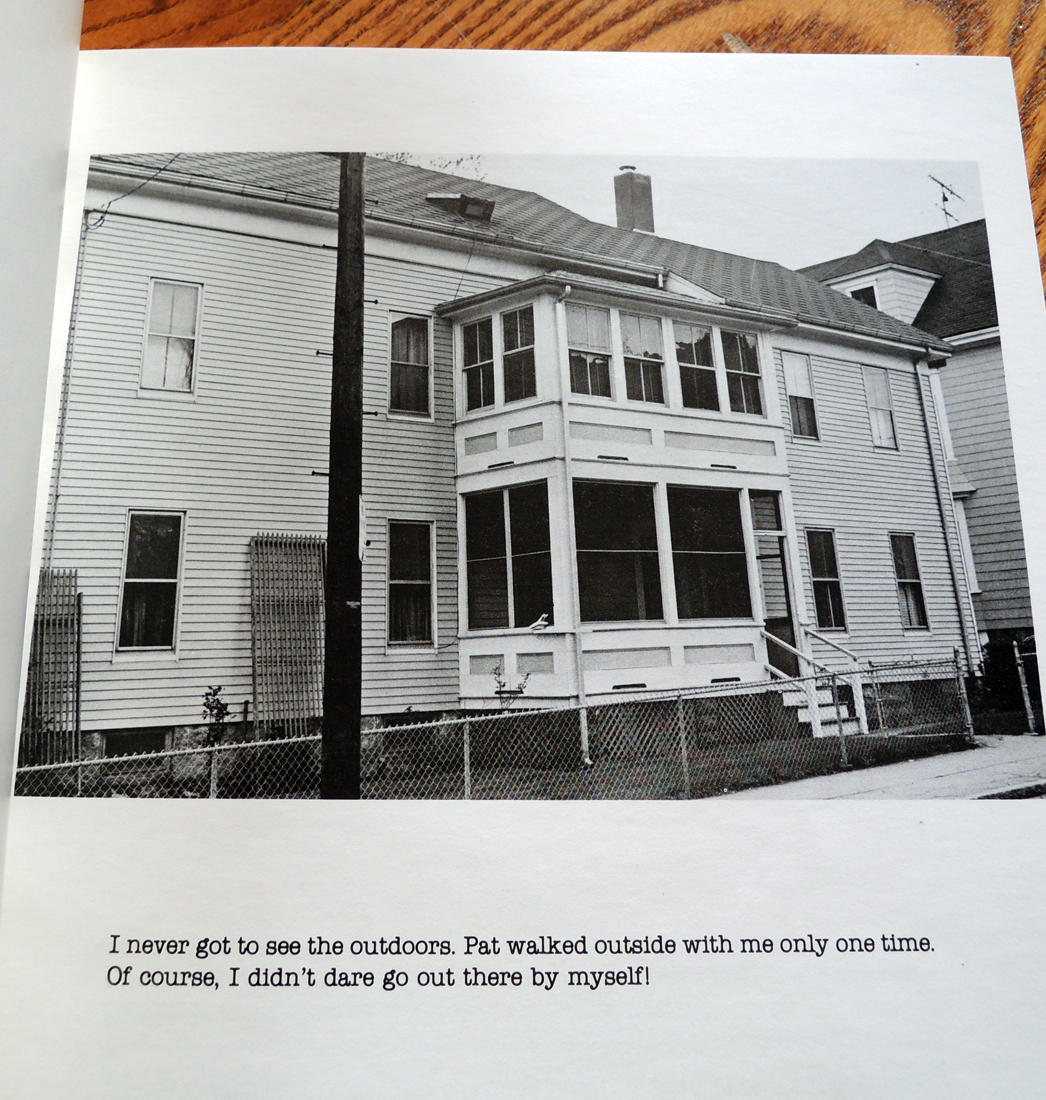
The Graphic Arts Collection holds one of her early artists’ books, which was a remembrance of her Aunt Ethel. Nancy Holt (1938-2014), Ransacked: Aunt Ethel: an ending (New York: J: N. Jacobson & Son, Inc, 1980). Graphic Arts Collection (GAX) Oversize 2006-0095Q

holt ransck2

Roget’s other work

language of mathematics8
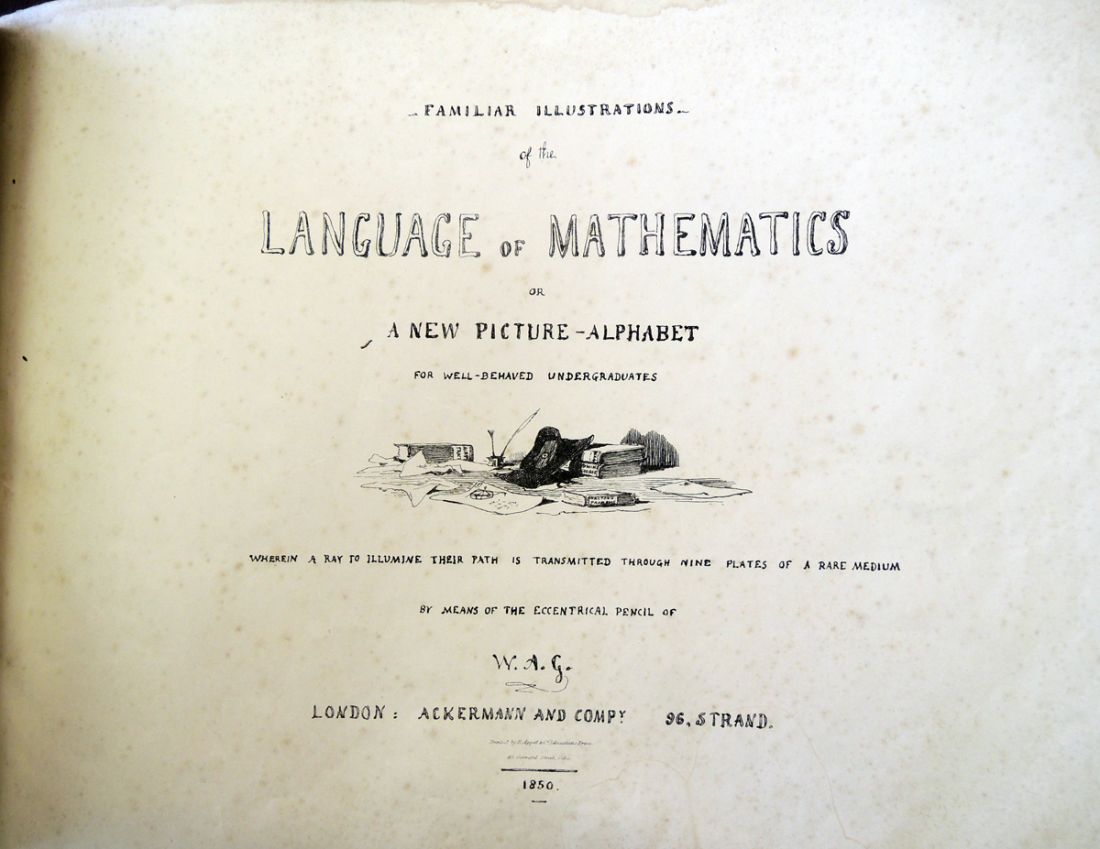
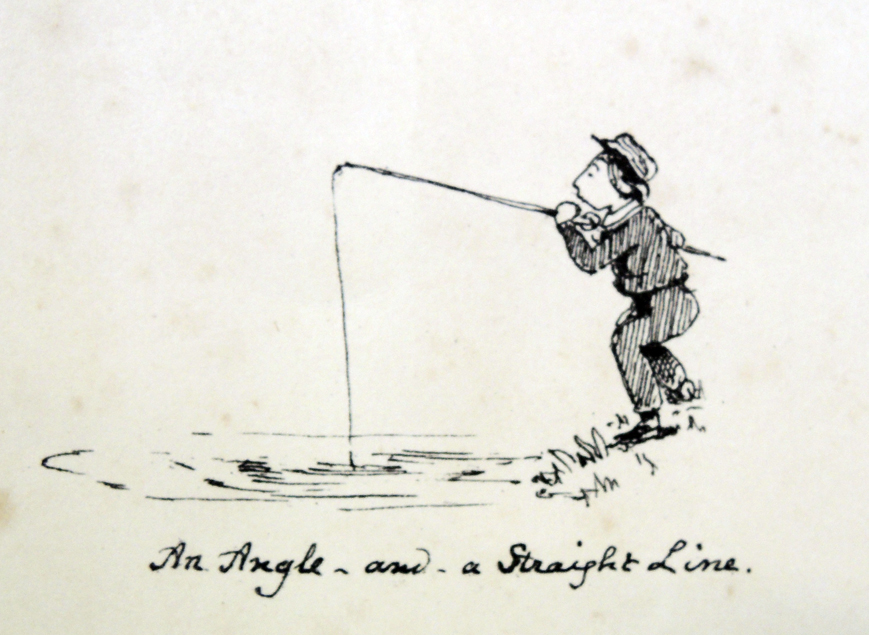
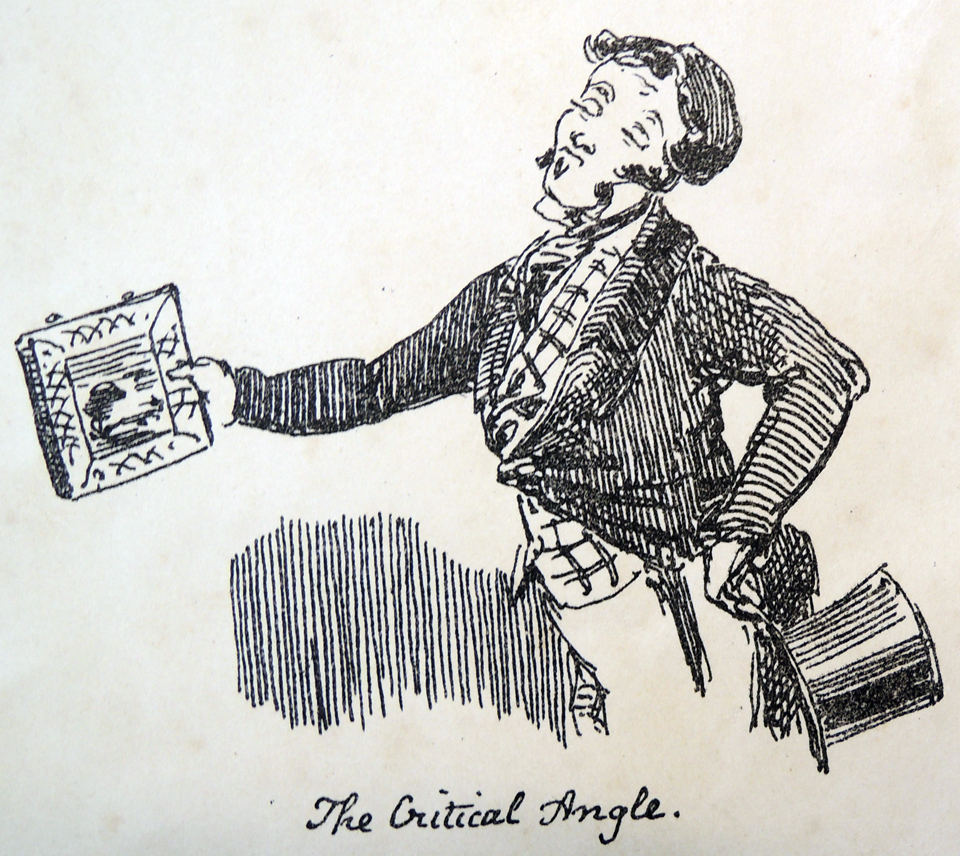
language of mathematics1John Lewis Roget (1828-1908), Familiar Illustrations of the Language of Mathematics or a New
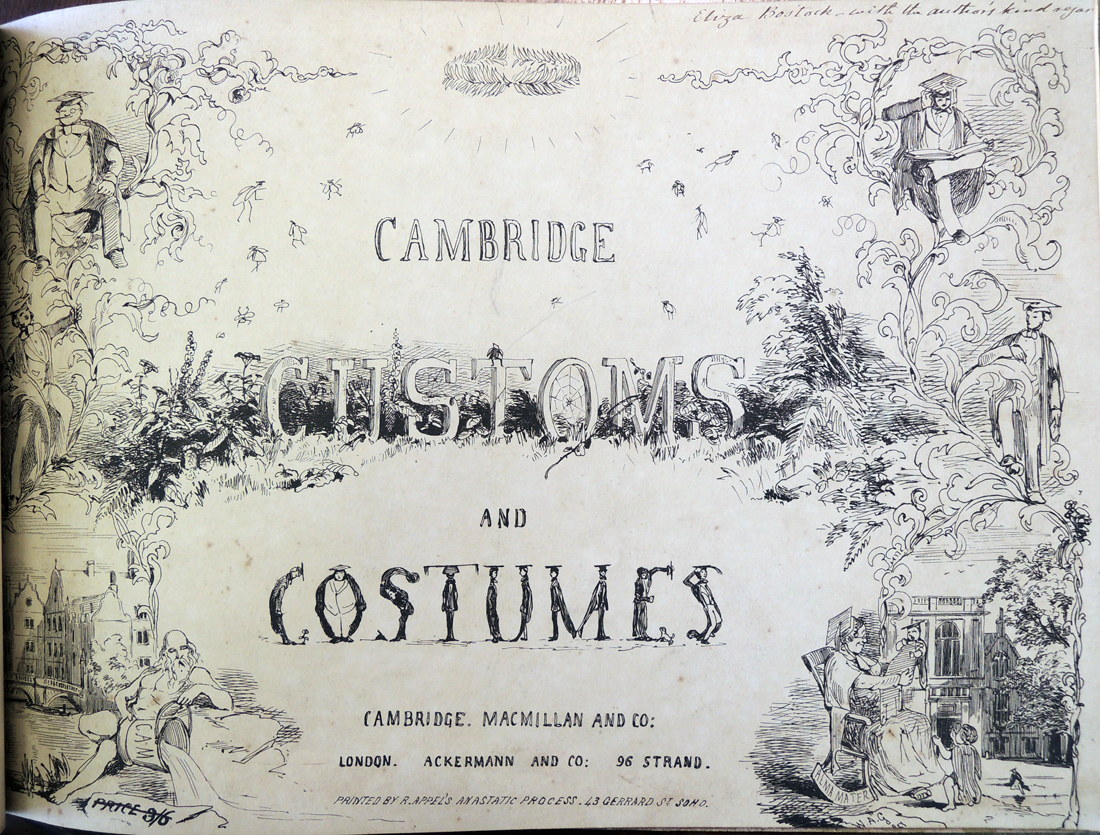
Picture-Alphabet for Well-Behaved Undergraduates; Wherein a Ray to Illuminate their Path is Transmitted through Nine Plates of a Rare Medium by Means of the Eccentrical Pencil of W.A.G. [pseud.] (London: Ackermann, 1850). Bound together with Cambridge Customs and Costumes (London: Ackermann and Company, 1851). Graphic Arts Collection GAX 2014- in process
language of mathematics4
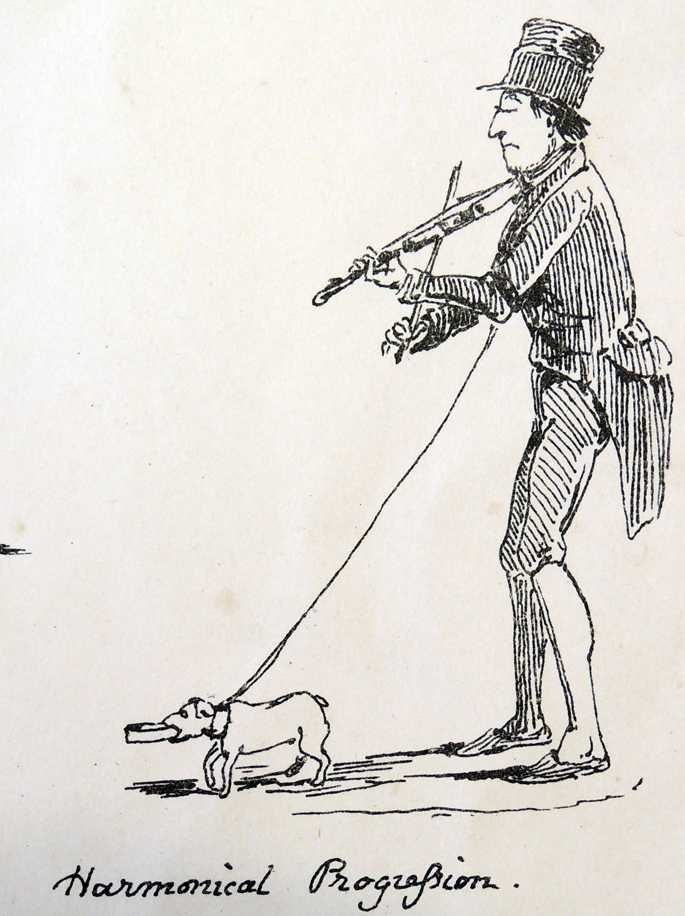
John Roget was the only son of Peter Mark Roget (1779-1869), the lexicographer best known for publishing the Thesaurus of English Words and Phrases (Roget’s Thesaurus) in 1852. Although John trained for the bar and worked together with his father on editions of the Thesaurus, his aptitude for painting and drawing was the primary focus of his life.

He become the Historian of the Royal Society of Painters and Watercolours and published several volumes of humorous sketches with academic puns. Two of these have recently been acquired by the Graphic Arts Collection.

Roget was joined in these publications by the very young Arthur George Witherby, a journalist, editor and part-time caricaturist who used the pen name W.A.G. and later drew for Vanity Fair.
language of mathematics2

Beyond the sketches themselves, these volumes present some of the earliest examples of anastastic printing, a technique often used to reproduce drawings and fine art etchings. By the mid-19th century, Rudolph Ackermann and many British publishers had their illustrative plates printed by Rudolph Appel & Company’s Anastastic Press in Ipswich.

language of mathematics6This was a metal (usually zinc) relief process probably developed by Charles d’Aiguebelle who earned a silver medal at the Exposition of 1834 for his “transports sur pierre d’impression anciennes.”

Luis Nadeau speculates that the first book with anastatic illustrations may be Sketches Printed at the Second Hampstead Conversazione February 2nd, 1846. Princeton University Library’s earliest example is John William Hewett’s 1849 Early Wood Carving . . . printed at Appel’s Anastatic Press (Marquand NK9744.E97 H48 1849). The books drawn by John Roget follow closely in 1850 and 1851, with excellent examples of anastatic printing to reproduce pen drawings.

See also: John Lewis Roget (1828-1908), A History of the ’Old Water-Colour’ Society (London, New York: Longmans, Green and co., 1891). Graphic Arts Collection (GA) Rowlandson 887
language of mathematics3
language of mathematics7

Enveloppe-moi

Messager, Enveloppe-moi 1
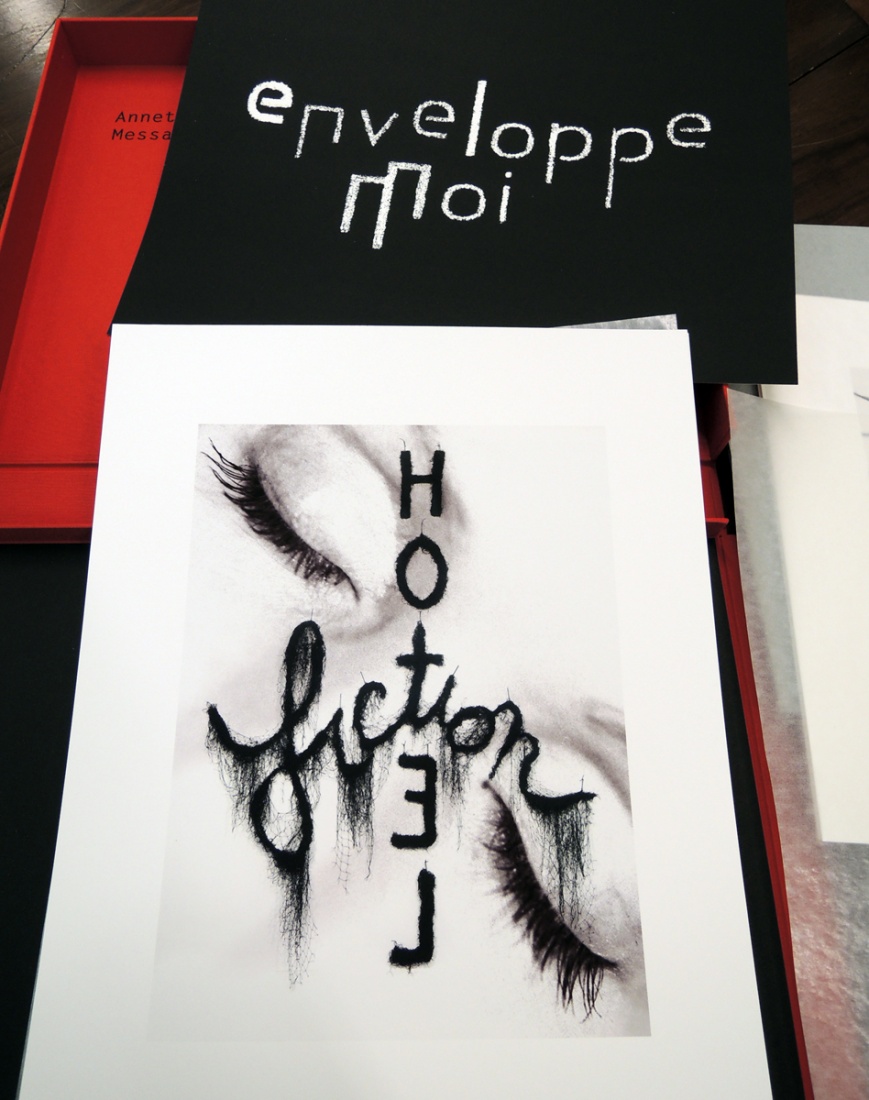
Annette Messager and Jean-Philippe Toussaint, Enveloppe-moi (New York: Museum of Modern Art Library Council, 2013). Graphic Arts Collection GAX 2014- in process.

messager, enveloppe-moi 6According to the Museum of Modern Art Library prospectus, “Enveloppe-moi, by Annette Messager, is the ninth in a series of artists’ books and editions published by the Library Council of The Museum of Modern Art. This edition, conceived by the artist in Paris, comes to readers as something found deep in a closet or tucked under a bed, ready to be opened and brought back to light. Within separate enclosures, a handmade box contains a postcard correspondence between the artist and the writer/artist Jean-Philippe Toussaint; a letter and a photograph by Toussaint; and 10 photographic collages by Messager.

These contents could be souvenirs of an intensely imagined or experienced liaison, or clues to a secret history. The whole represents an enigmatic visual and verbal exchange.

Over a five-month period in 2011, Messager sent 15 postcards, one by one, to Toussaint. Each card features on one side a black-and-white photograph of one of Messager’s preexisting artworks. The collection of postcard images presents a series of indefinite but suggestive images of obscured words, phrases, nets, and body parts.

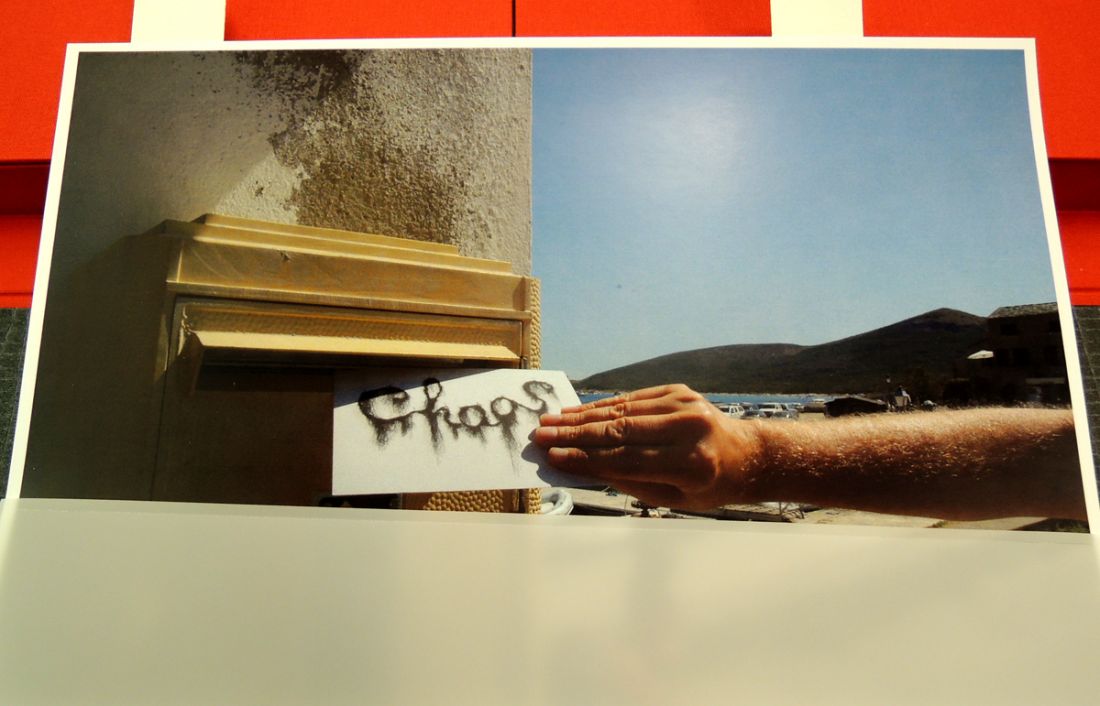
Toussaint replied on the blank side of each postcard with brief comments, questions, and literary references apparently prompted by the image on the opposite side. A second set of postcards reproduces the same artworks by Messager, but these postcards are still blank on the writer’s side. At the artist’s suggestion, readers may consider sending the “virgin” postcards (as the artist describes them) to another correspondent.messager, enveloppe-moi 4Messager also created 10 collages that visualize emotionally heightened (and slightly ironic) scenes from a fictional romance: a manipulated photograph of the artist as a young woman, trapped in a spider web–like net; a B-movie style image of a lover’s kiss; a playful, doodled image of a floating mermaid overlaying a dark installation of photographic memorabilia; artworks based on graphic representations of words such as “chaos,” “trouble,” and “hotel-fiction”—these and other images are as fantastical and personally expressive as the postcard exchange is restrained. They deepen the mystery of the boxed collection. Nine of these collages appear as pigment prints in the center well of the portfolio.

A tenth collage is stamped onto the cloth-covered box. (This collage also appears as an additional pigment print in the deluxe edition.) Messager’s handwritten title, Enveloppe-moi, is silkscreened on the red cloth covers of the box and two additional images are silkscreened on the inside of the box.messager, enveloppe-moi 5

During the five-month correspondence, Toussaint photographed the quotidian circumstances in which he wrote on his side of Messager’s postcards. One digitally printed photograph by Toussaint, of a hand dropping a postcard into a postbox slot, can be found within a slot on an inside flap of the portfolio, along with Toussaint’s digitally printed letter.

Messager designed the portfolio and its contents in collaboration with the co-editors, the designer, and the binder. This edition was edited and produced for The Museum of Modern Art’s Library Council by May Castleberry, Editor, Contemporary Editions, MoMA Library Council, and Céline Fribourg, Founder, éditions Take5, Geneva. The text, the colophon page, and one of the title images were designed by Philippe Apeloig in Paris. The portfolio was bound and assembled by Mark Tomlinson in Easthampton, Massachusetts, using silkscreen-printed and stamped covers created by Annette Messager. “messager, enveloppe-moi 3


Modern Editions Press

pamphlet series1

Texas-born Kathleen Tankersley Young (1903–1933) published a book of Ten Poems in 1930 and along with Charles Henri Ford and Parker Tyler, was one of the founding publishers of the literary magazine Blues: a Magazine of New Rhymes (1929-1930). When the magazine closed, she planned a new journal under her own imprint, Modern Editions Press, published by Eric Naul.

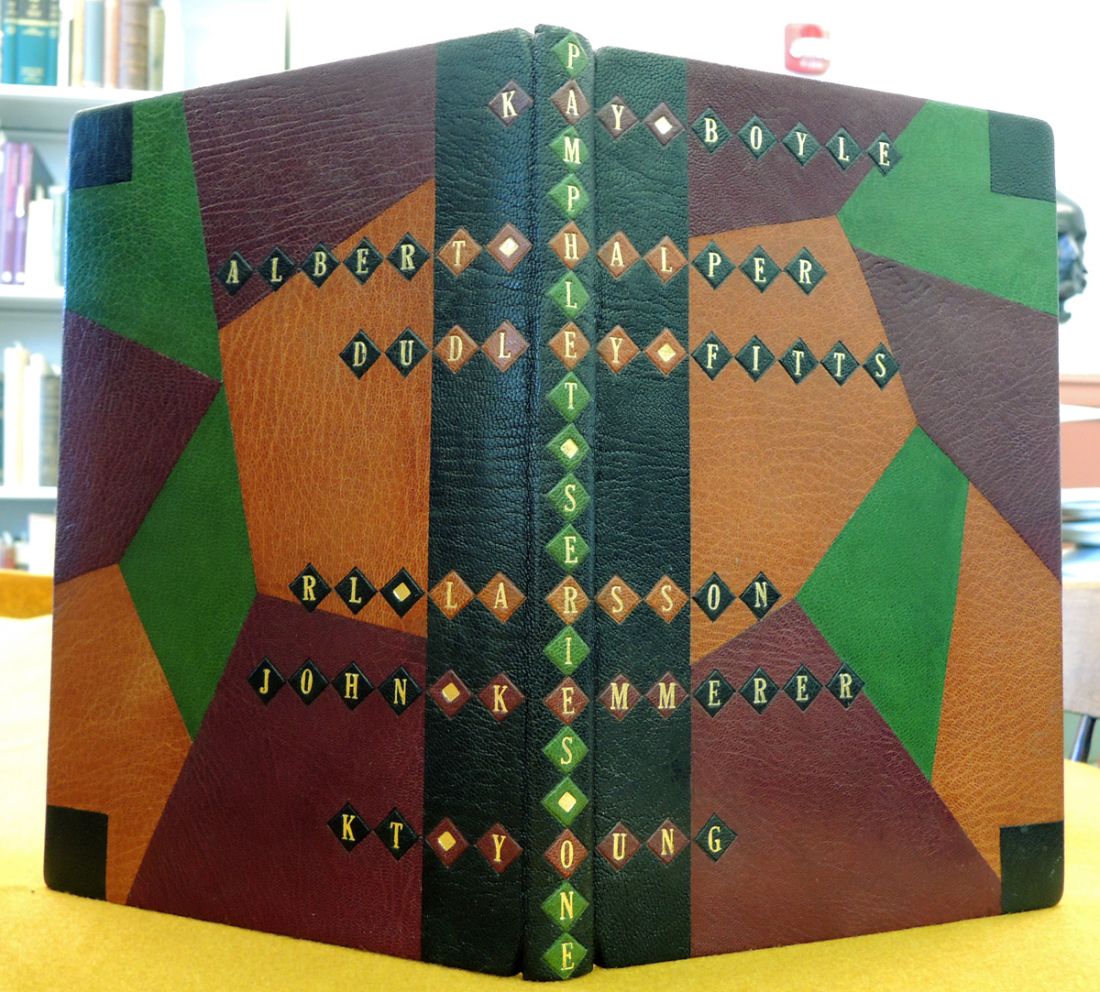
pamphlet series 4The Modern Editions Press published two series of pamphlets in 1932 and 1933. The first series consisted of six pamphlets which included short stories, poems, and a statement. The six contributors were Dudley Fitts, John Kemmerer, Kay Boyle, Kathleen Tankersley Young, Raymond Ellsworth Larsson and Albert Halper; each one illustrated with an original print by a contemporary American artist.

The second and final series of eight pamphlets was published in 1933 and consisted exclusively of work by poets, including Lincoln Kirstein, Horace Gregory, Raymond Ellsworth Larsson, Kathleen Tankersley Young, Paul Bowles, Laurence Vail, Carl Rakosi, and Bob Brown. Each was published in an edition of 100 copies.

Young traveled to Mexico in 1933 where she died unexpectedly and the Modern Press Editions came to an end. The Graphic Arts Collection is fortunate to have acquired the first series of pamphlets, bound together in this colorful unsigned binding.
pamphlet series 2       pamphlet series 3

Dudley Fitts (1903-1968), Two Poems  ([New York]: Modern Editions Press, 1932). Frontispiece by Stuart Davis (1892-1964).

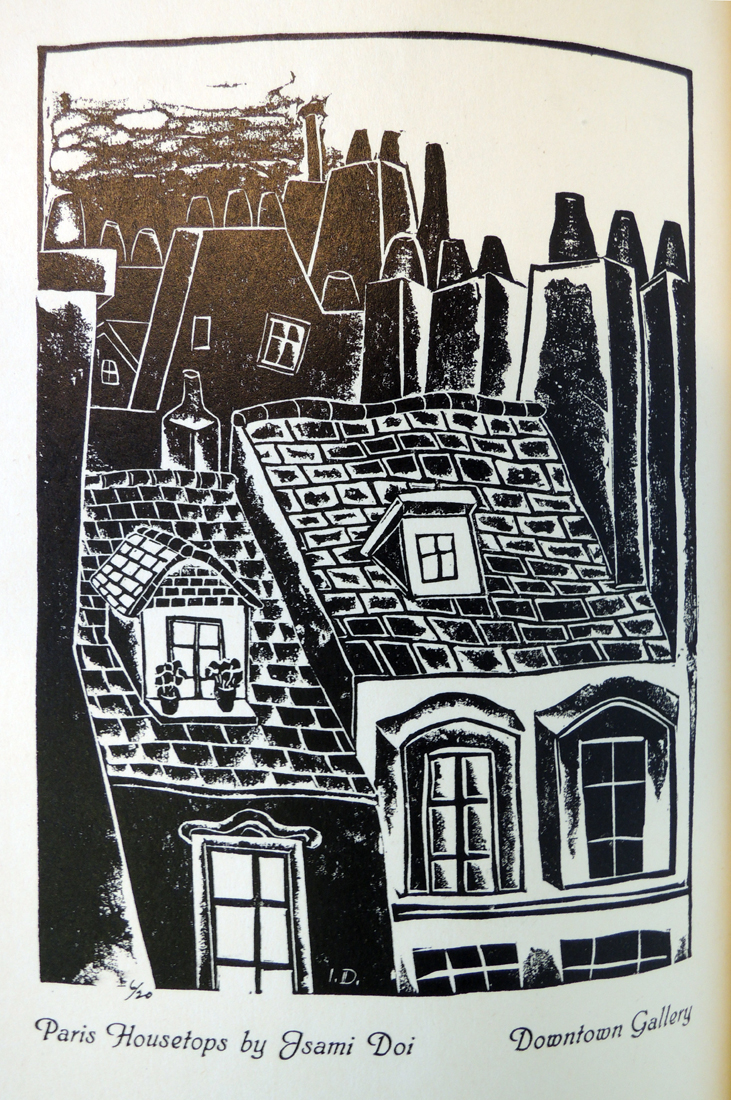
John Kemmerer, Two Stories ([New York]: Modern Editions Press, 1932). Frontispiece by Isami Doi (1983-1965).

Kay Boyle (1902-1992), A Statement ([New York]: Modern Editions Press, 1932). Frontispiece by Max Weber (1881-1961).

Kathleen Tankersley Young (1903-1933), The Pepper Trees: a cycle of three stories ([New York]: Modern Editions Press, 1932). Frontispiece by Stefan Hirsch.

Raymond Ellsworth Larsson (1901- ), Wherefore: Peace ([New York]: Modern Editions Press, 1932). Frontispiece by Jane Berlandino.

Albert Halper (1904-1984), Chicago Side-Show ([New York]: Modern Editions Press, 1932). Frontispiece by Louis Lozowick (1892-1973).

The Printers’ International Specimen Exchange

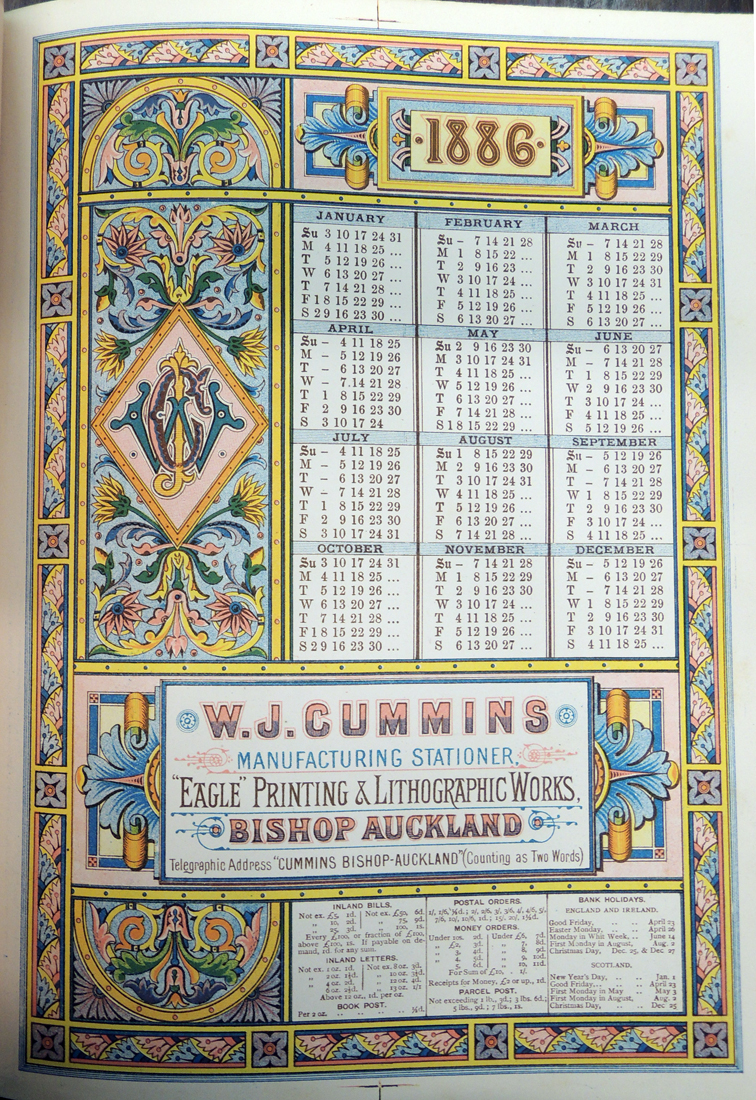
specimen exchange6

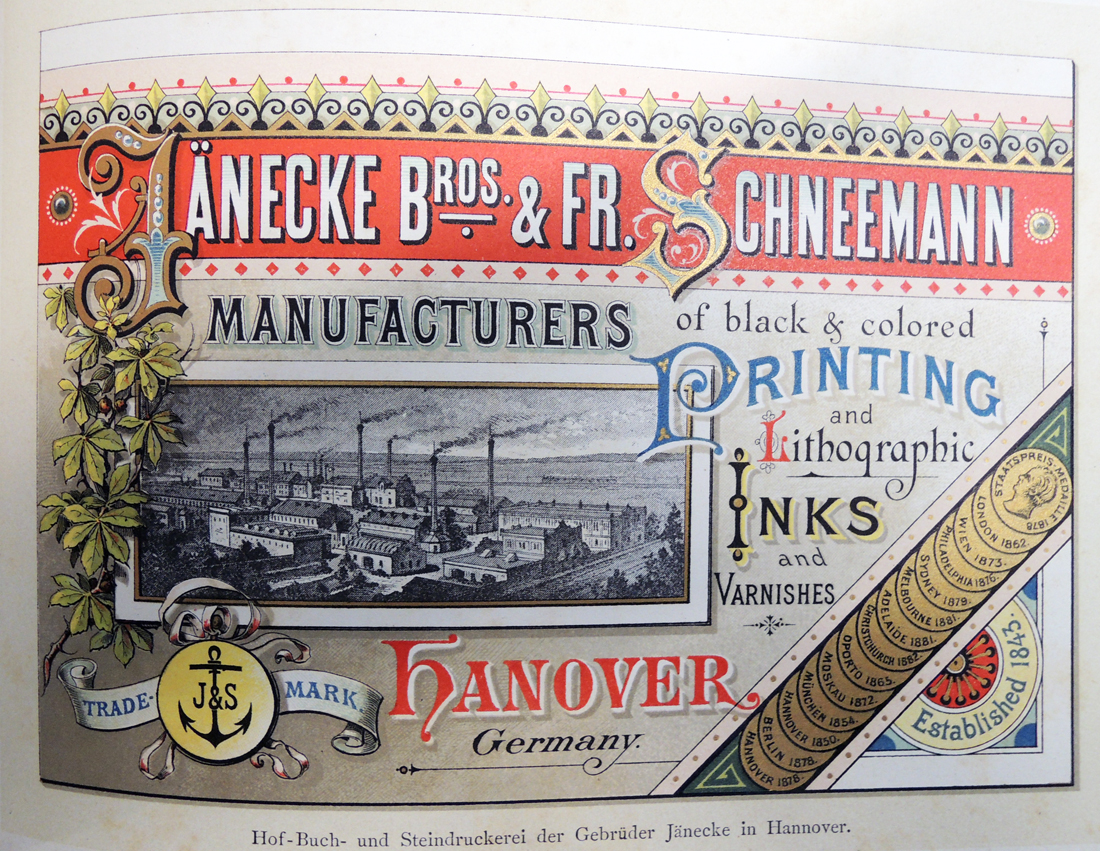
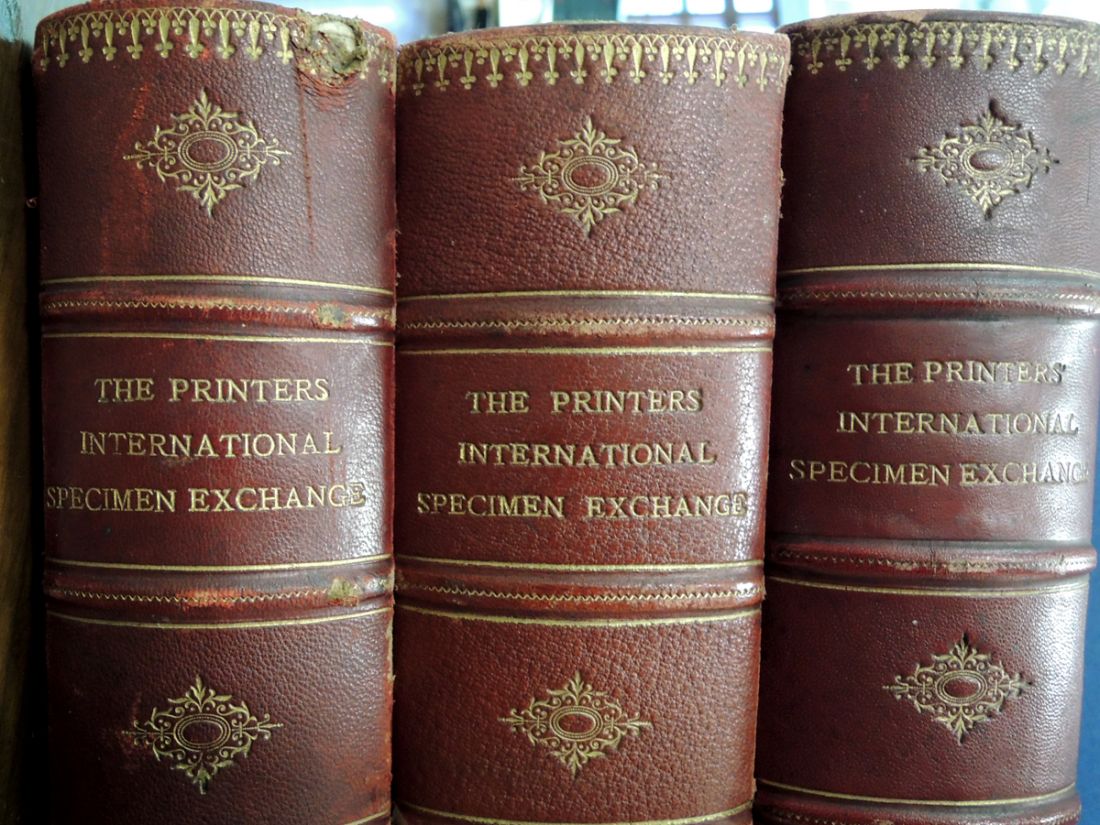
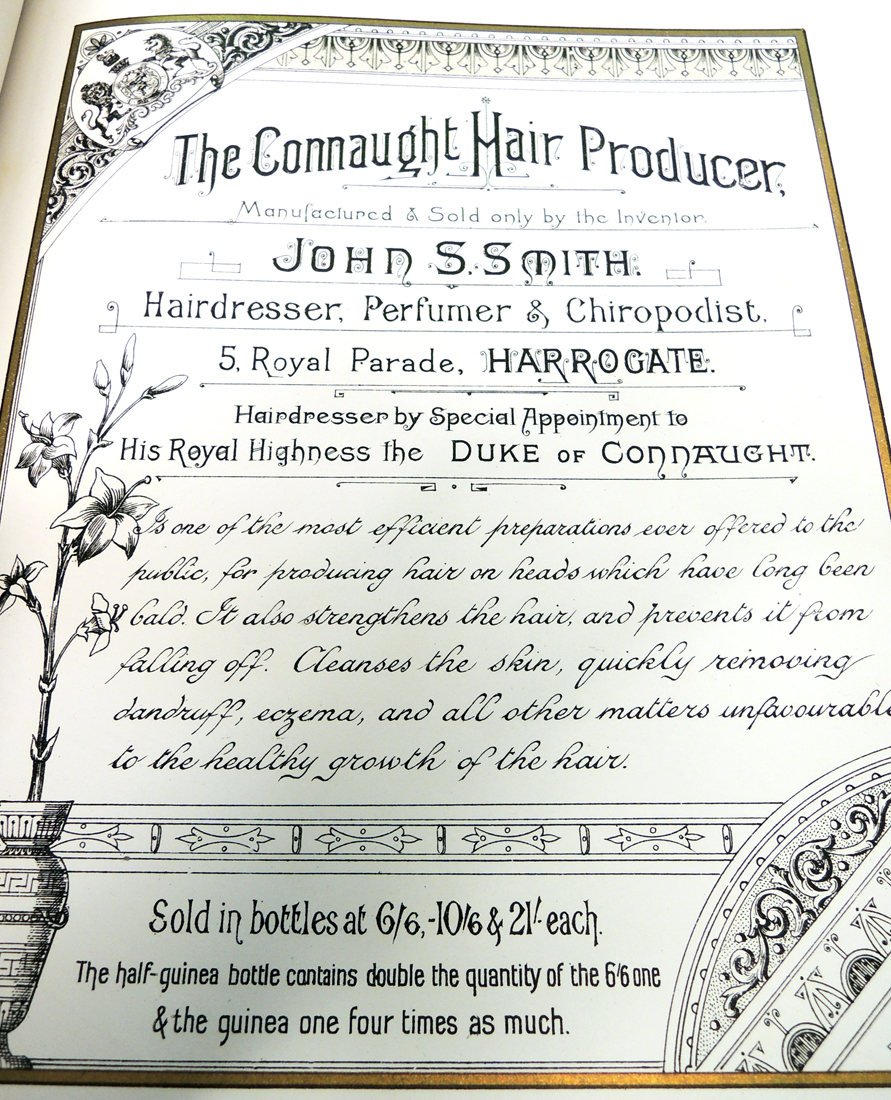
The Printers’ International Specimen Exchange (London: Office of the Paper and printing trades journal, 1880-1898). Graphic Arts Collection, vol. 5 (1884), 7 (1886), and 8 (1887).

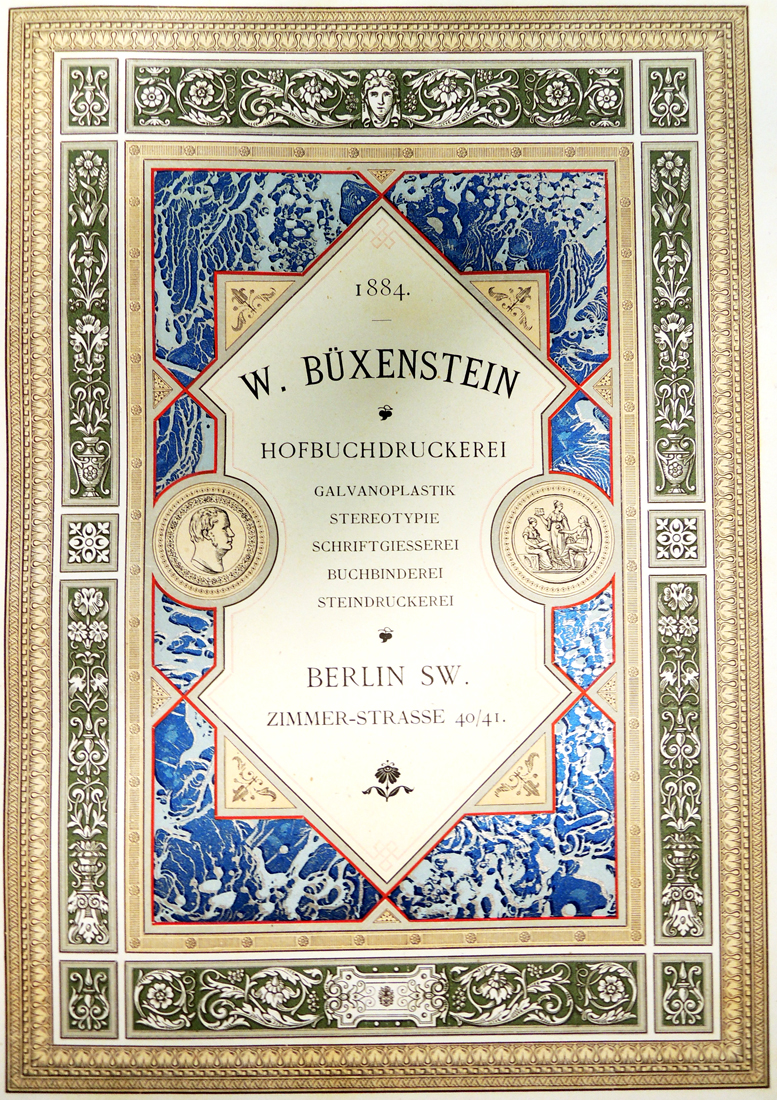
Thanks to Matthew Young’s recent study, we now know that the Printers’ International Specimen Exchange was founded in 1880, first and foremost as a means to encourage British printers to improve their technical and artistic skills, seen as lagging behind their American and European counterparts. It came to be a far more international  than its originators imagined, encompassing 16 volumes with the work of more than 1,000 printing establishments from 28 different countries.

specimen exchange1

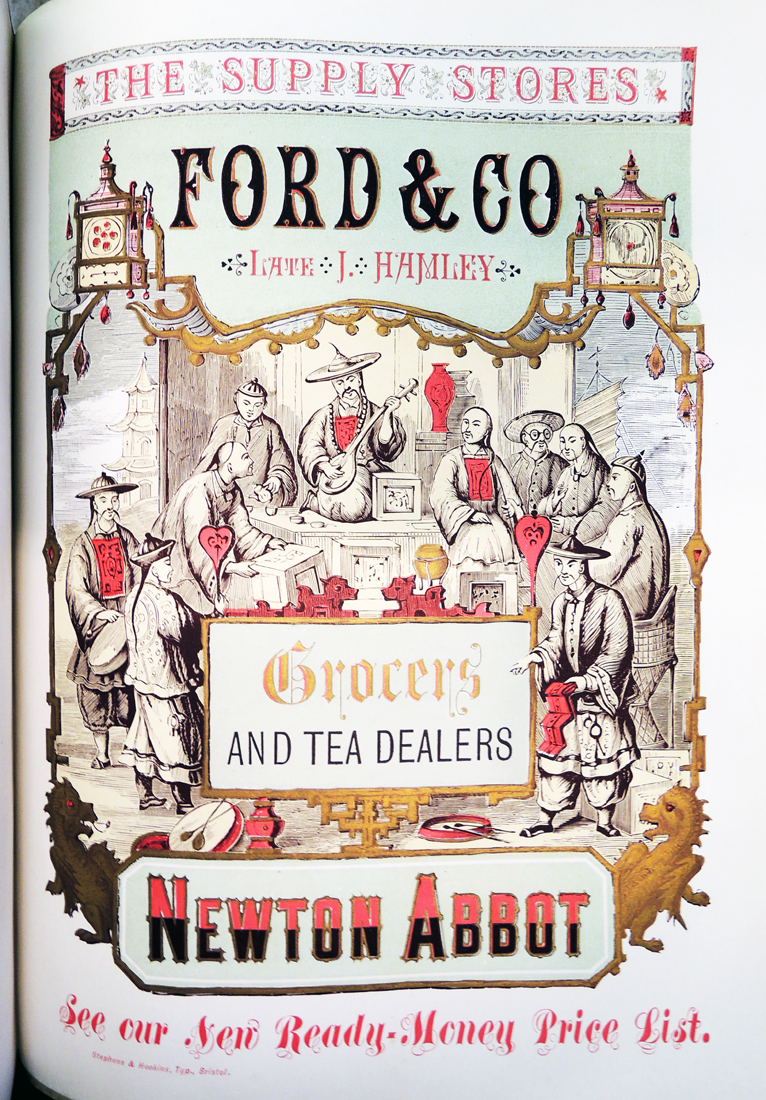
The Graphic Arts Collection recently acquired three of these rare annuals, published in editions of only a few hundred copies and meant expressly for members of the exchange. The volumes document some of the most elaborate printing from the end of the nineteenth century.

specimen exchange3                      specimen exchange2

specimen exchange4

The over-the-top decoration of these printers had both supporters and detractors. The first editor of the exchange, Andrew Tuer (1838-1900) published a letter of support from John Ruskin (1819-1900) in the first volume, “It seems to me…that a lovely field of design is open in the treatment of decorative type…not in the mere big initials in which one cannot find the letters but in the delicate and variably fantastic ornamentation of capitals and filling of blank spaces or musically-divided periods of sentences and breadths of margin.”

Theodore Low DeVinne (1828-1914), on the other hand, spoke sarcastically about these printers, noting, “what advances have we made in rule-twisting! What unknown possibilities in typography have been developed by our new race of compositors! …How it does delight us to employ a typographical gymnast who tortures brass rules and spends hours and days in experiments with borders, fancy job types, tint grounds, and flourishes!” (Historic Printing Types, a Lecture Read before the Grolier Club, Ex 0220.296.2).

Happily, we can now judge for ourselves with the acquisition of these new volumes.

specimen exchange7

See also, Matthew Young, The Rise and Fall of the Printers’ International Specimen Exchange (New Castle, DE: Oak Knoll Press, 2012). Graphic Arts RCPXG-7033164.


On Such a Full Sea

lee on such 3 lee on such 2

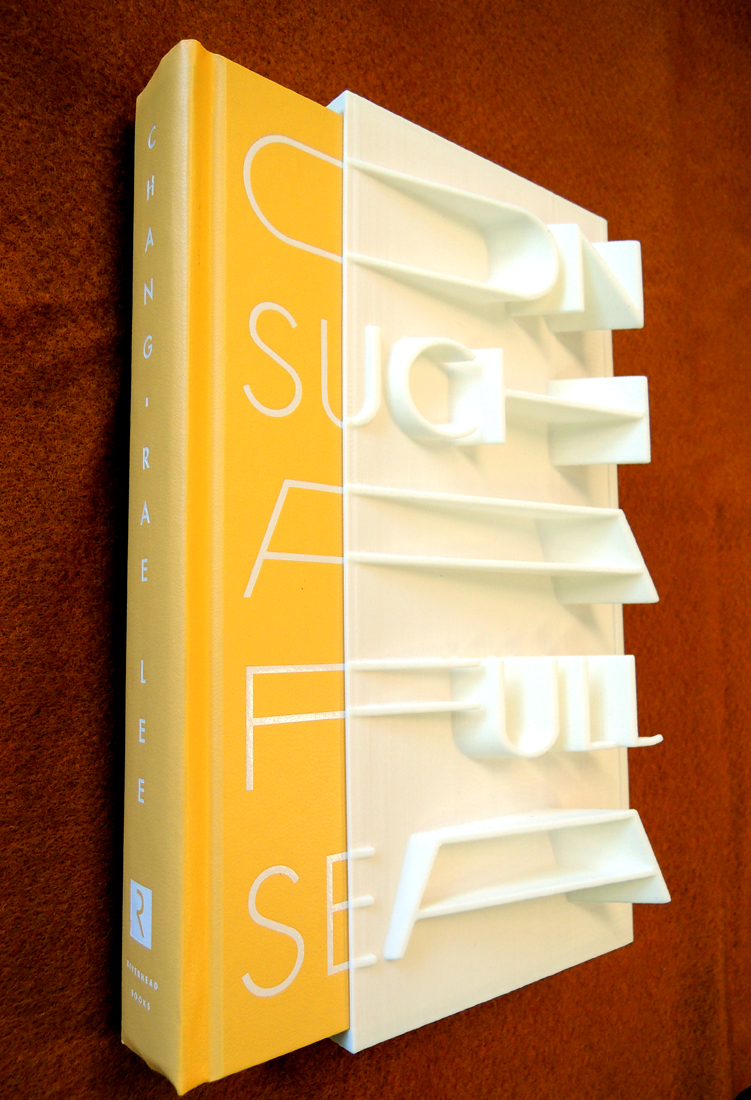
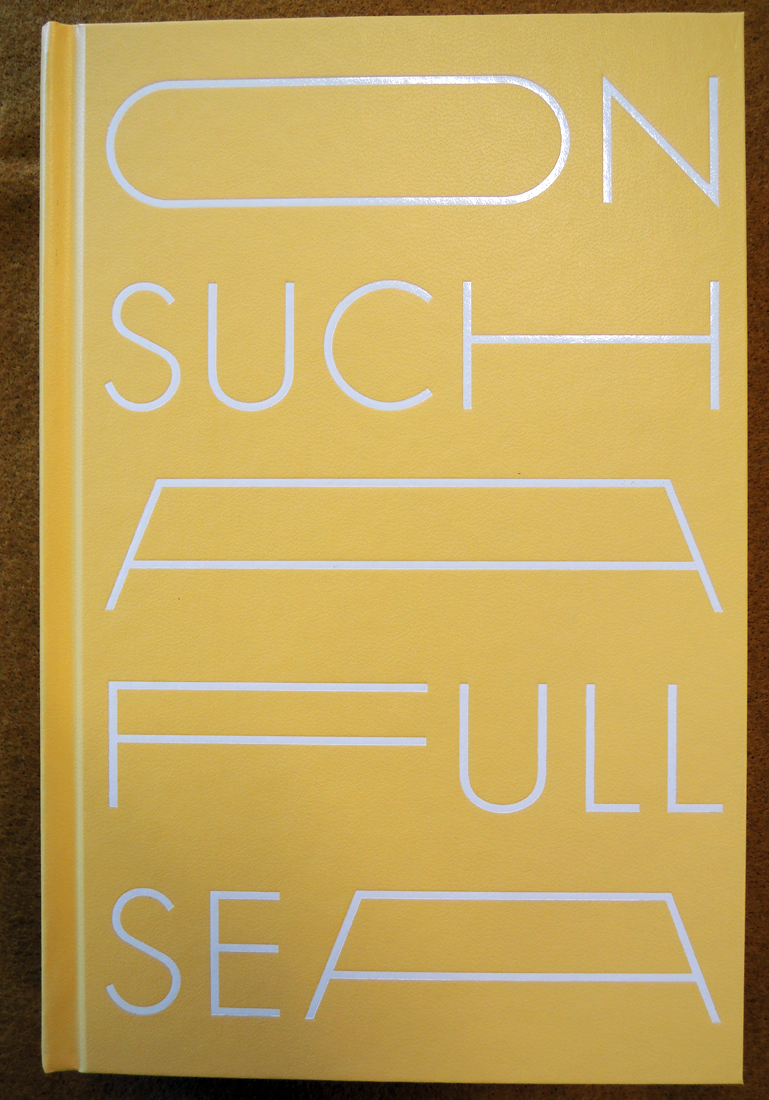
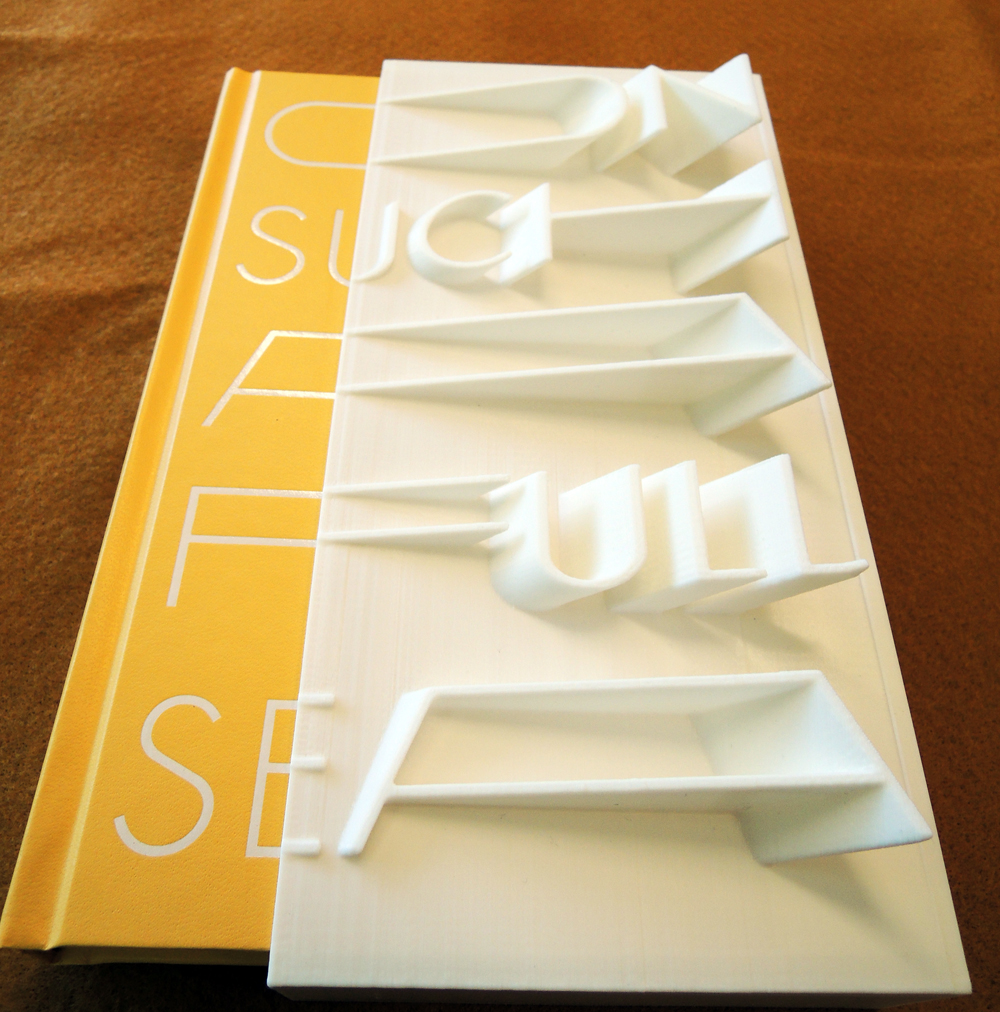
Chang-rae Lee, On Such a Full Sea (New York: Riverhead Books, 2014). Copy 471 of 500. Graphic Arts Collection 2014- in process.

When Princeton University Professor of Creative Writing Chang-rae Lee was ready to publish his fifth novel, On Such a Full Sea, a decision was made to produce a special, limited edition book in addition to the trade volume. His publisher Riverhead Books teamed up with MakerBot to create 500 copies with a 3D printed slipcase designed by  art director Helen Yentus. Fabricated on the MakerBot® Replicator® 2 Desktop 3D Printer, the extended typography was then repeated on the cloth cover and each book signed by Lee.

lee on such 4

To watch a video of Helen Yentus, the art director of Riverhead Books, talking about the design and construction of the 3D printed slipcase for Lee’s novel, click here: http://youtu.be/vfr2ARWWKHs

Lee on such1

Chang-rae Lee is the author of five novels:  Native Speaker (1995); A Gesture Life (1999); Aloft (2004); The Surrendered, which was a Finalist for the Pulitzer Prize; and On Such a Full Sea (2014). His novels have won numerous awards and citations, including the Hemingway Foundation/PEN Award, the American Book Award, the Barnes & Noble Discover Award, ALA Notable Book of the Year Award, the Anisfield-Wolf Literary Award, the Gustavus Myers Outstanding Book Award, and the NAIBA Book Award for Fiction. He has also written stories and articles for The New Yorker, The New York Times, Time (Asia), Granta, Conde Nast Traveler, Food & Wine, and many other publications.
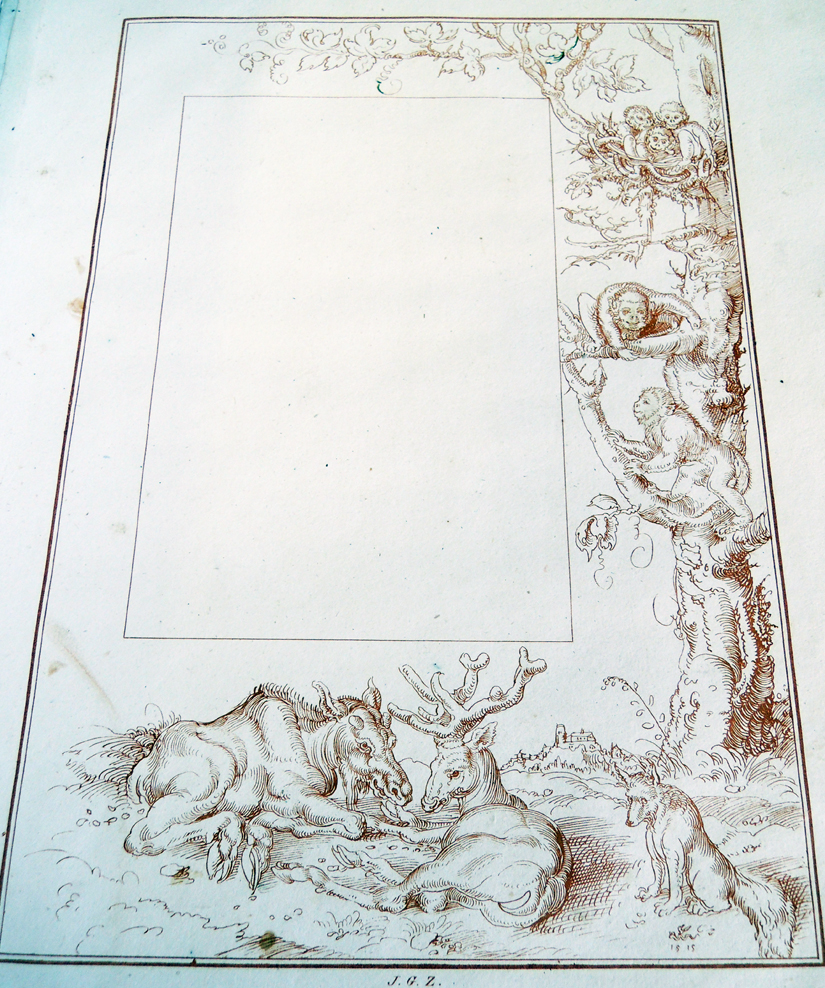
 

Lucas Cranach’s Borders for Maximilian’s Prayer Book

des aelteren lucas 5

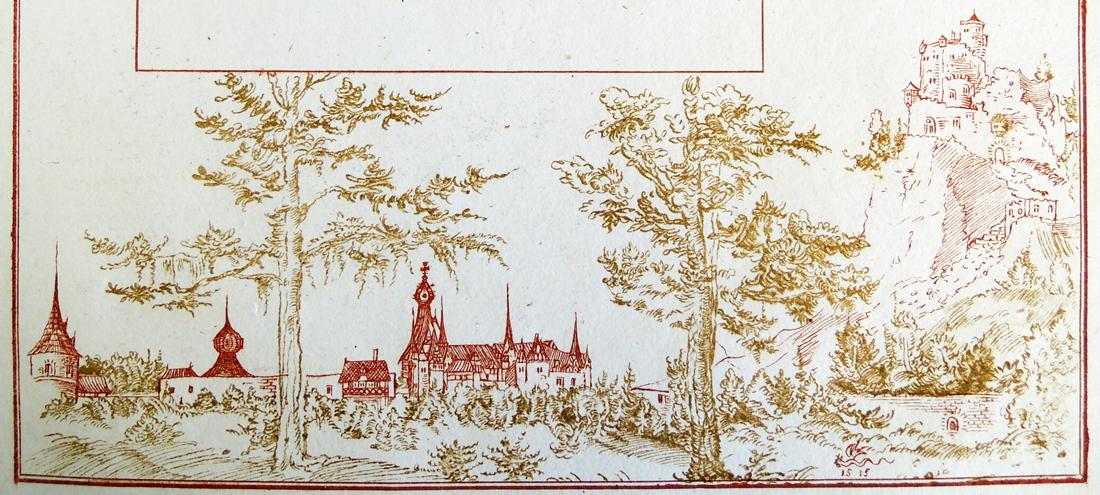
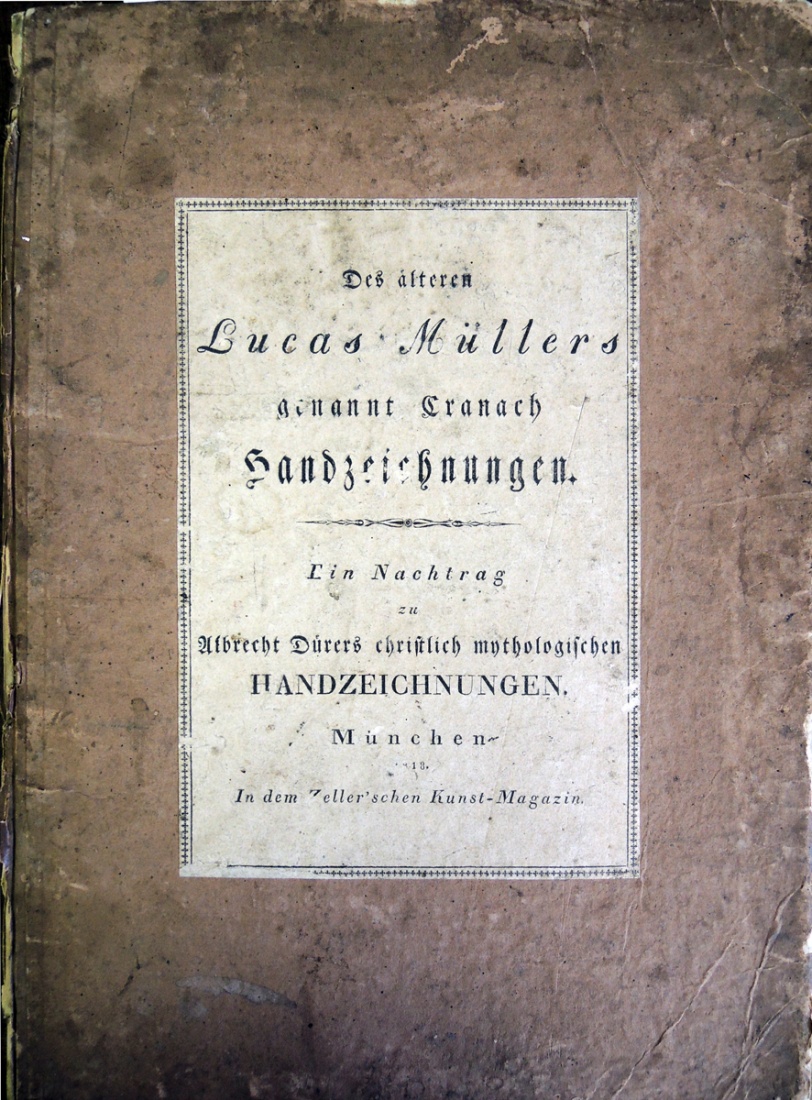
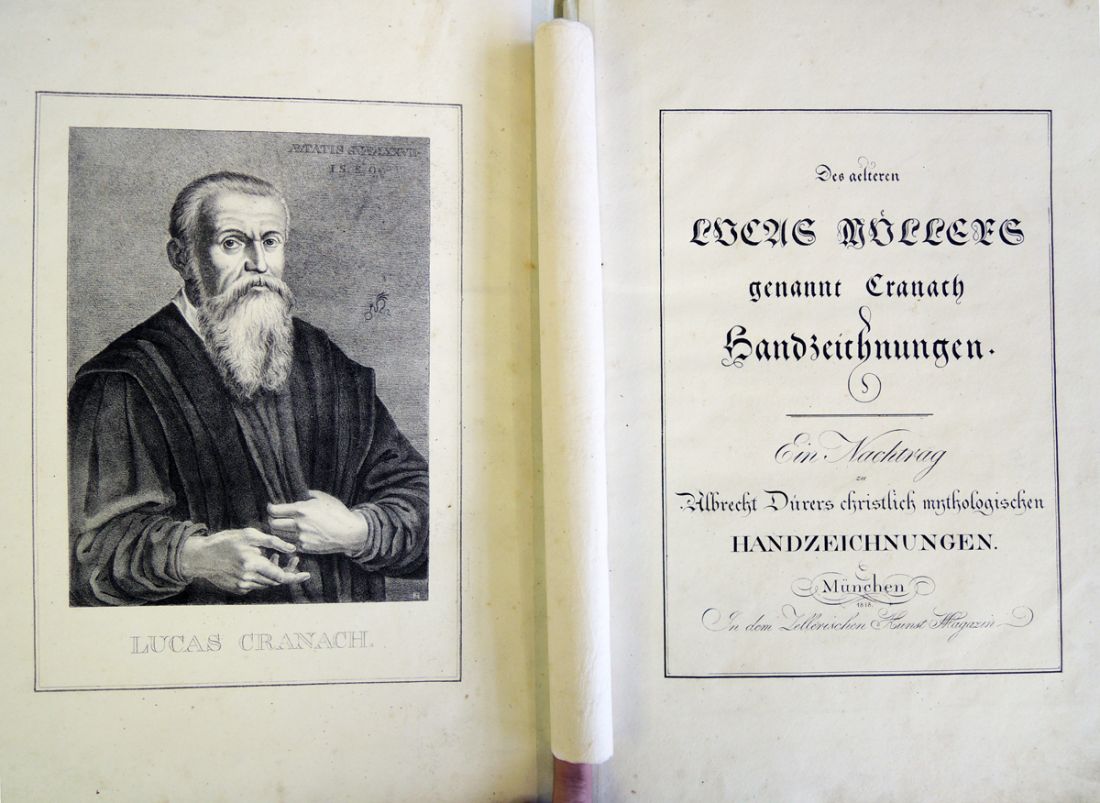
Johann Georg Zeller, editor. Des älteren Lucas Müllers genannt Cranach Handzeichnungen. Ein Nachtrag zu Albrecht Dürers christlich mythologischen Handzeichnungen (München: Zeller’schen Kunst-Magazin, 1818). Color lithographs. Graphic Arts collection GAX 2014- in process

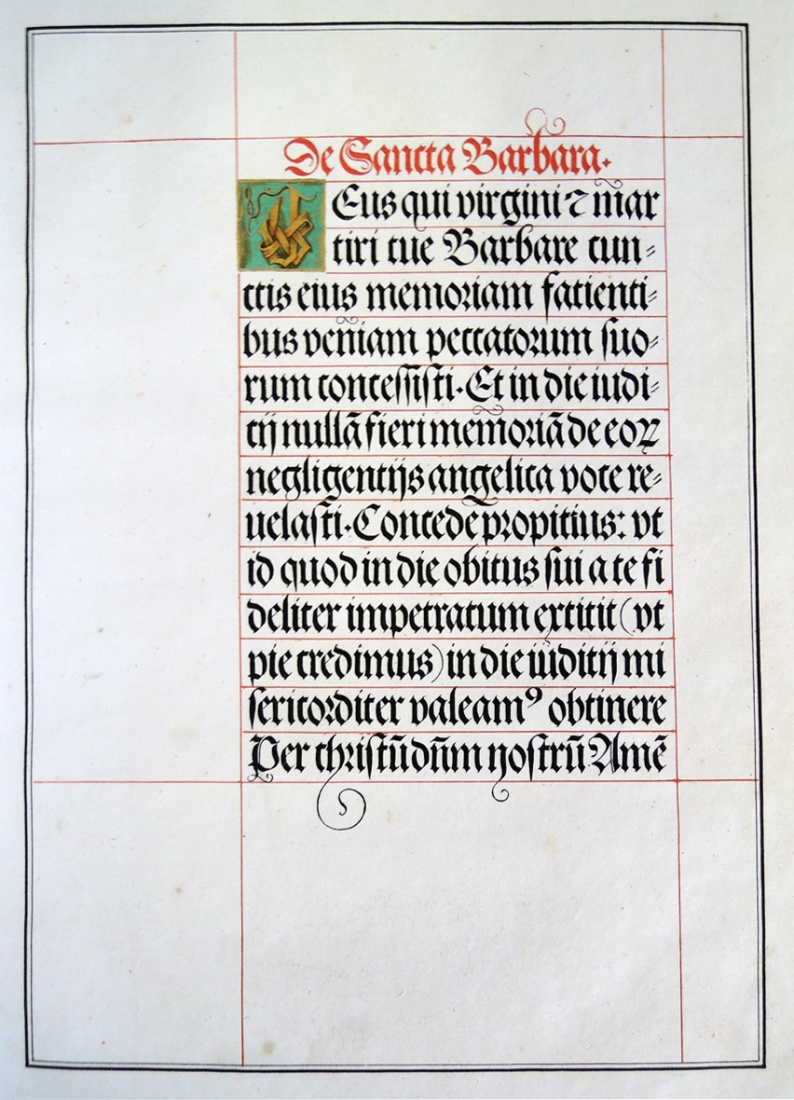
There are many 21st-century digital and 20th-century off-set reproductions of the the Book of Hours of the Emperor Maximilian the First, decorated by Albrecht Dürer (1471-1528), Lucas Cranach (1472-1553), and other artists, which was printed in 1513 by Johannes Schoensperger at Augsburg.

Early attempts at reproducing this exquisite work were rare, even at the time they were published. The Graphic Arts Collection just acquired the first and only edition of the reproductions–in the newly invented medium of lithography–of the marginal drawings by Lucas Cranach in Maximilian’s Prayer Book. Note in particular the very early use of multi-color lithographic printing.

des aelteren lucas 1
des aelteren lucas 2
des aelteren lucas 4

Graphic Arts also holds a copy of the 1808, Albrecht Dürers christlich-mythologische Handzeichnungen (GAX Oversize 2007-0749Q), and Rudolph Ackermann’s 1817 Albert Durers Designs of the Prayer Book (Oversize 2007-0027F).
des aelteren lucas 3