Category Archives: Books

books

Need a tiger? Try no. 986.

davison new specimen8

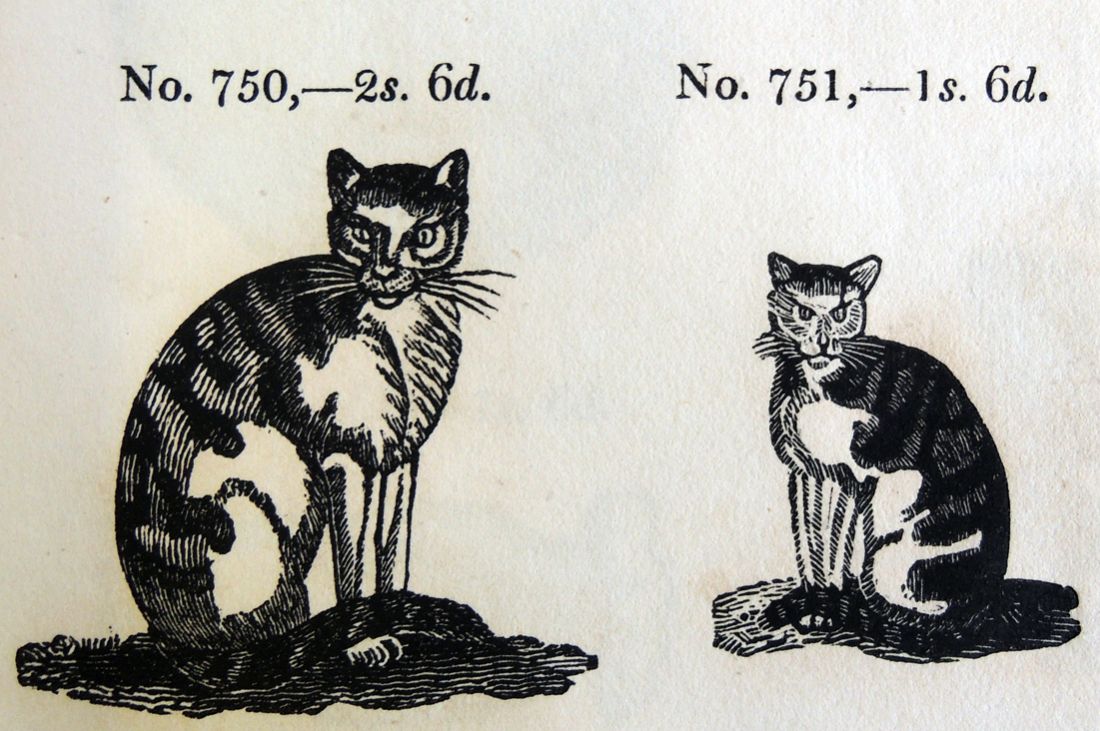
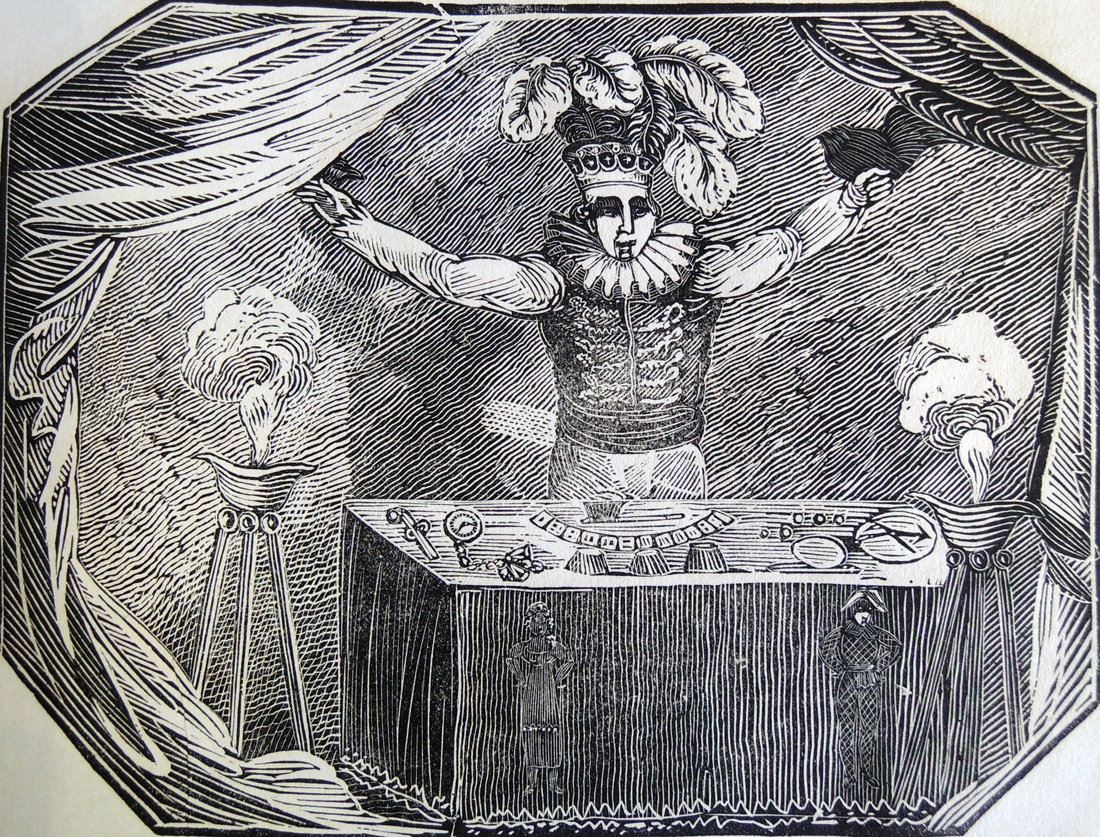
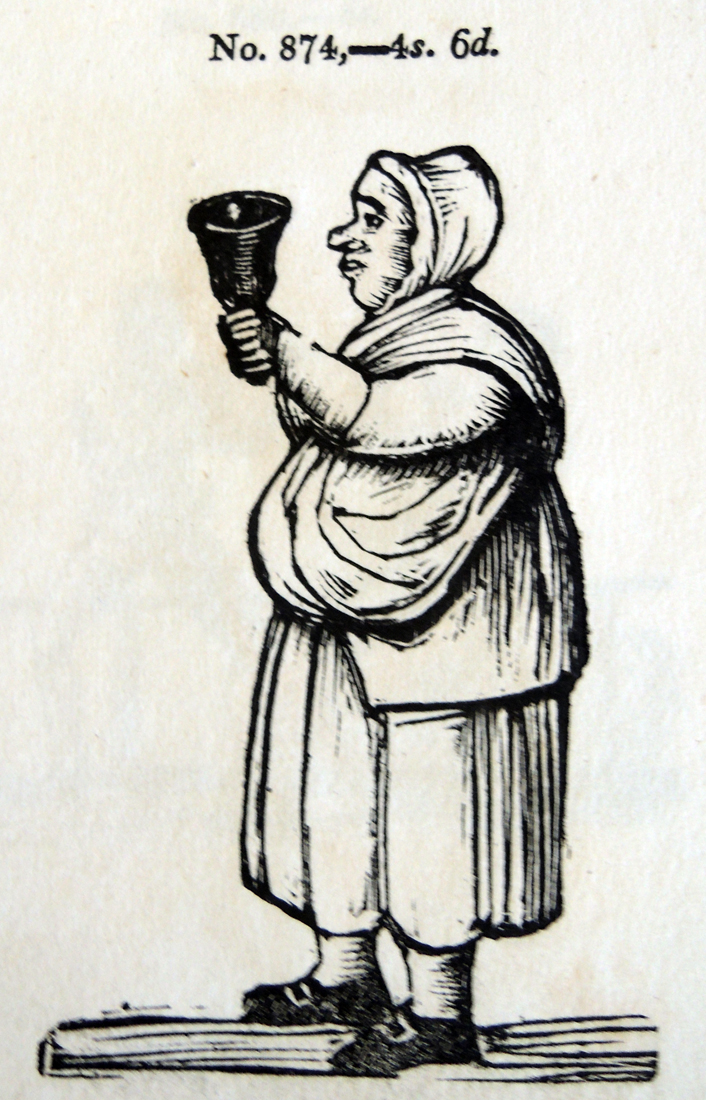
davison new specimen5The Alnwick pharmacist and printer/publisher William Davison (1781–1858) was fortunate to have the experienced printmaker Thomas Bewick (1753-1828) producing illustrations for his books. At some point, he purchased a large collection of the woodblocks engraved by Bewick and issued a book of specimens of these and others available for printing at the Davison shop.

This specimen book is not dated but was issued around 1837 and offers 1,081 impressions from wood-engraved and cast metal ornaments. Over 50 cuts illustrate literary works by Robert Burns, Beattie, Blair and Fergusson. In addition, there are birds, fish, insects, and of course, tigers.

davison new specimen4
davison new specimen2

davison new specimen7

William Davison (1781-1858), New Specimen of Cast-Metal Ornaments and Wood Types Sold by W.Davison (Alnwick: Davison, ca. 1837). Graphic Arts Collection GAX 2014-in process

davison new specimen3
davison new specimen6

Julio Cortázar and Julio Silva

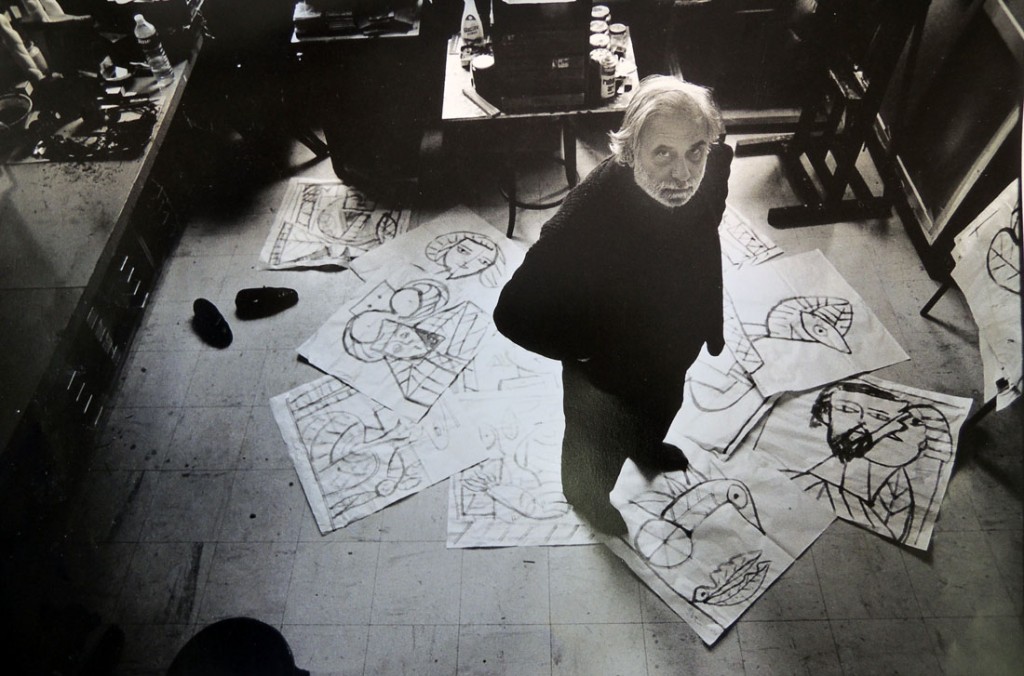
silva discours photo2

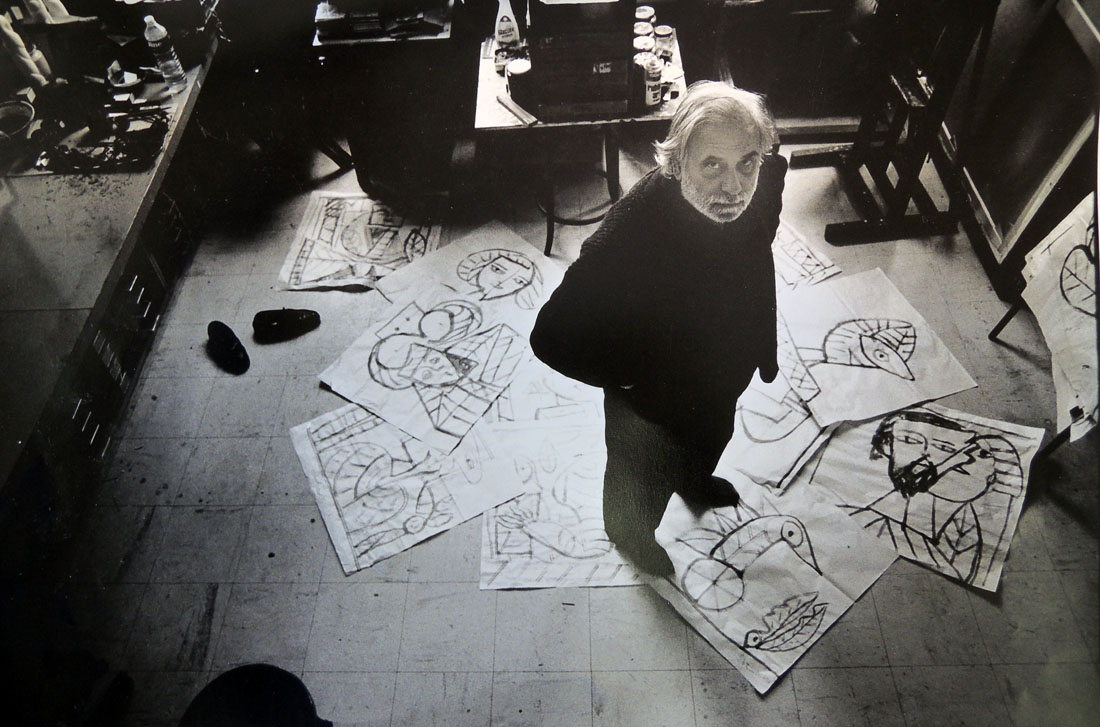
Photograph by Laure Vasconi at Silva’s workshop (Paris, 1992).

In trying to understand contemporary artists’ books, we often ask which came first, the text or the images? For one of Latin America’s most acclaimed 20th -century writers Julio Cortázar (1914-1984) and his fellow Argentine Julio Silva (born 1930), that process evolved over time.
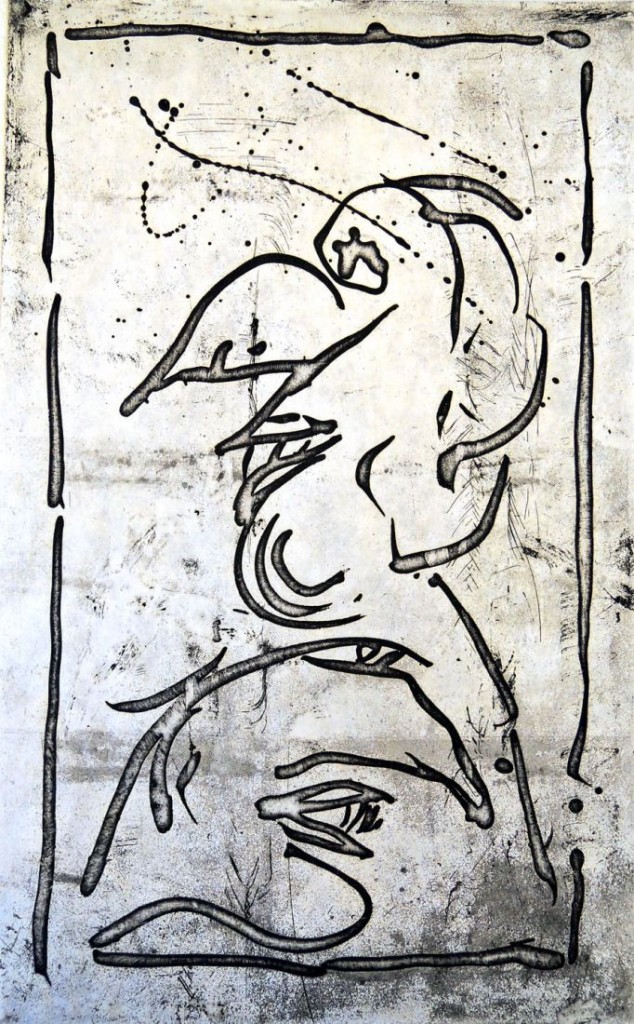
silva discours du pince gueule4

Print on Japan paper accompanying artist’s proofs of Discours du Pince-Gueule.

Chronologically, the first book that brings them together is Les Discours du Pince-Gueule, as Peter Standish notes in his book Understanding Julio Cortázar, “Not only was this the first such combination essayed by Cortázar, it was also the first of what would become many collaborative ventures with his friend….” [Peter Standish, Understanding Julio Cortázar (Univ of South Carolina Press, 2001)].  Published in Paris in 1966, the first edition of their book had a limited run of only 100 copies. This has become a very rare volume, with most libraries only collecting the 2002 edition.

It may not be obvious to those who are not fluent in French that the title is a neologism. Standish points out that Cortázar “made the Pince-nez flip down from the nose to the mouth (for which gueule is a vulgar slang word) and no doubt he also had in the back of his mind the term pince-san-rire, meaning a person with a dry humor.”
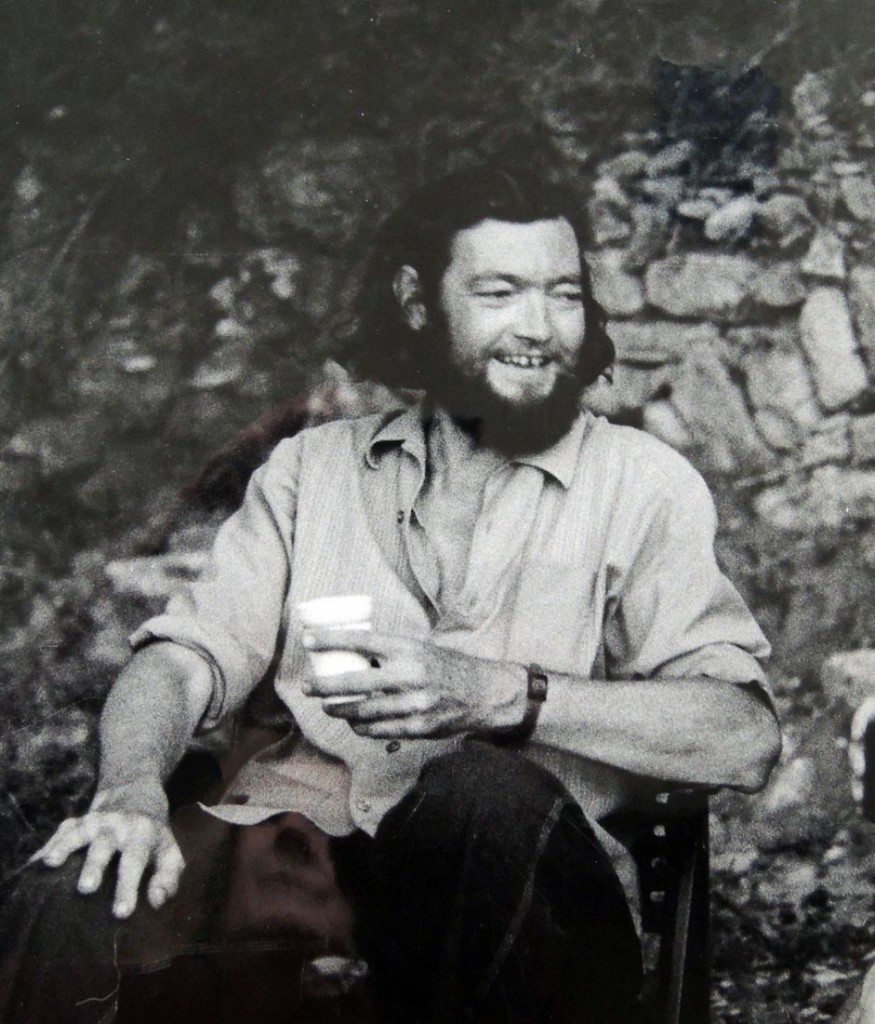
silva discours photo3

Detail of a photograph by Colette Portal (Saignon, 1979)
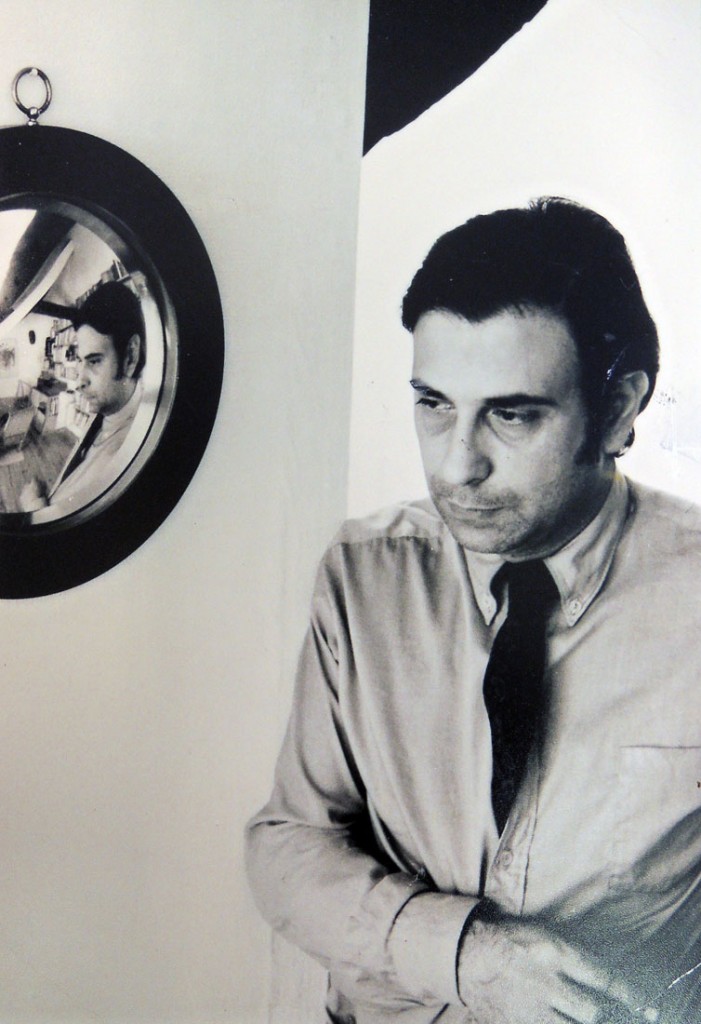
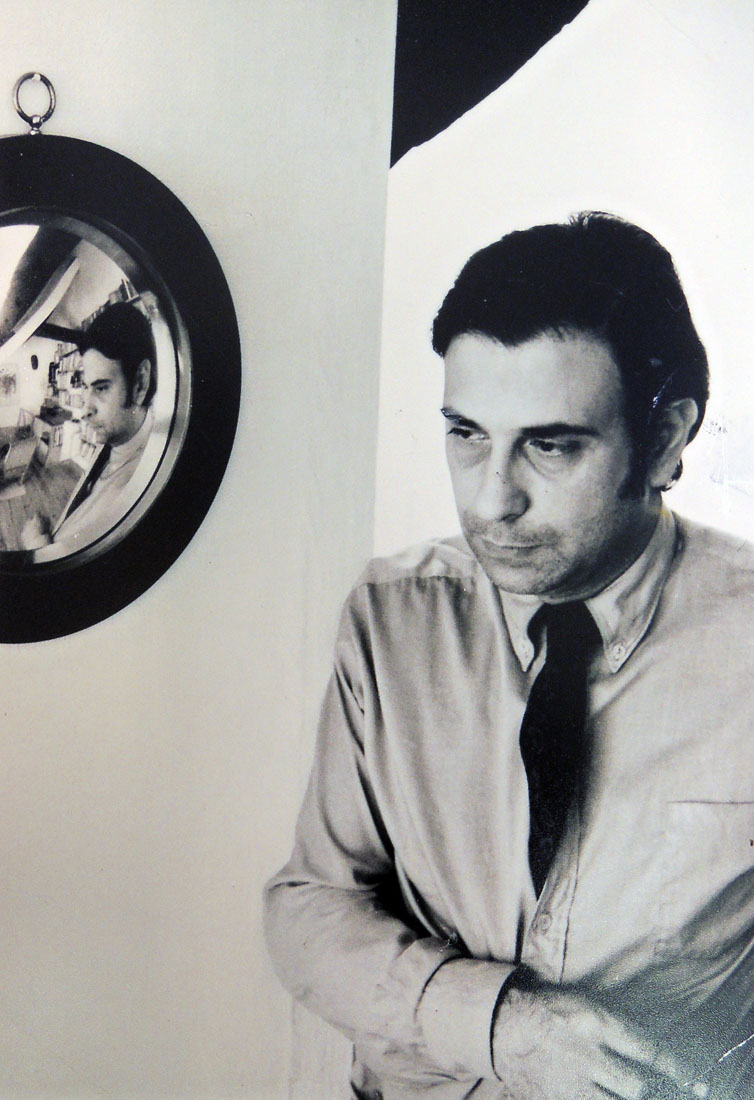
silva discours photo4

Portrait of Julio Silva by Julio Cortázar at the Place du Général Beuret house (Paris, 1965).

  In the case of this first collaboration, Silva provided lithographs to complement text that Cortázar had already written for Les Discours du Pince-Gueule (1966). This later changed when Silva’s designs came first with the two collage books, La vuelta al día en ochenta mundos (1967) and Último round (1969) and then Territorios (1978). With Silva and other collaborators, Cortázar preferred to let them take the lead, writing that he had “a wish to walk alongside friends who are painters, creators of images, and photographers” (Territorios, 107). According to Standish, “by the seventies he was saying that he was writing because of the existence of their art, and pointing out that critics had paid a great deal of attention to literary influences upon him but not enough to a long list of artistic and musical ones.”
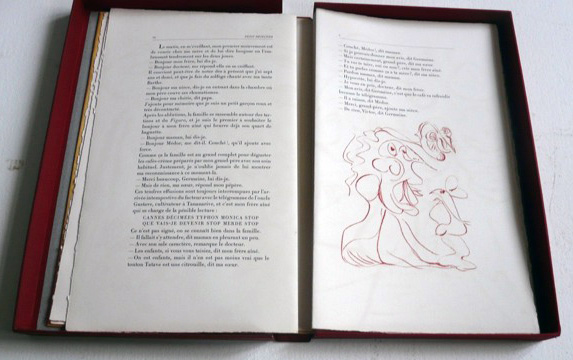
 

silva 3

Opening from Discours du Pince-Gueule.
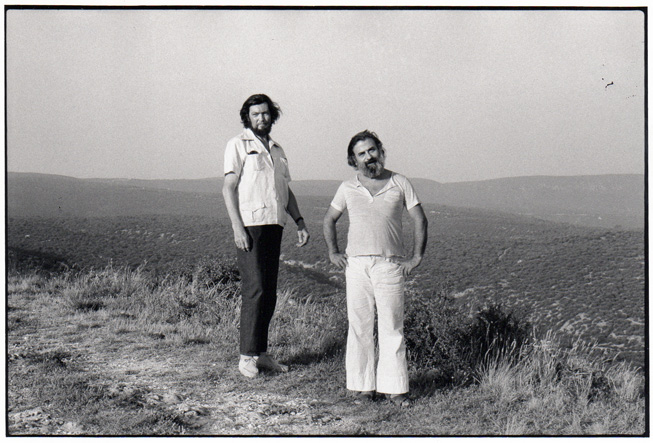
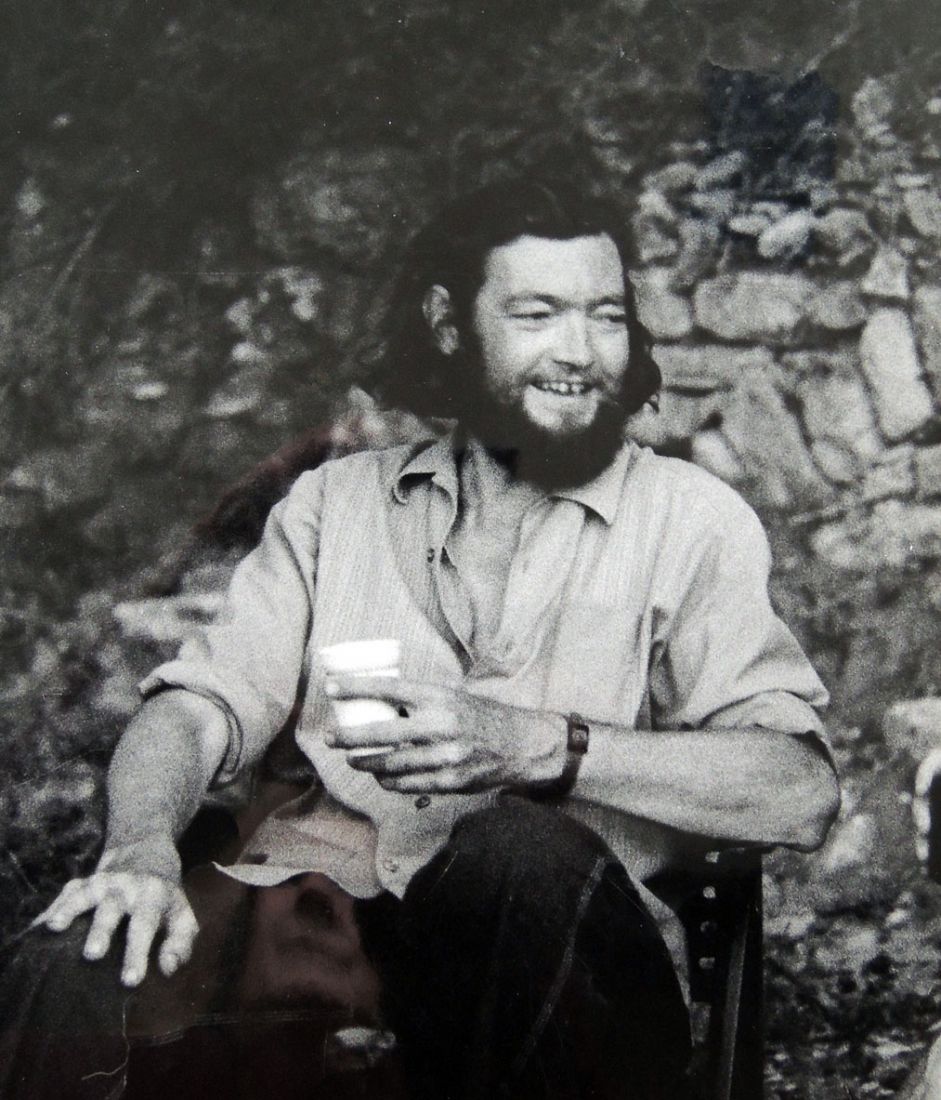
BIO 219_ JULIO ET JULIO  SAIGNON PRES DE APT  1971

Photograph by Colette Portal (Saignon, 1979).

We are fortunate to have acquired not only the 1966 limited edition artists’ book but also many drawings and proofs that led to the first edition. We also acquired several albums of personal photographs from Silva and Cortázar, providing views of their friends and collaborations. The photographers include Pierre Boulat; Colette Portal; Yan Voss; and Cortázar himself. We are extremely grateful to Julio Silva for making this acquisition possible, which will undoubtedly inspire and inform generations of researchers.
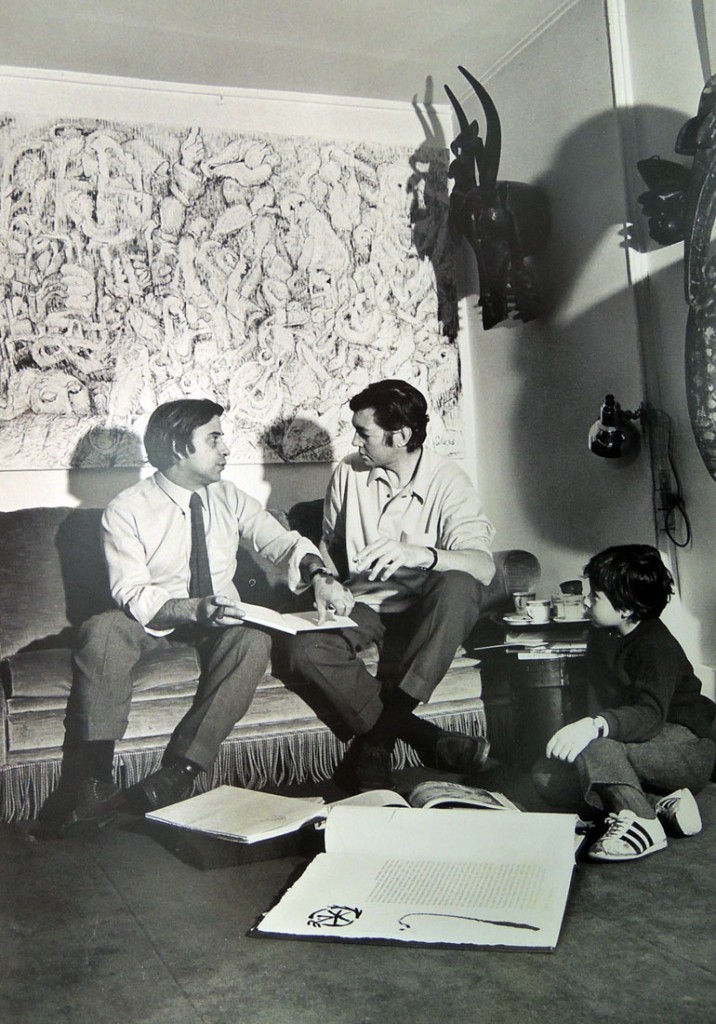
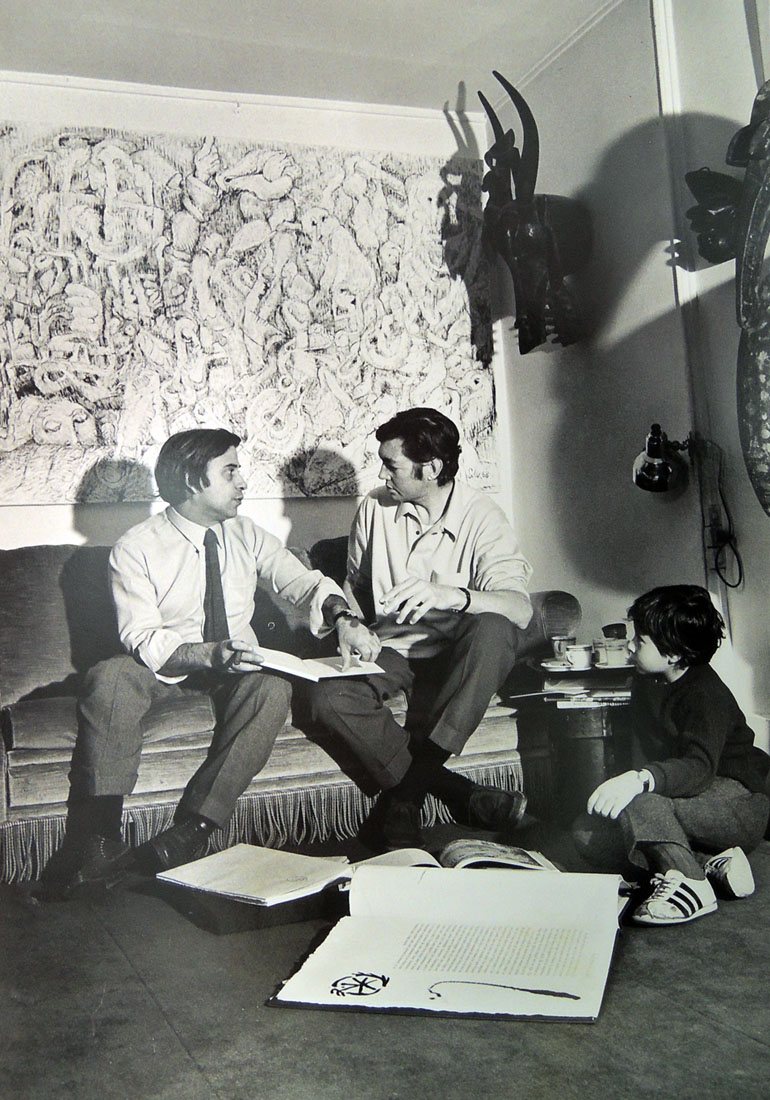
silva discours photo6

Photograph by Pierre Boulat at Julio Silva’s home at the Rue de Beaune, Paris with Julio Cortázar and Olivier Silva (Paris, 1969).
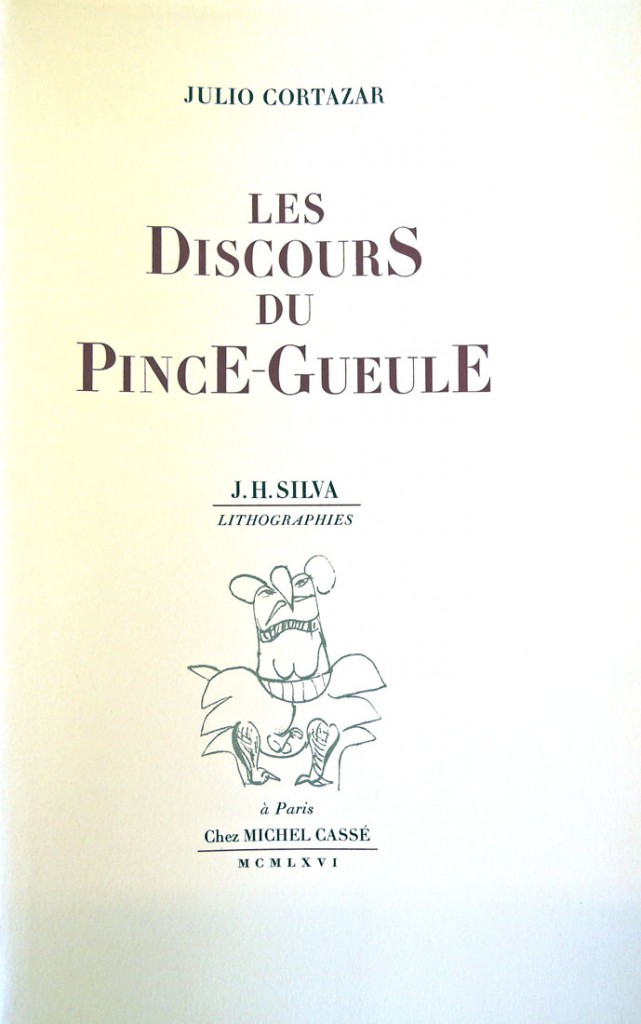
silva discours du pince gueule2

Julio Cortázar, Les Discours du Pince-gueule. Illustrations by Julio H. Silva (Paris: M. Cassé, 1966). Edition of 100. Graphic Arts Collection. Purchased with the generous support of Stanley J. Stein, the Walter Samuel Carpenter III Professor in Spanish Civilization and Culture, Emeritus, in honor of Barbara H. Stein, Princeton University’s first bibliographer for Latin America, Spain and Portugal.


Historic Designs and Patterns in Color from Arabic and Italian Sources

arabische und alt 7

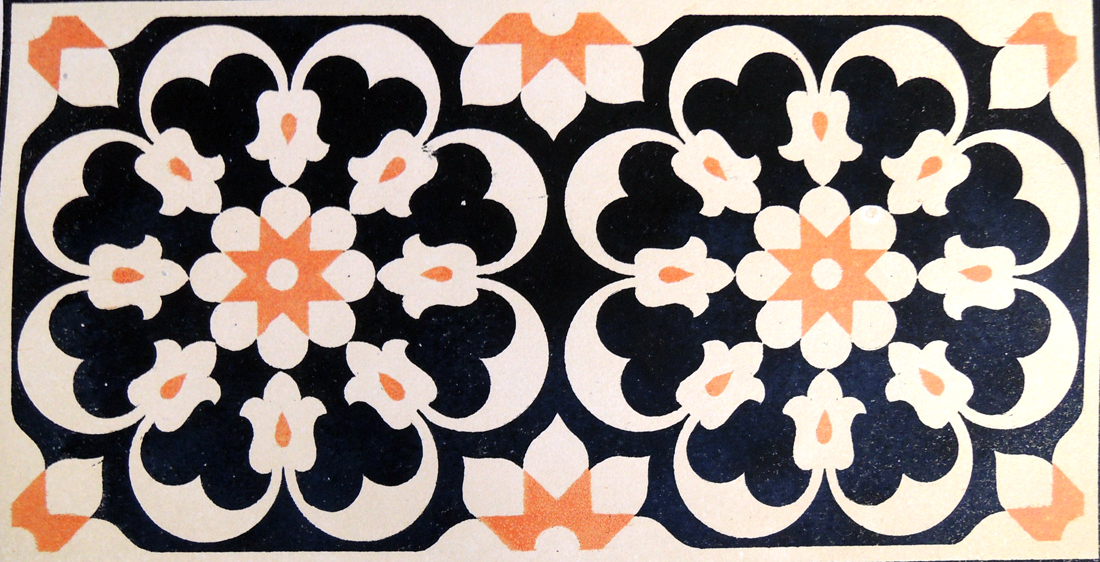
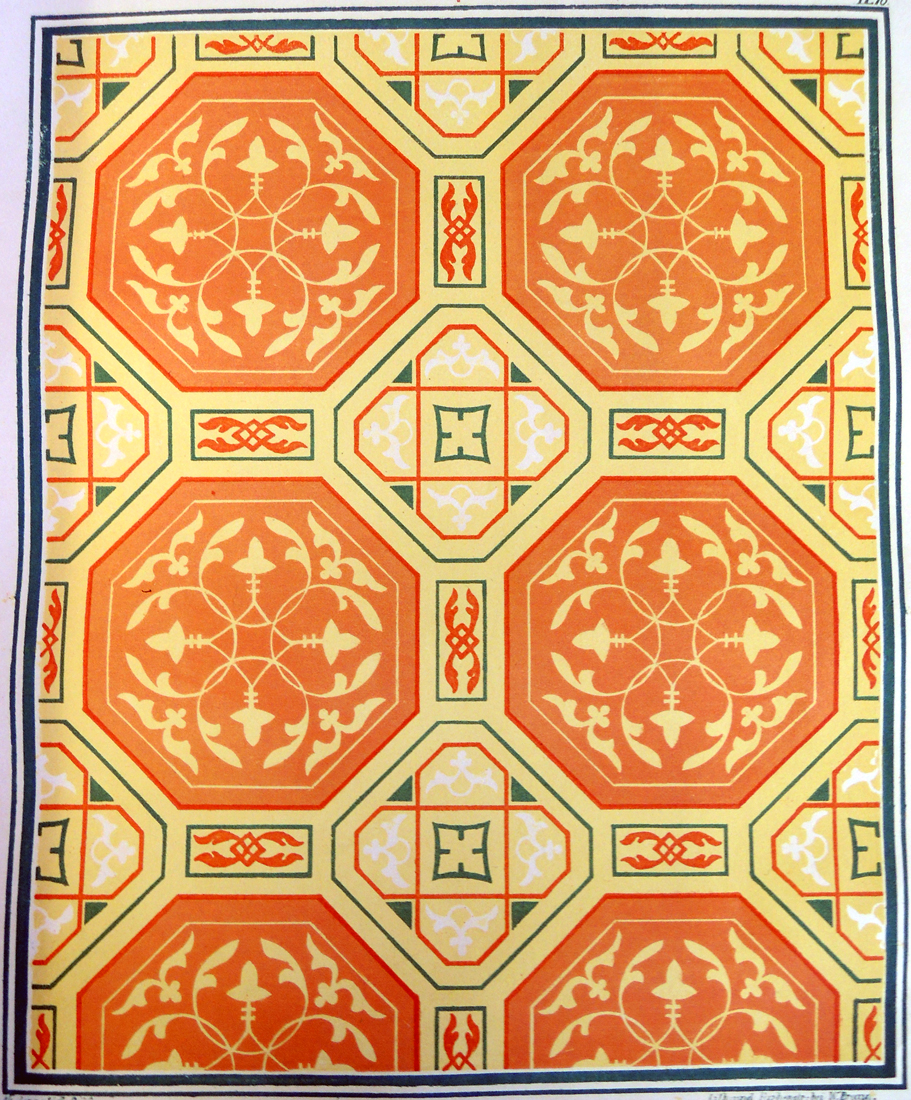
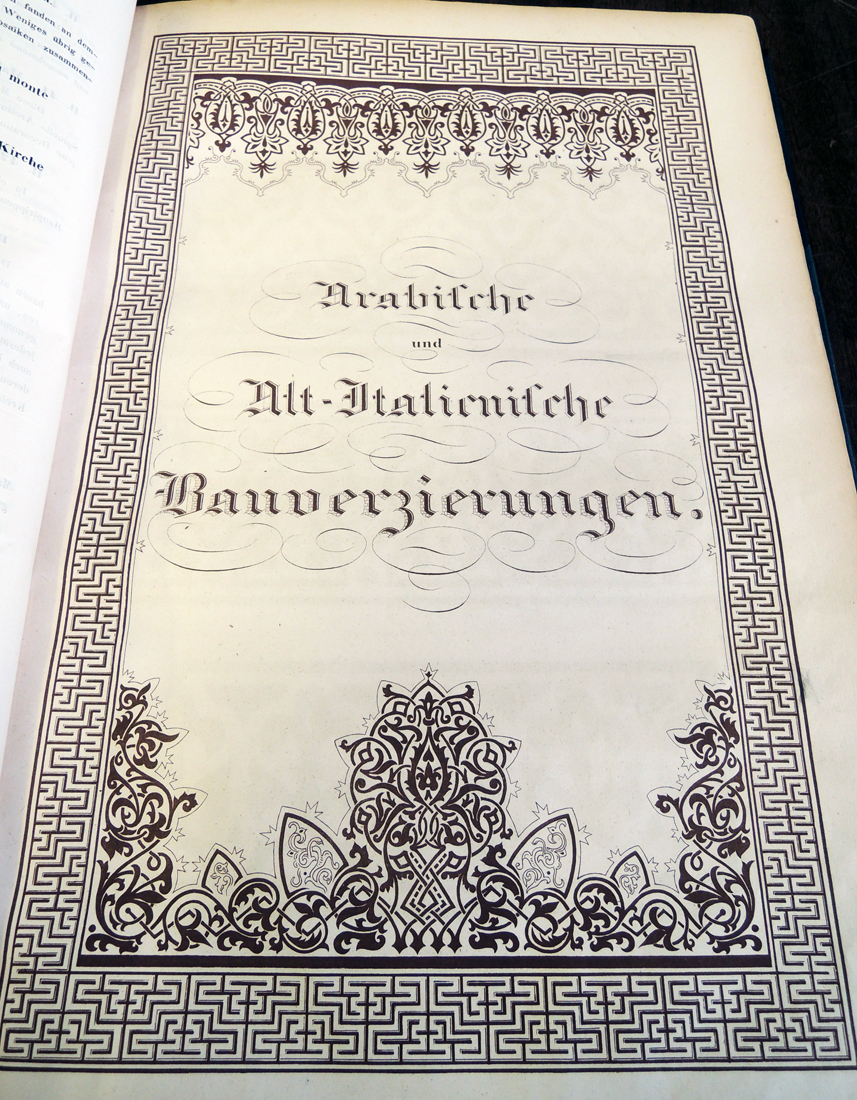
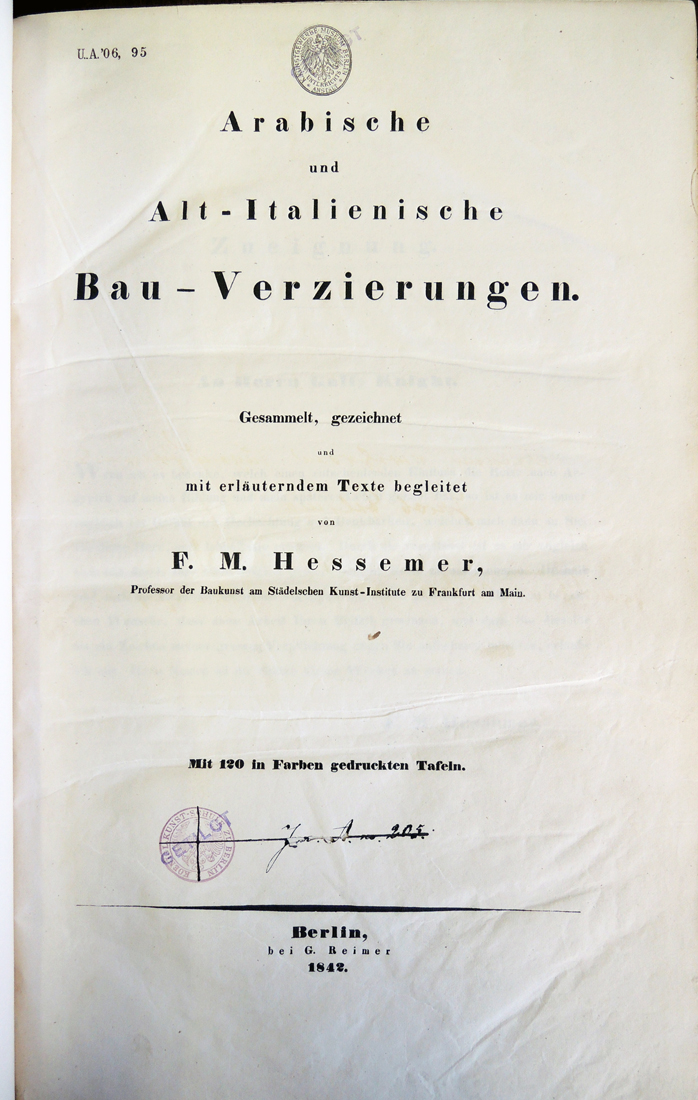
Friedrich Maximilian Hessemer (1800-1860), Arabische und Alt-Italienische Bau-Verzierungen (Berlin: G. Reimer, 1842). 120 chromolithographic plates. Graphic Arts Collection GA 2014- in process

arabische und alt 6

The German architect Friedrich Maximilian Hessemer spent two years traveling and studying the architecture of Switzerland, Italy, Malta, and Egypt. Thanks to the collection of letters he wrote (available in Johns Hopkins University), we know that he made at least 450 pencil sketches and color drawings of what he saw.

120 chromolithographic plates were created from these designs and issued with descriptions in parts between 1836 and 1841. The combined set has been translated and the plates reproduced as Historic Designs and Patterns in Color from Arabic and Italian Sources. Princeton is fortunate to have acquired a rare copy of Arabische und Alt-Italienische Bau-Verzierungen, with the original chromolithographic plates.

arabische und alt 5

arabische und alt 4

arabische und alt 2   arabische und alt 1

arabische und alt 3

The New York Public Library has digitized the entire book, which can be viewed here: http://digitalcollections.nypl.org/items/510d47d9-690e-a3d9-e040-e00a18064a99

Fritz Eichenberg

eichenberg3
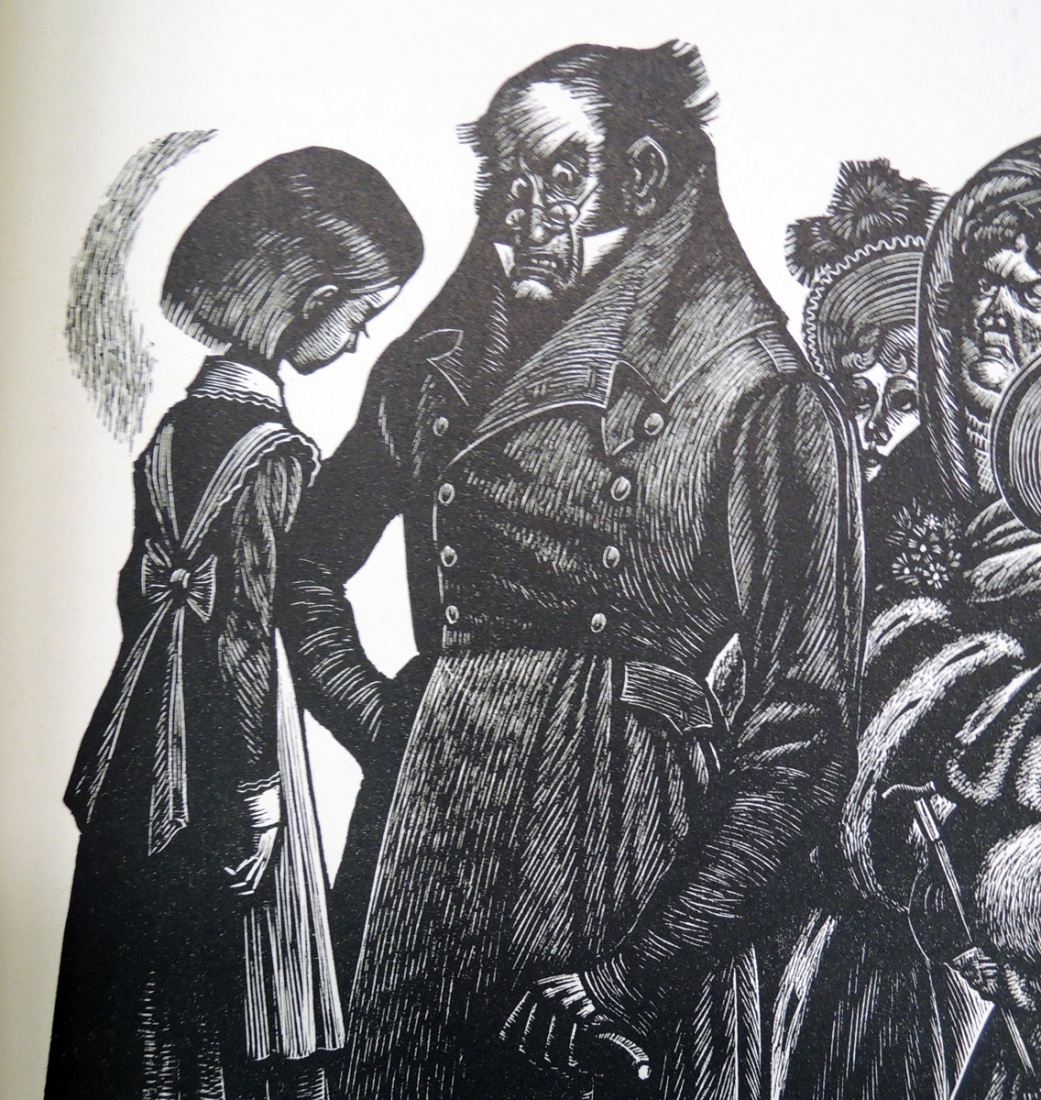
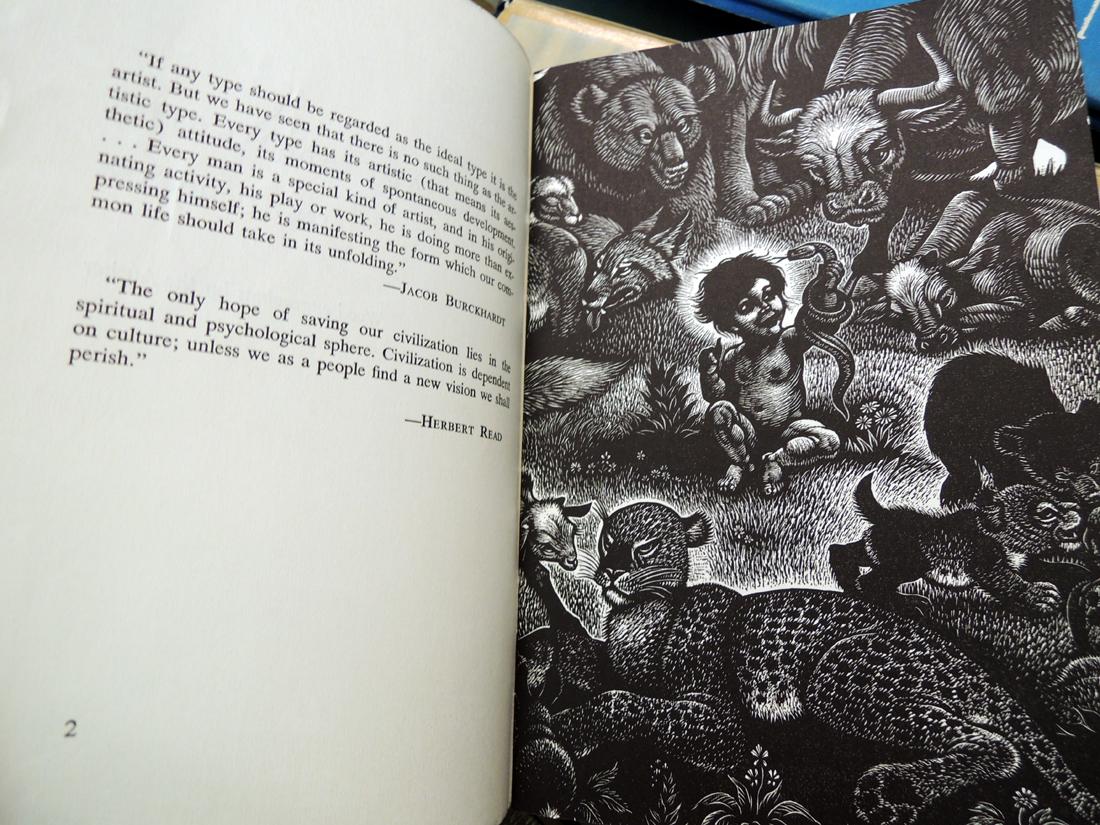
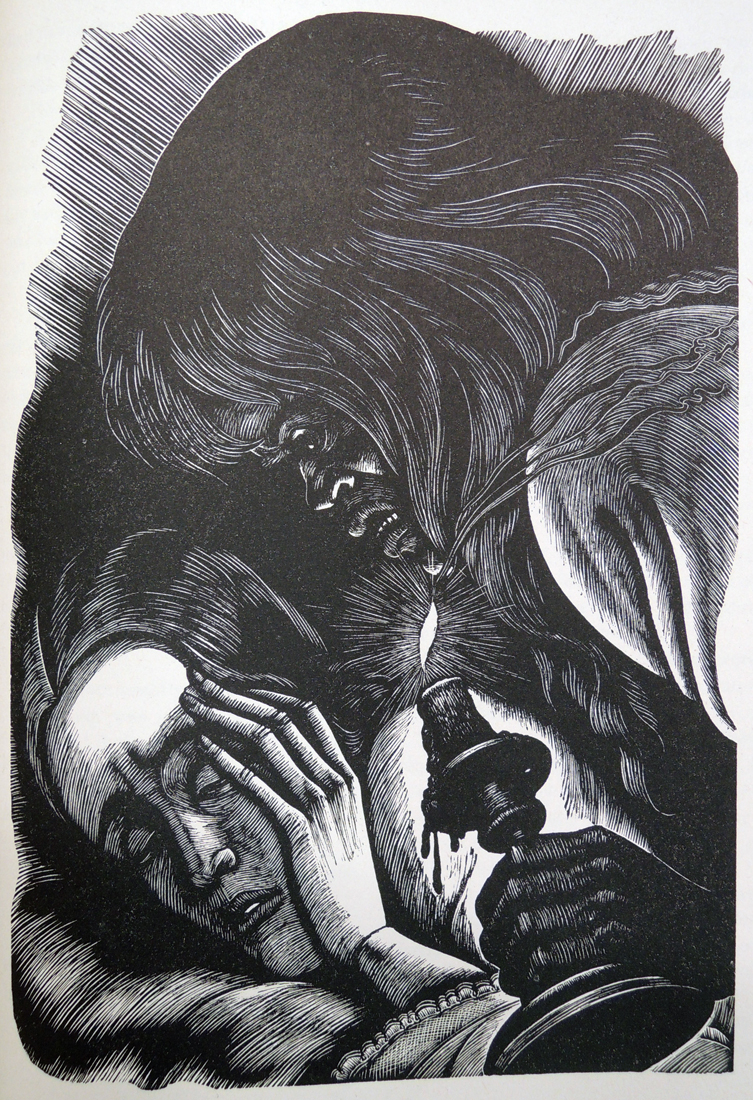
The Graphic Arts Collection is fortunate to have an extensive collection of prints by the artist and illustrator Fritz Eichenberg (1901-1990). Thanks to a gift of Charles A. Perera, class of 1926, we also have a number of the published books illustrated by Eichenberg. In a 1964 interview, conducted by Harlan Phillips for the Archives of American Art, the artist remembered how he began illustrating books.

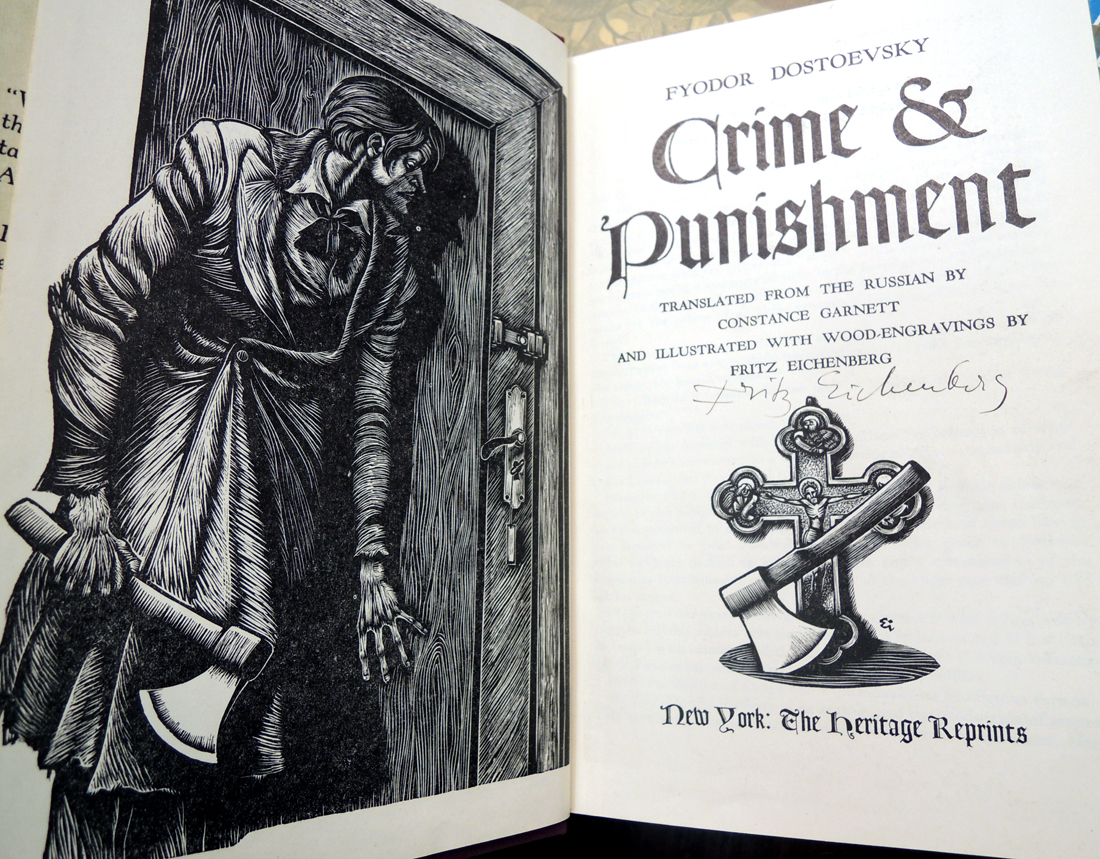
 “Well, I picked my teachers. I worked as an advertising artist in my early youth. I was eighteen or nineteen when I left Cologne, and I worked in a department store as a guy for everything – you know; I did posters and advertising. I was an apprentice in a lithographic print shop before I took on my first job. … I [studied] with Hugo Steinerpark who was a well known illustrator and perhaps overrated, if you think of him now. At the time he gave me a feeling that this was the right man for me. He was not only interested in the illustration, but in the book as a whole – the design, the binding, the type – the illustrations were just a part of his work. He was the head designer for Ulstein Books, which are still beautiful. He did most of the bindings, and they were just marvelous. I studied under him and became almost immediately one of his master students; that meant that I had the privilege of having a studio by myself under the roof of the academy.  … Leipzig was the center of the book publishing world really at the time, which it isn’t any more. I had a marvelous time working more or less by myself for myself. I began to illustrate books right away. I did Gulliver’s Travels and Dostoevski, whom I always adored as an author. The first book was Crime and Punishment, and I did it while I was a student.”

eichenberg1
eichenberg5
eichenberg4
eichenberg6
eichenberg7                    eichenberg2
A collection of books illustrated by Fritz Eichenberg, 1901-1990, Gift of Charles A. Perera (Class of 1926).
Stephen Vincent Benét (1898-1943), The Devil & Daniel Webster. Now printed with an appreciation by Henry Seidel Canby and wood-engravings by Fritz Eichenberg. (Kingsport, Tenn.: Kingsport press [c1945]).
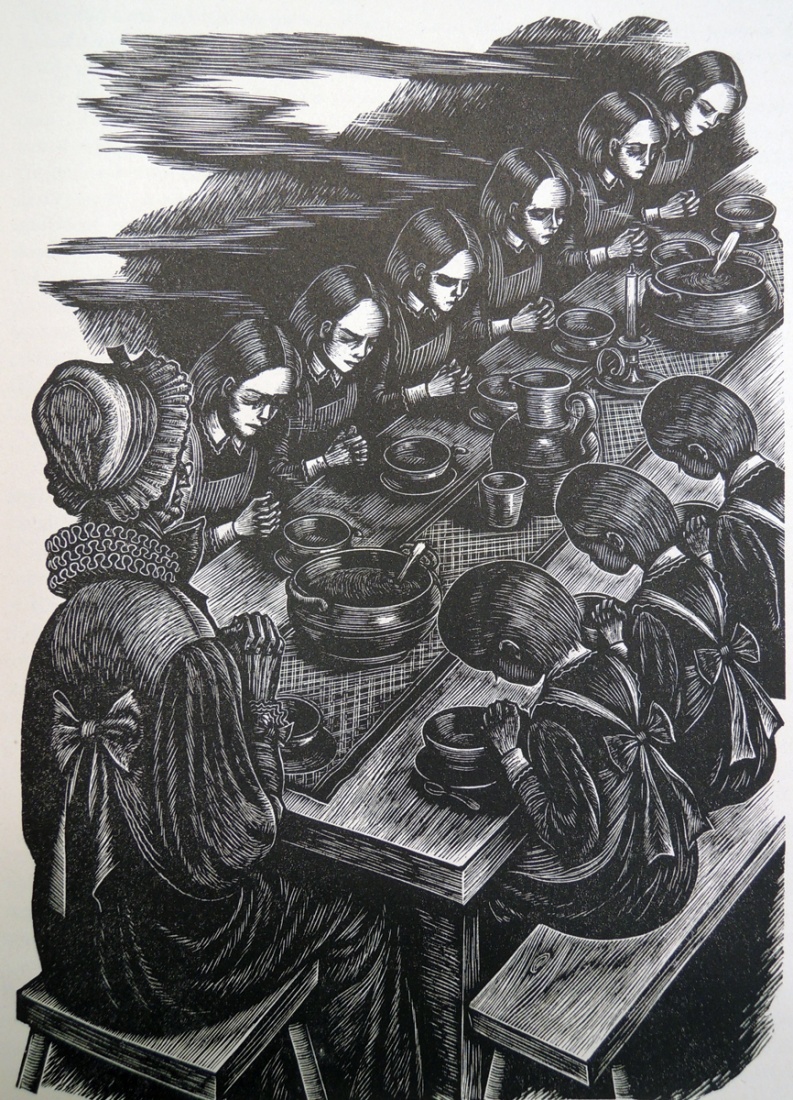
Charlotte Brontë (1816-1855), Jane Eyre, with wood engravings by Fritz Eichenberg (New York: Randon House, 1943). This edition was planned by Richard Ellis and produced under his direction. The illustrations by Fritz Eichenberg were printed letter press form electrotypes of the original wood engravings. The text was composed in monotype Bodoni with long descenders. The composition, electrotyping, printing and binding were by Kingsport Press at Kingsport, Tenn.
Emily Brontë (1818-1848), Wuthering Heights; illustrated with wood engravings by Fritz Eichenberg (New York: Random House, 1943). “This edition was planned by Richard Ellis and produced under his direction. … Printing and binding were by Kingsport Press at Kingsport, Tennessee”–T.p. verso.
Mark Van Doren (1894-1972), The Witch of Ramoth, and other tales. Illustrated by Fritz Eichenberg (York, Pa.: Maple Press Co., 1950). Keepsake series, v.8  “This edition consists of seventeen hundred numbered copies”–Colophon.
Fyodor Dostoyevsky (1821-1881), Crime & Punishment. Translation by Constance Garnett (New York: Heritage Club 1938).
Fyodor Dostoyevsky (1821-1881), The Brothers Karamazov : a novel in 4 parts & epilog, translation by Constance Garnett (New York: Heritage Press, 1949, 1933).
Fyodor Dostoyevsky (1821-1881), The Grand Inquisitor, reflections on the story by William Hubben. Illustrations by Fritz Eichenberg ([New York?]: Woman’s Press, 1948).
Fritz Eichenberg (1901-1990), Ape in a Cape: an Alphabet of Odd Animals (New York: Harcourt Brace & Company, 1952).
Fritz Eichenberg (1901-1990), Art and Faith (Wallingford, Pa.: Pendle Hill, 1962).
Jonathan Swift (1667-1745), Gulliver’s Travels; an account of the four voyages into several remote nations of the world, illustrated with engravings on wood by Fritz Eichenberg (New York: Heritage press, 1940).
Terence Hanbury White (1906-1964), Mistress Masham’s Repose. Illustrations by Fritz Eichenberg (New York: G. P. Putnam’s sons, [1946]). Endpapers by Raymond Grath.

Unica T

utica t 1
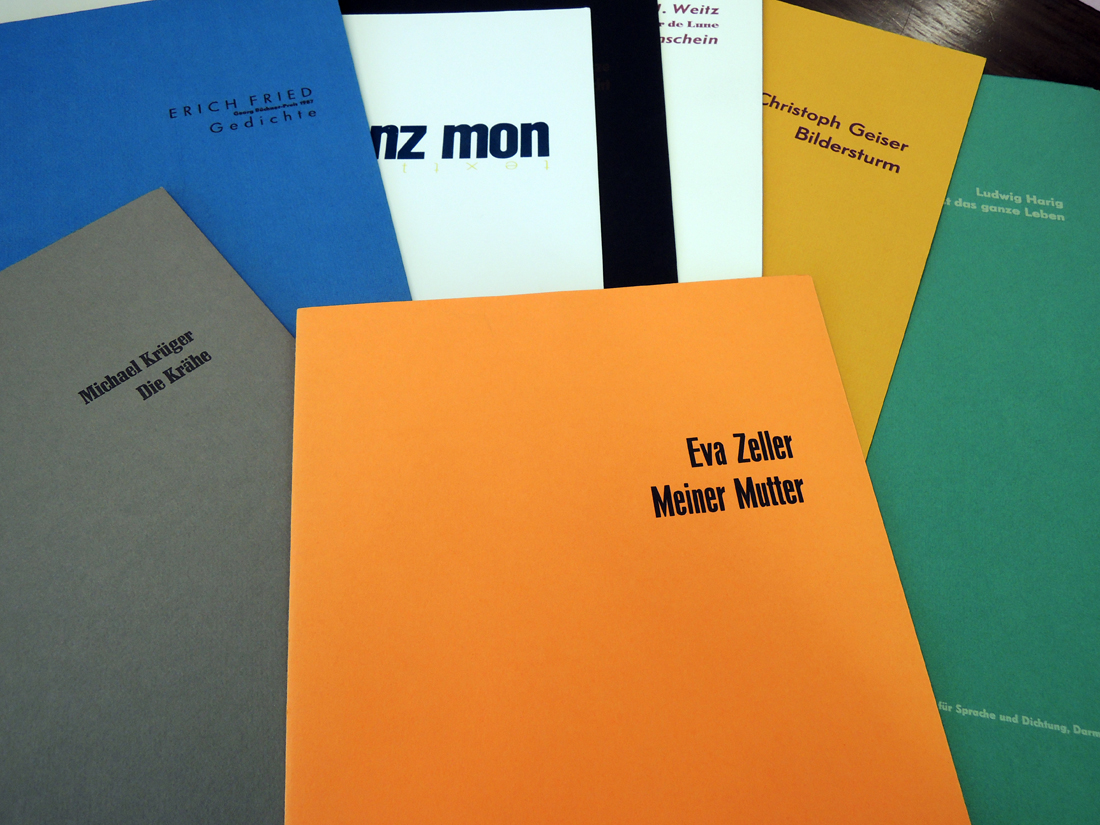
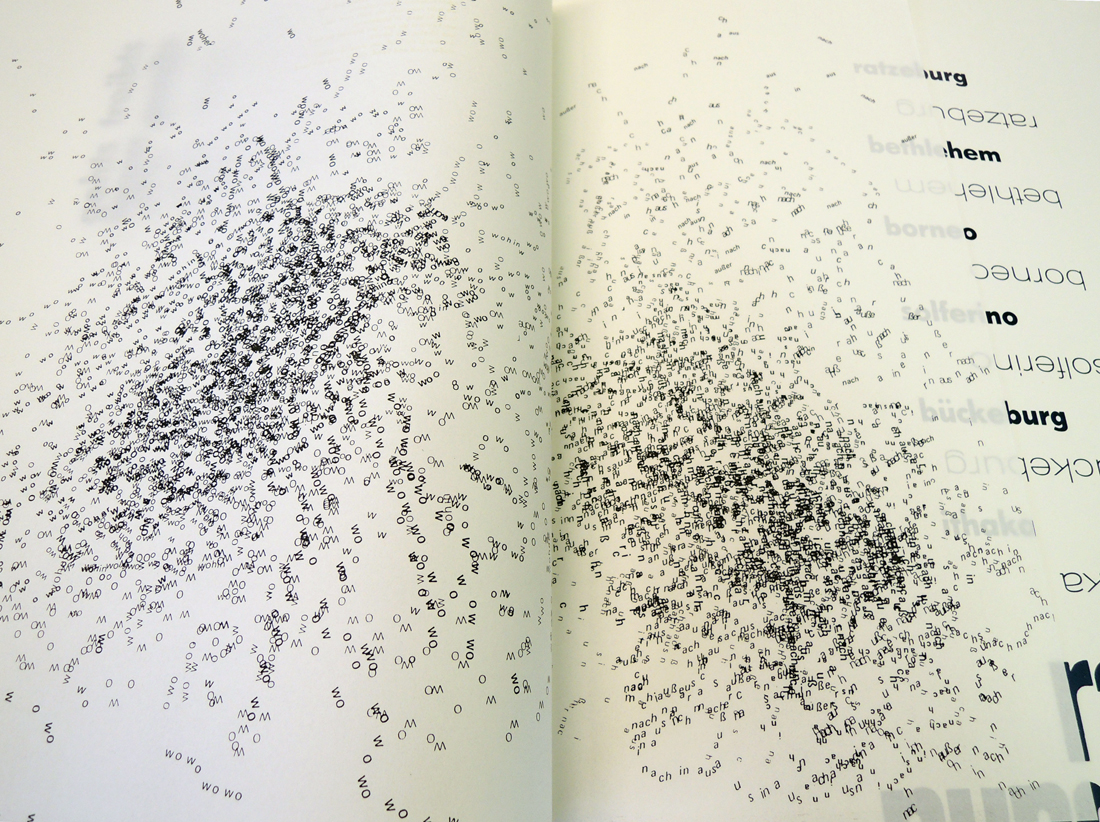
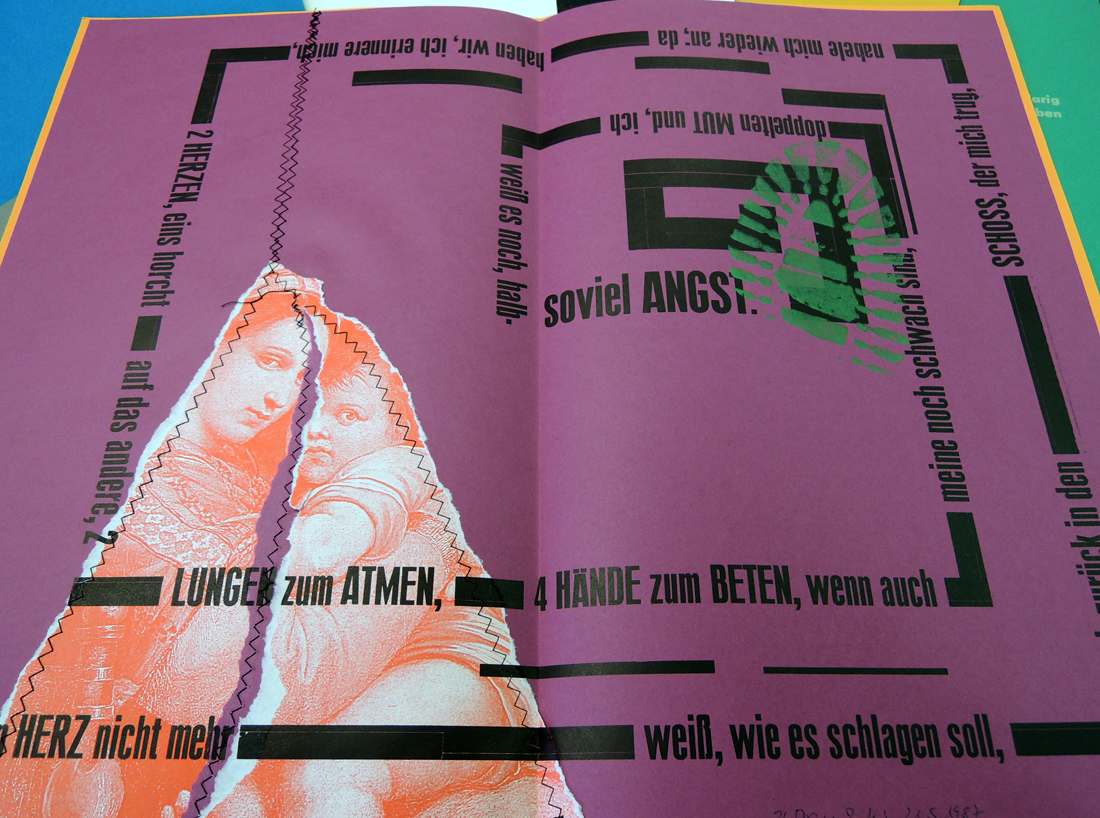
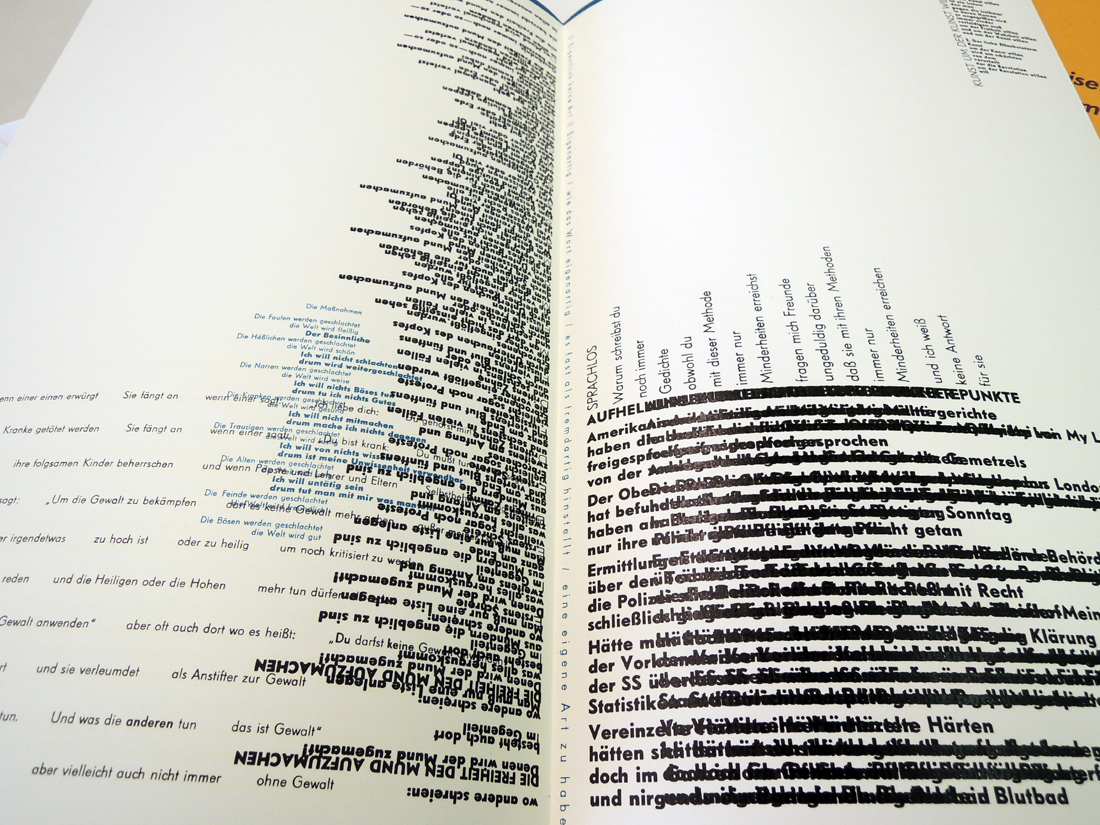
Once a month during the academic year 1986-1987, the book arts collective Unica T published a typographic portfolio for the Deutsche Akademie für Sprache und Dichtung (The German Academy for Language and Literature) in an edition of 70 copies. Each was an interpretation of the author read at the month’s meeting. The Graphic Arts Collection has acquired the set of nine portfolios, which feature the writing of Paul Verlaine, Ludwig Harig, and others.

utica t 4

Utica T (a fictitious person making real books) was a collaborative of five women, led by Ulrike Stoltz and Uta Schneider. When the group disbanded in 2001, the two artists continue to collaborate under the name ‹usus›. Schneider also works as a free lance designer in book design and typography, after twelve years as executive manager for the Stiftung Buchkunst (Book Art Foundation). Stoltz is professor for typography at Hochschule für Bildende Künste Braunschweig.

utica t 2


utica t 3

Unica T, Erster Jahrgang. Veranstaltet die Deutshe Akademie Fur Sprache und Dichtung (Darmstadt: Unica T, 1986-87). 9 portfolios. Graphic Arts Collection GAX 2014- in process.


Peter Blake’s Under Milk Wood

thomas under milk wood8

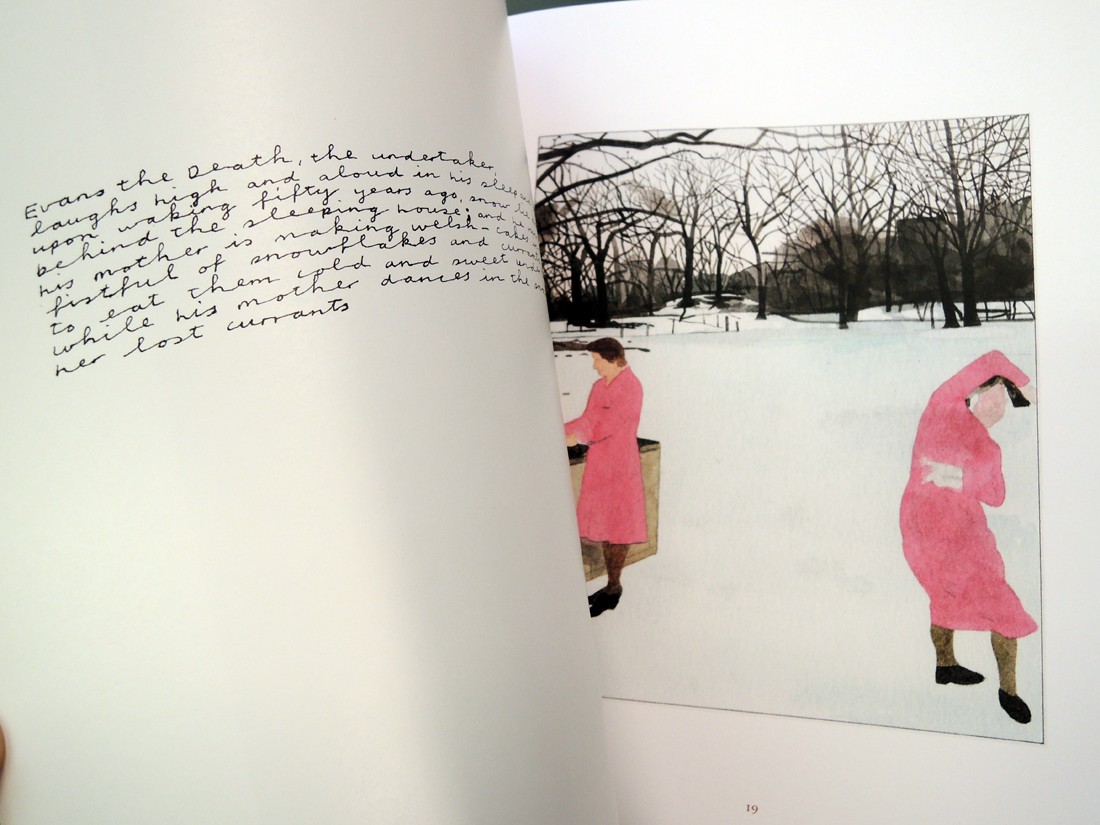
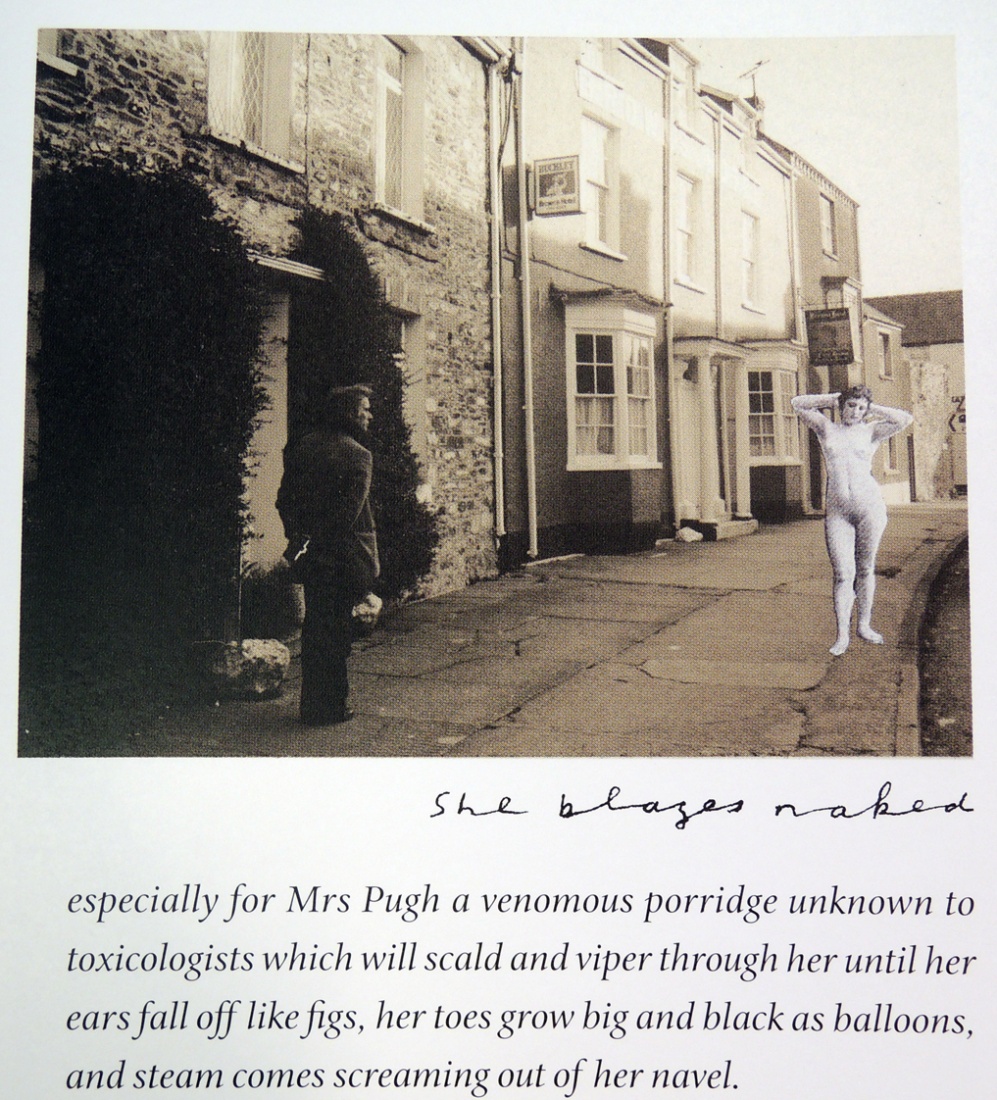
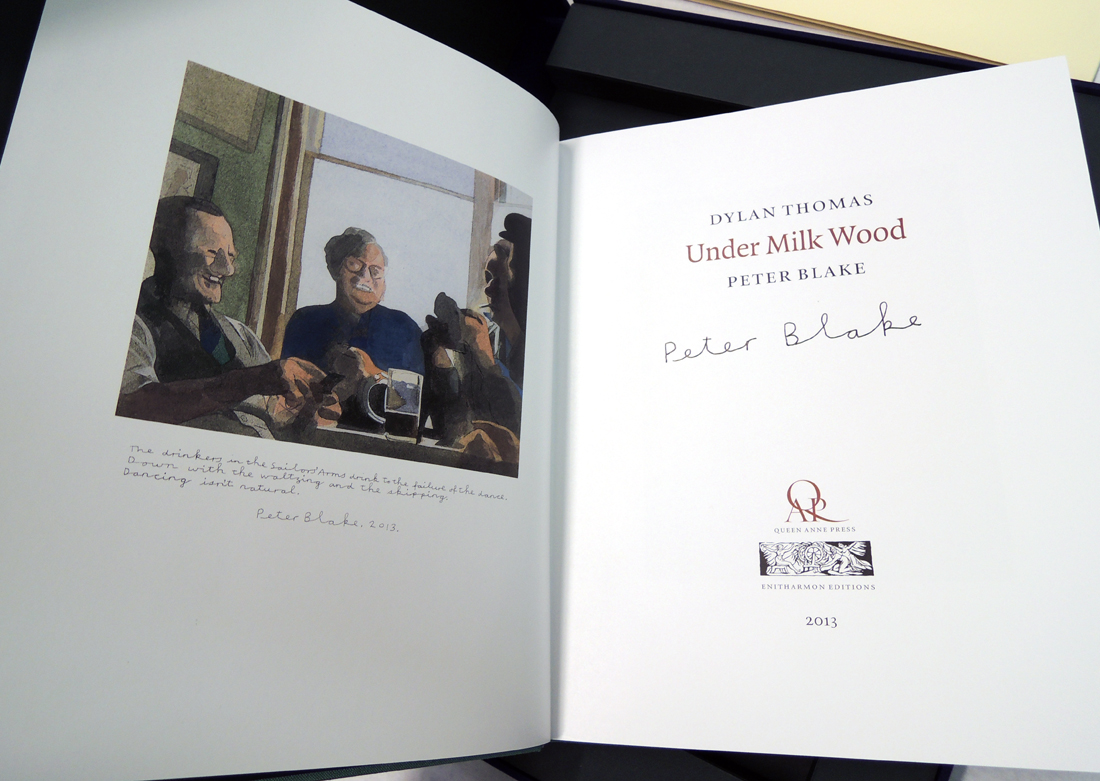
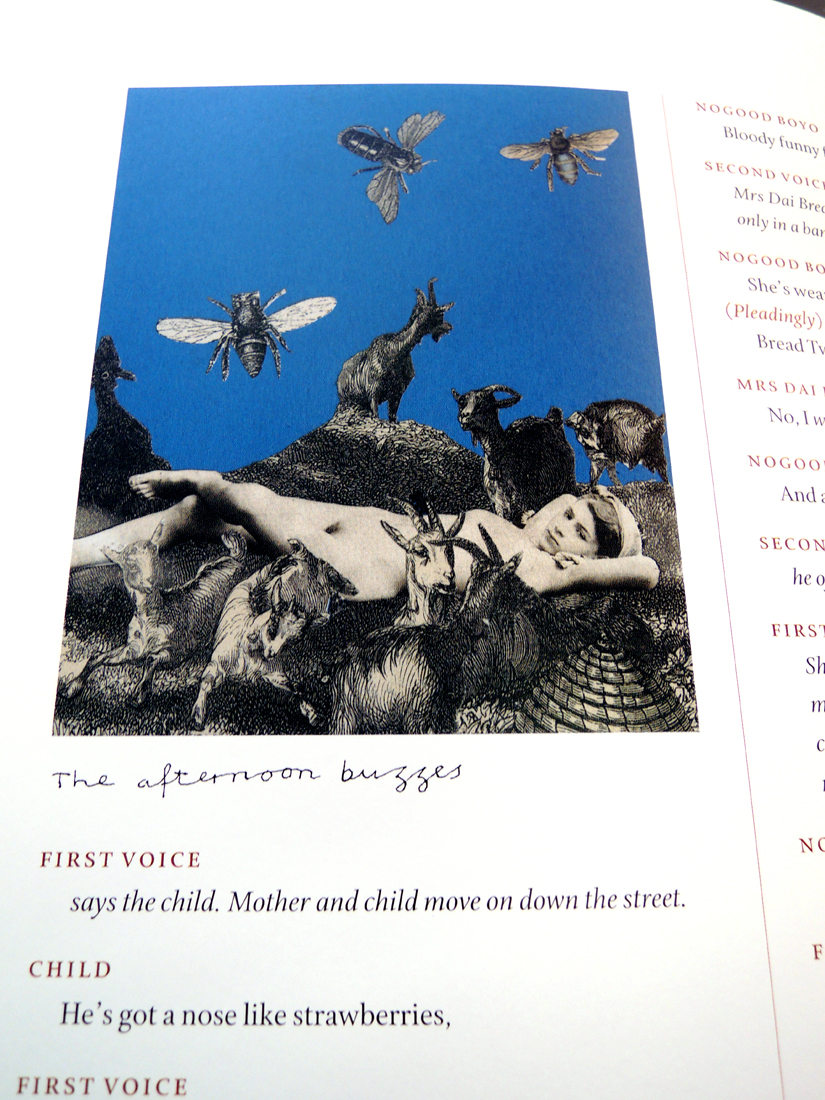
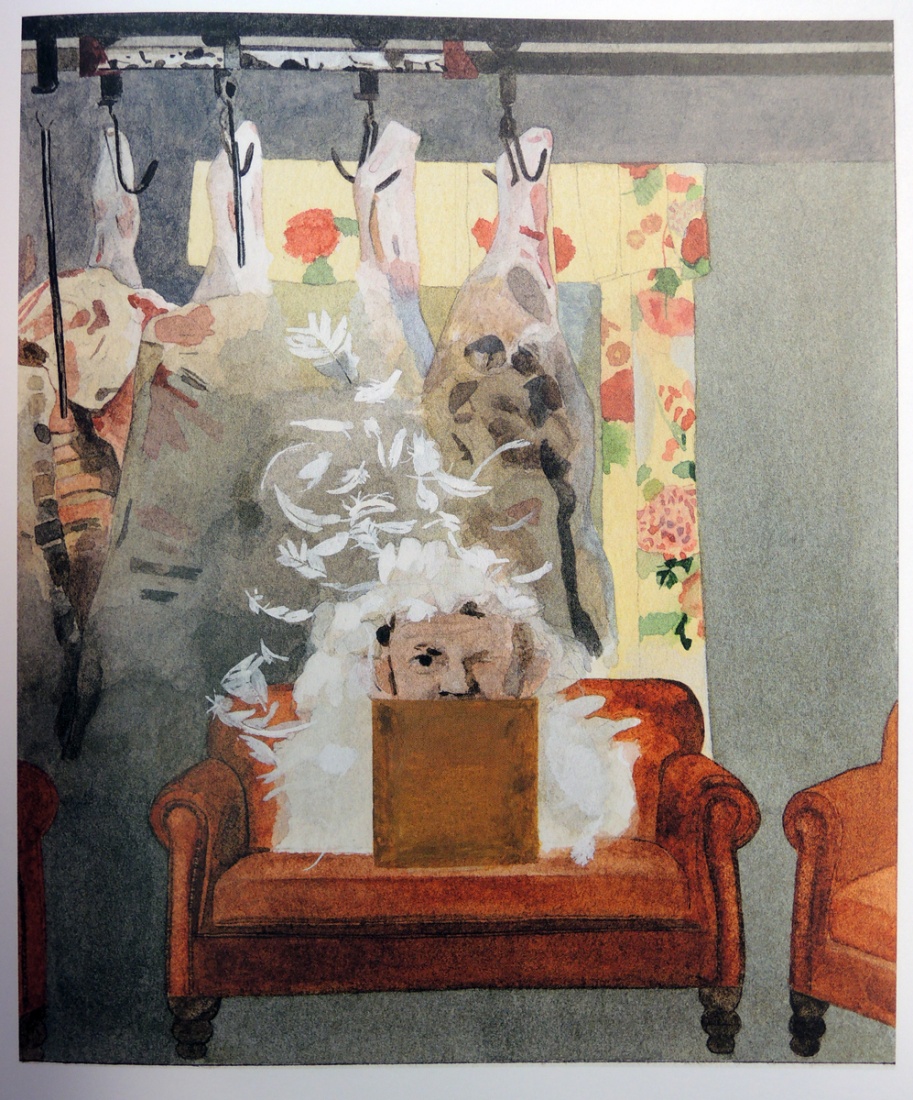
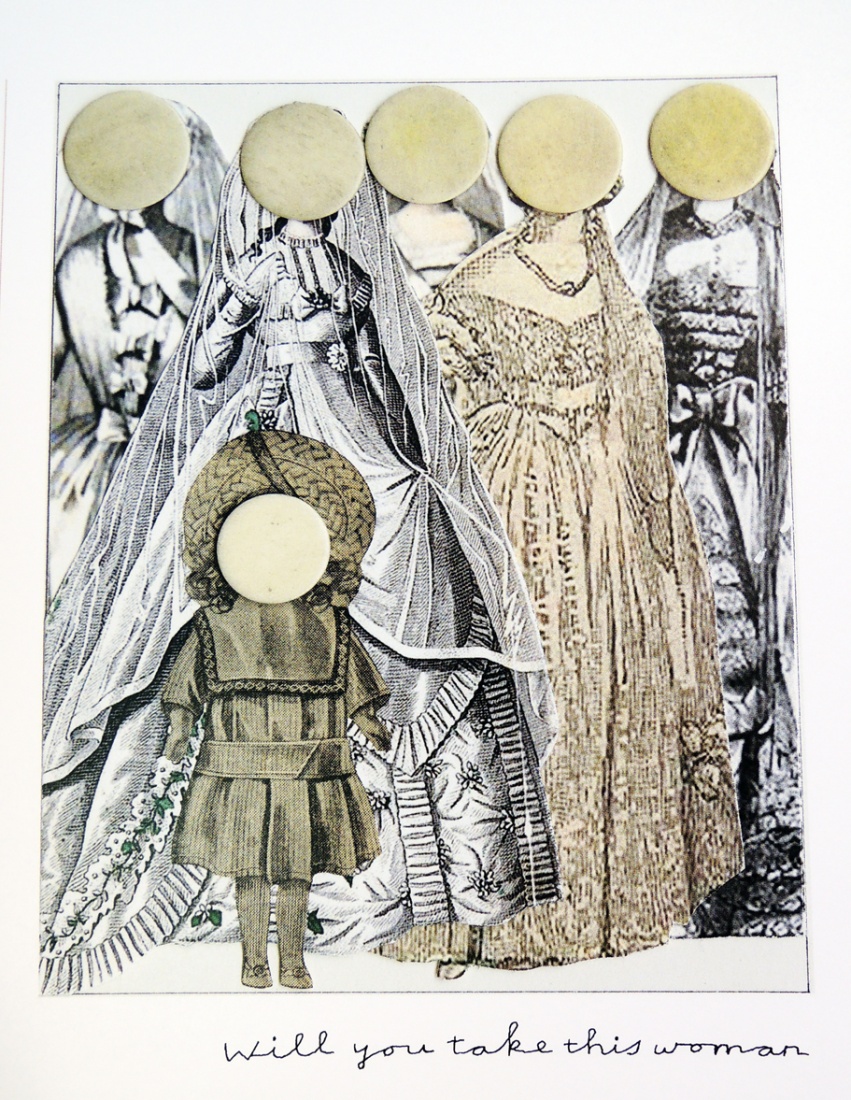
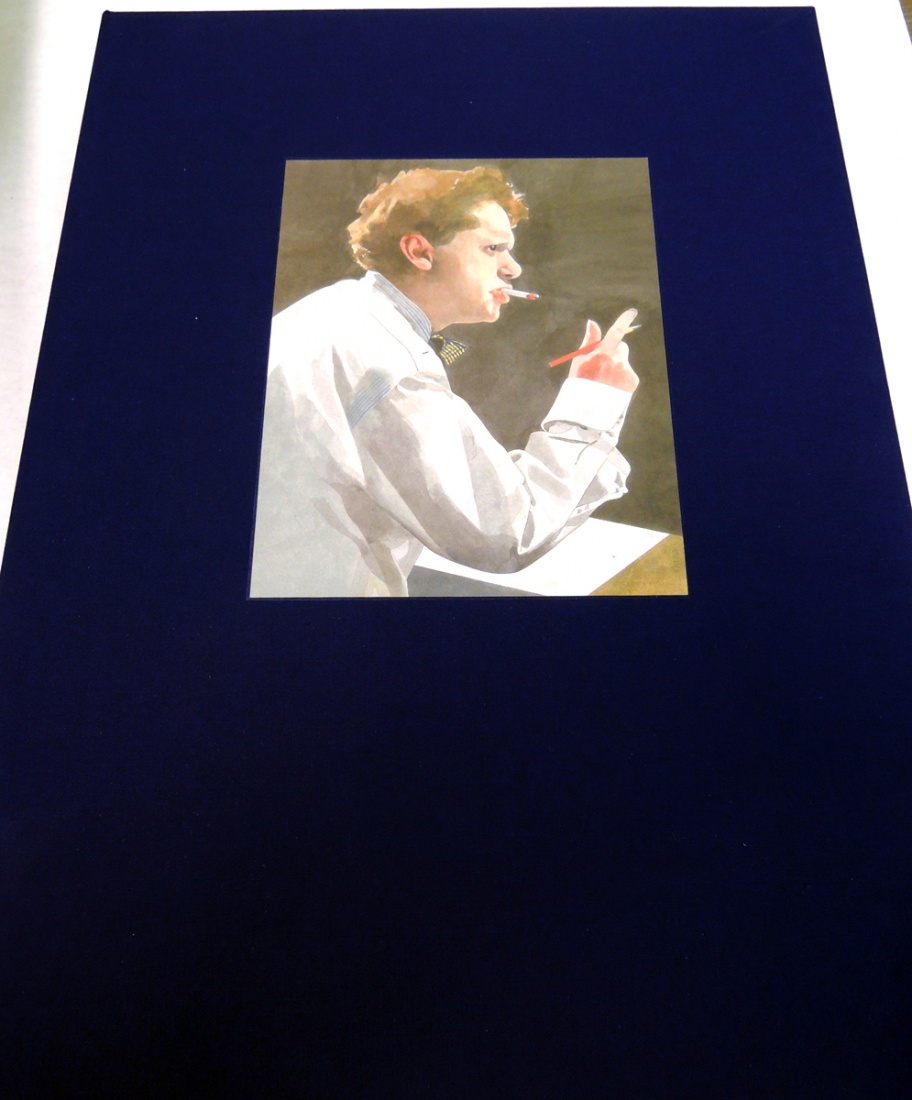
The Graphic Arts Collection recently acquired a deluxe edition of Dylan Thomas’s 1954 ‘play for voices,’ Under Milk Wood, with images by Sir Peter Blake. Published by Enitharmon Editions to mark the 2013 centenary of Thomas’s birth, this publication was designed by Libanus Press and bound by Shepherds, Sangorski & Sutcliffe, accompanied by a signed stochastic aqueous pigment print editioned by Chaudigital.

thomas under milk wood7

The work took Blake over 28 years to complete and includes illustrations using pencil, watercolor, and collage, which detail every aspect of Thomas’s fictional seaside village Llareggub. An exhibition of Blake’s art launched the Dylan Thomas 100 Festival, a celebration to mark 100 years since Wales’ best-known poet’s birth in Swansea.

thomas under milk wood3

“It could have gone on forever,” admitted Blake. “But the festival was as good a place as any to stop. I am thrilled that it ties in with Dylan Thomas 100. It’s perfect really.” Blake said the original plan back in 1985 had been to create a series of wood engravings to illustrate Under Milk Wood in a limited edition book, never produced.
In an interview with the BBC, Blake continued, “I never met him no, but I started at the Royal College in October in October 1953 and he would have been in Soho. We may well have been in the same pubs. If we met now, I think we would have something to talk about, a common interest in Under Milk Wood.”

A BBC Wales programme Under Milk Wood in Pictures showing Sir Peter Blake at work on Llareggub was screened on BBC One Wales on Monday, 25 November 2013.

thomas under milk wood4

thomas under milk wood5

thomas under milk wood6

thomas under milk wood1
A review in The Guardian of what must be a spectacular exhibition can be read at: http://www.theguardian.com/artanddesign/2013/nov/22/peter-blake-under-milk-wood. If you only buy one book this year, this is the one to get.

thomas under milk wood9

Sean Scully

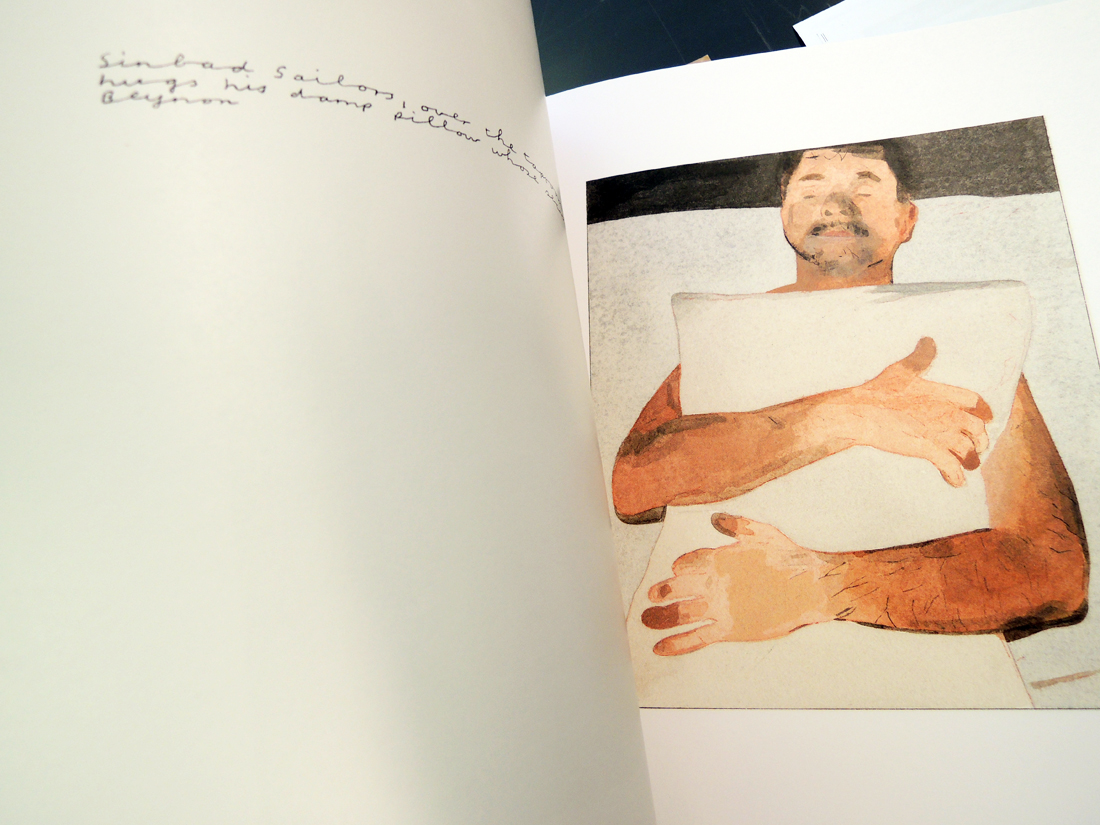
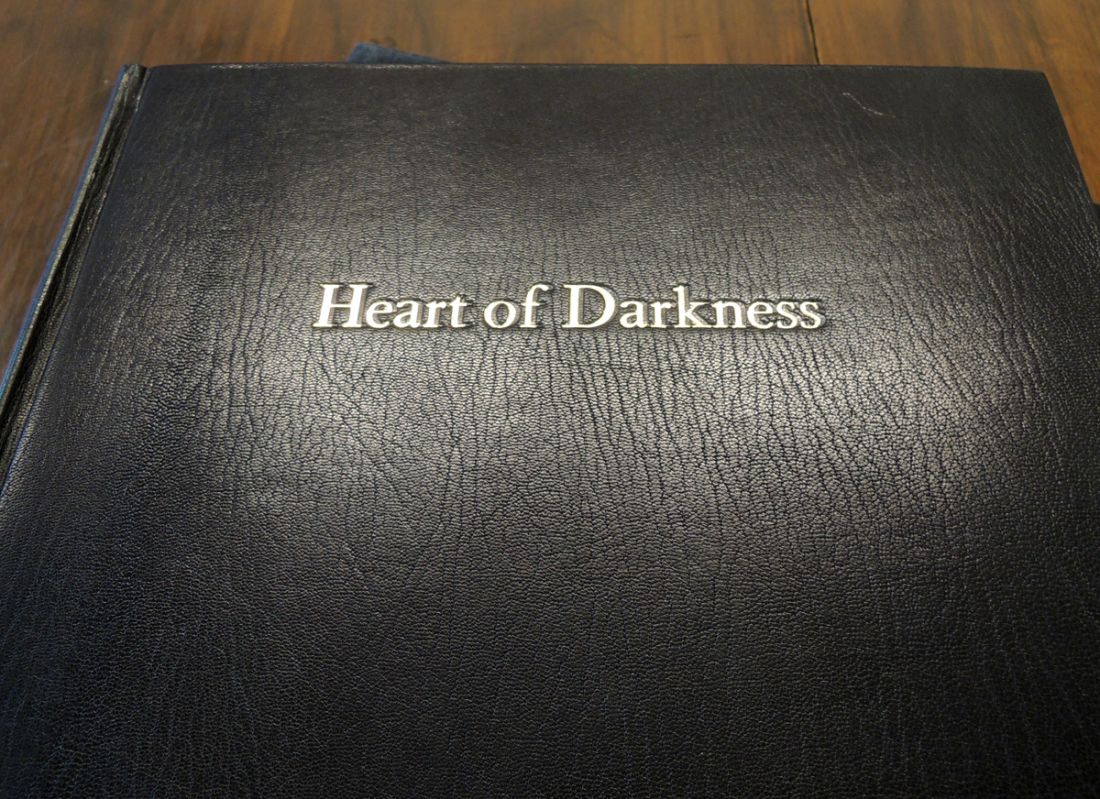
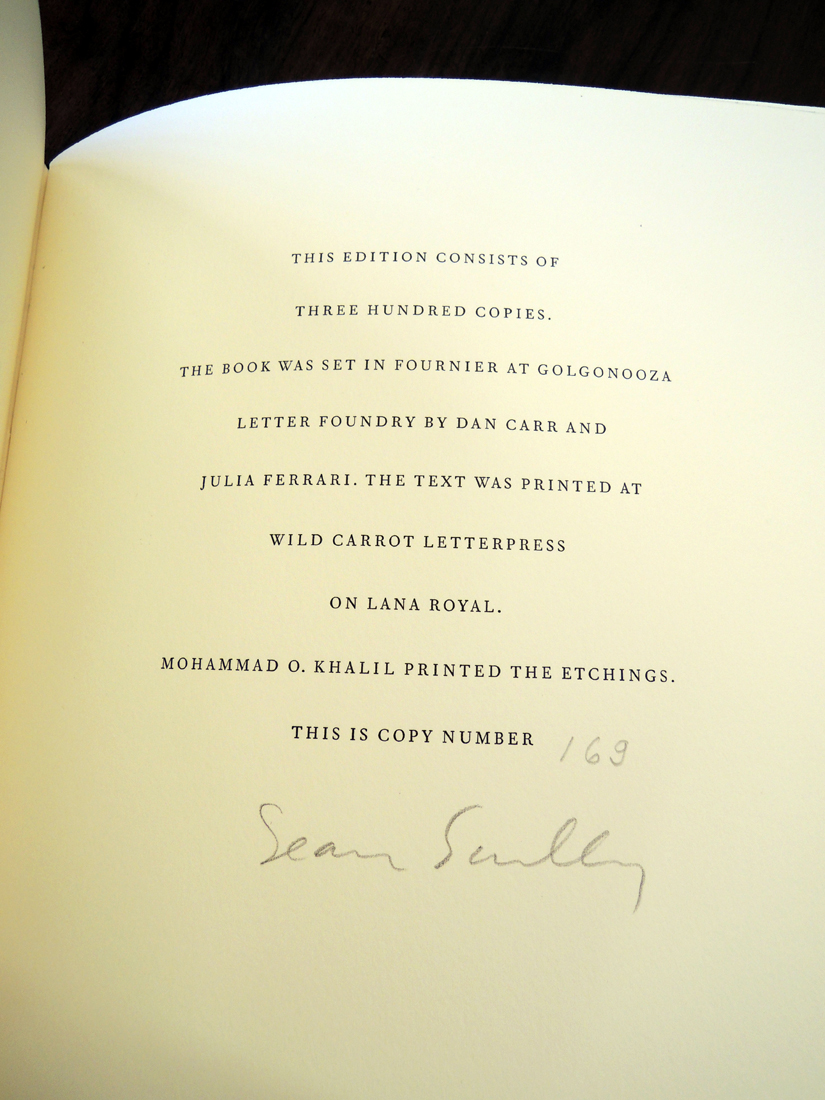
conrad heart of darkness1Joseph Conrad (1857-1924). Heart of Darkness, etchings by Sean Scully. [New York]: Limited Editions Club, 1992. Copy 169 of 300. Graphic Arts Collection GAX 2013- in process

In 1982, the Dublin-born artist Sean Scully painted three joined canvases called Heart of Darkness, after the 1902 novel by Joseph Conrad (1857-1924). Today, the painting hangs in the Art Institute of Chicago. It was also the last year he spent teaching at Princeton University, traveling down from New York on the bus each Tuesday and returning after class on Wednesday. A Guggenheim Fellowship in 1983 allowed the artist to stop teaching and work on his painting full-time.

conrad heart of darkness2

“When I was making the painting Heart of Darkness, I was reading the book by Joseph Conrad,” said Scully. “It was not the structure of the book but there was an atmosphere that was perhaps influencing the painting. There are certain images of dark rooms, dark spaces, primal forms and quite primitive forms that were influencing the painting.”

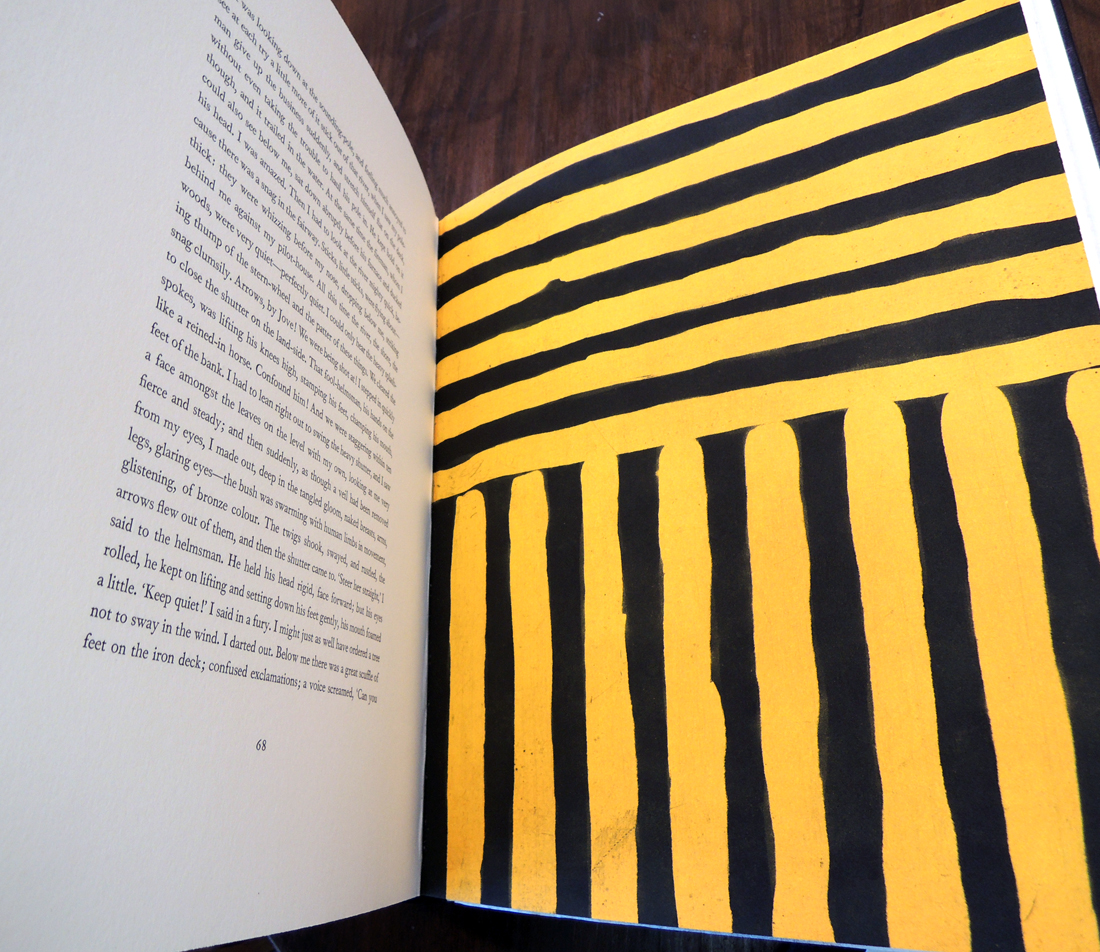
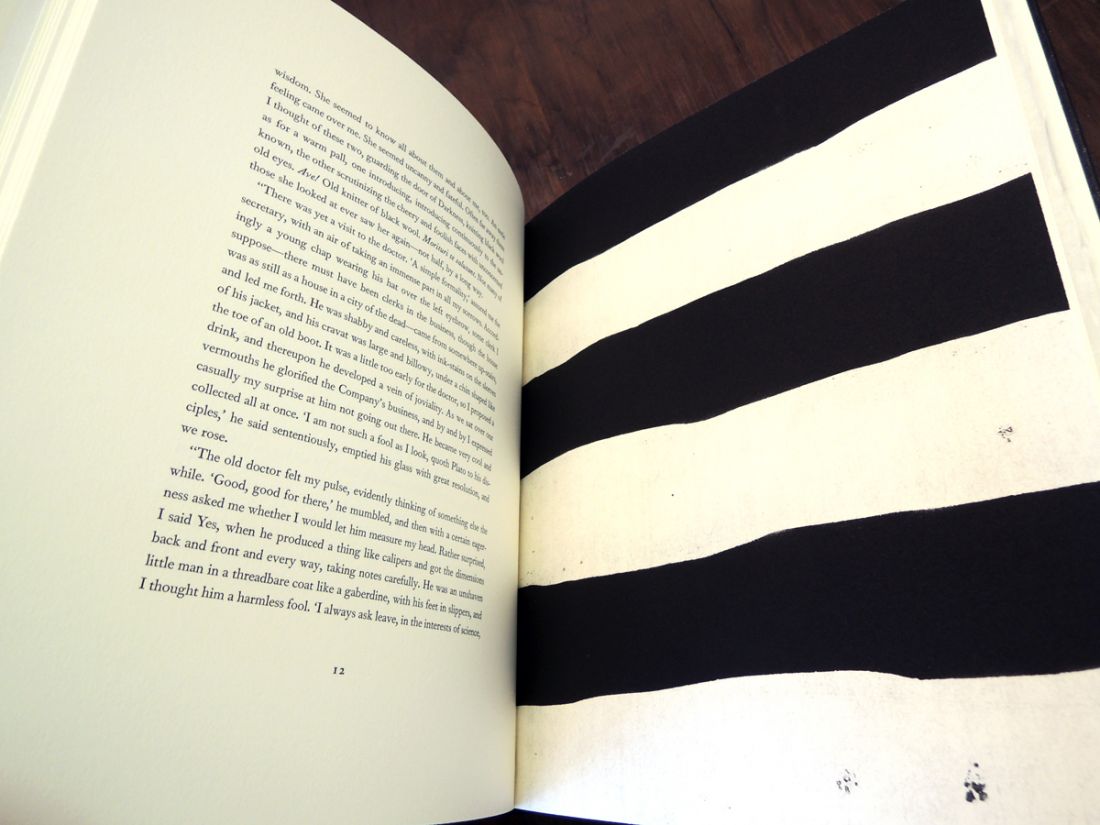
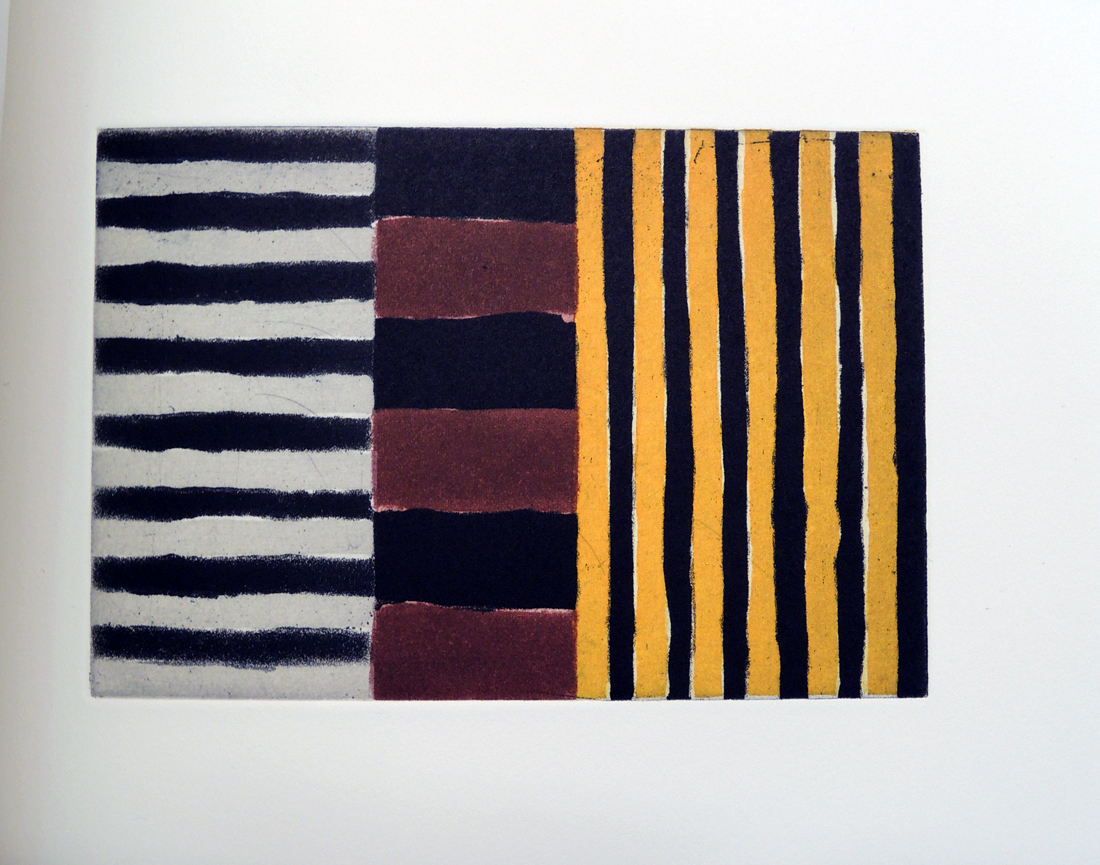
Ten years later, Scully reread Heart of Darkness and created a portfolio of 8 prints. Four full-page and four half-page etchings were bound into a new letterpress edition of Conrad’s novel, published in an edition of 300 copies for The Limited Editions Club. The volume was bound in Nigerian goatskin and its clamshell box is covered in black Italian cotton.

We are fortunate to have finally acquired a copy for Princeton.

conrad heart of darkness5
conrad heart of darkness4
conrad heart of darkness3

conrad heart of darkness6

Traité théorique et pratique de lithographie

f9.highres
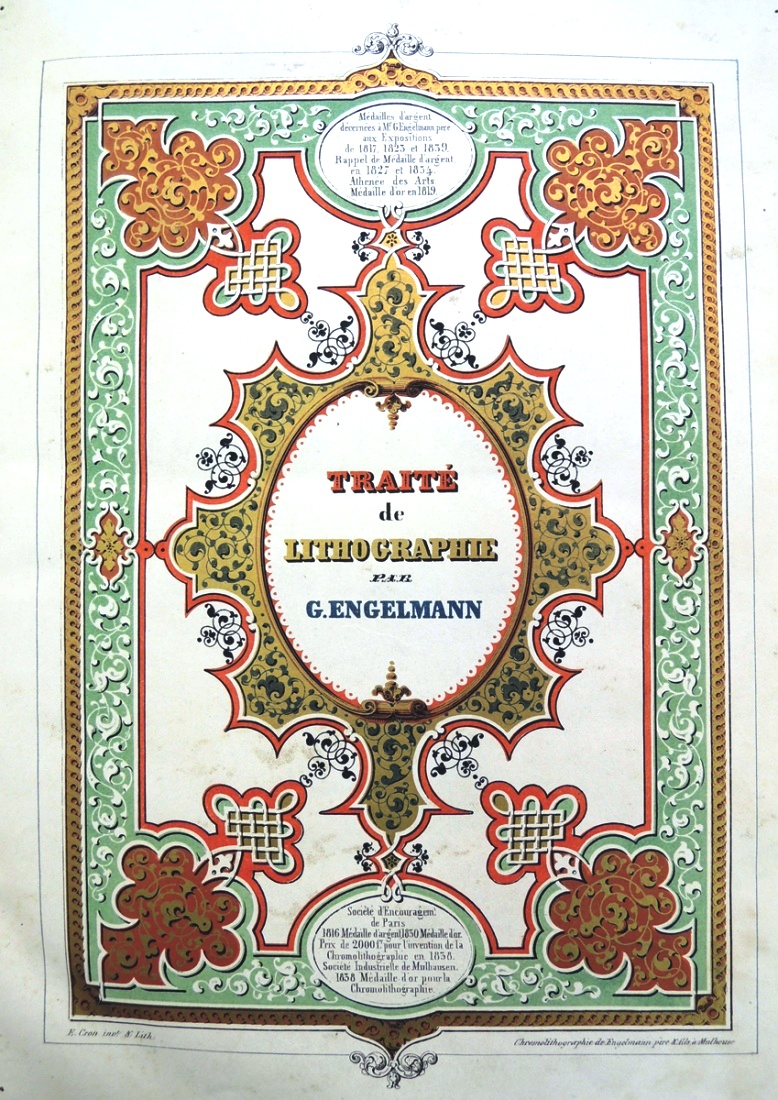
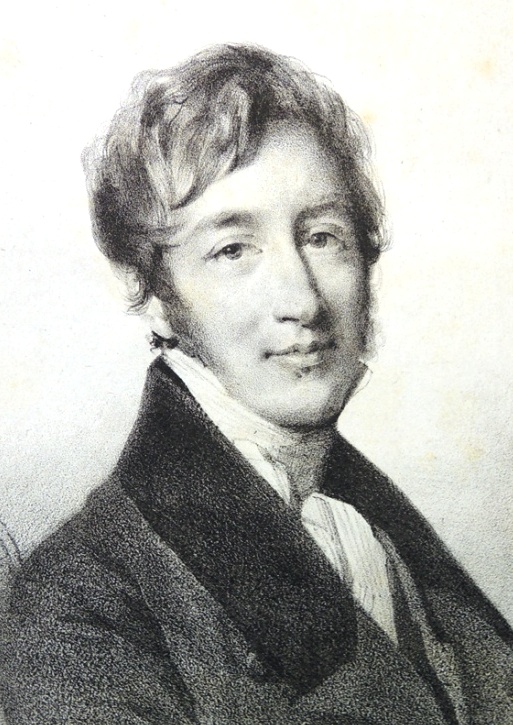
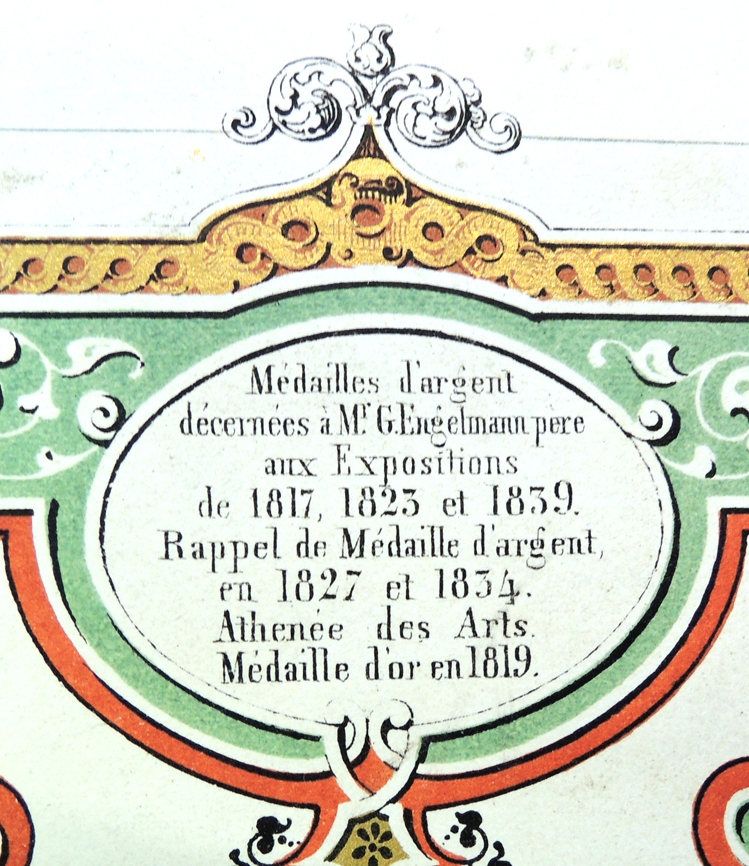
engelmann-traite3The nineteenth-century French artist and printer Godefroy Engelmann (1788-1839) founded the Industrial Society of Mulhouse (SIM) with his son Engelmann II after studying lithography with Aloys Senefelder in Munich.

Twenty years later, having establishing companies in Paris and London, Engelmann then returned to Mulhouse to focus on the new process of chromolithography, awarded a patent on July 1837.

His final treatise, A Discussion on Theoretical and Practical Lithography was published posthumously. Surprising to a twenty-first century audience, there are no illustrations in his manual beyond the decorative title pages.

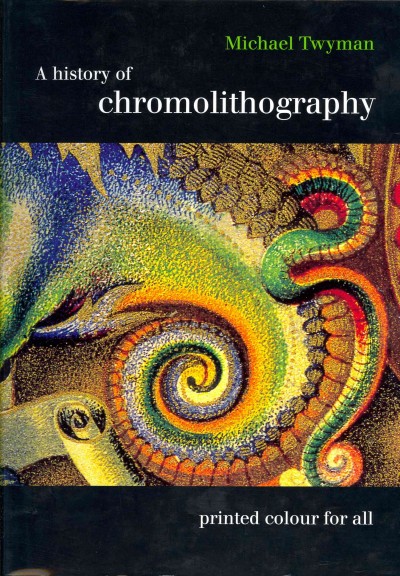
Happily, we also recently acquired Michael Twyman’s monumental A History of Chromolithography: Printed Colour for All, which offers 850 color illustrations along with detailed descriptions of all variations of planographic color printing.
Jacket.aspx

Twyman’s book is the first since the process was in its heyday to offer a detailed account of how chromolithographs were made, tracing the evolution of this hand-drawn color-printing process from its tentative beginnings in Germany in the early nineteenth century to its spread from Europe to the United States and beyond.

Michael Twyman is Emeritus Professor of Typography & Graphic Communication at the University of Reading, and has played an active role in several societies concerned with printing, particularly the Printing Historical Society and the Ephemera Society.

His publications include many articles and book chapters, in addition to over a dozen books, among them: Printing 1770-1970 (1970; 1998), Lithography 1800-1850 (1970), Early lithographed books (1990), Early lithographed music (1996), The British Library guide to printing (1998), Breaking the mould: the first hundred years of lithography (2001), and Images en couleur (2007).
engelmann-traite2


Godefroy Engelmann (1788-1839), Traité théorique et pratique de lithographie (Mulhouse, Haut-Rhin: Engelmann père et fils, 1839, 1840. Graphic Arts collection GAX Oversize 2013-0078Q


Michael Twyman, A History of Chromolithography: Printed Colour for All (London: British Library; New Castle, DE: Oak Knoll Press, 2013). GARF 2013- in process


engelmann-traite4

Helen West Heller Joins The Latin Quarter-ly

DSCN4506

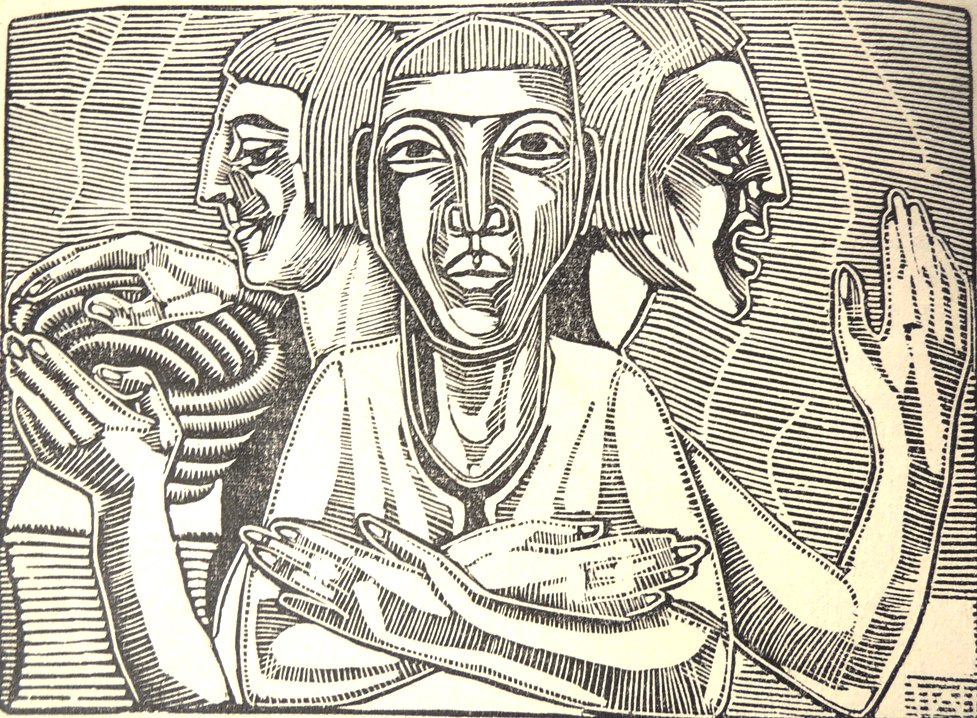
Woodcut by Helen West Heller in The Latin Quarter-ly (New York: Maspa Press, 1933-1934). Graphic Arts Collection 2014- in process.

DSCN4499During the depression of the 1930s, Ruth Widen and Lew Ney could no longer afford to live in Manhattan and moved their Parnassus Press to the Brooklyn waterfront south of the Brooklyn Bridge. For their larger print jobs, Max Spiegel, owner of Maspa Press on Barrow Street, let them use whatever equipment they needed. It was his Linotype machine that enabled them to bring out a substantial new magazine called The Latin Quarter-ly (associating Greenwich Village with its Parisian counterpart).

Unlike Lew Ney’s other news-sheets, this is a fifty-page magazine with editorials, poems, a short stories, essays, plays, cartoons, book and art reviews, and literary news. The content is decidedly more political, given the editors’ involvement with the Writers’ Union. The art is sharp and satirical thanks to artists borrowed from the New Masses, included Art Young (1866-1943) and Helen West Heller (1872-1955), who had only recently moved to New York City. Over 100 subscriptions were sold before the first issue was out, including to NYPL and Harvard University.

Sherwood Anderson’s name is front and center as a consulting editor, although he never contributes his own writing. Regular contributors include Louis Ginsberg (1896-1976, Allen Ginsberg’s father); the young Norman Fitzroy Maclean (1902-1990), later known for A River Runs Through It; the progressive minister Rev. Eliot White; Oxford-educated literary scholar Walter Edwin Peck (1891-1954), recently fired from Hunter College; journalist Isaac Don Levine (1892-1981) responsible for the formation of the Citizens National Committee for Sacco and Vanzetti; and Estelle Sternberger (1886-1971) a radio commentator who became the executive director of World Peaceways.

DSCN4509

Woodcut by Helen West Heller in The Latin Quarter-ly (New York: Maspa Press, 1933-1934). Graphic Arts Collection 2014- in process.

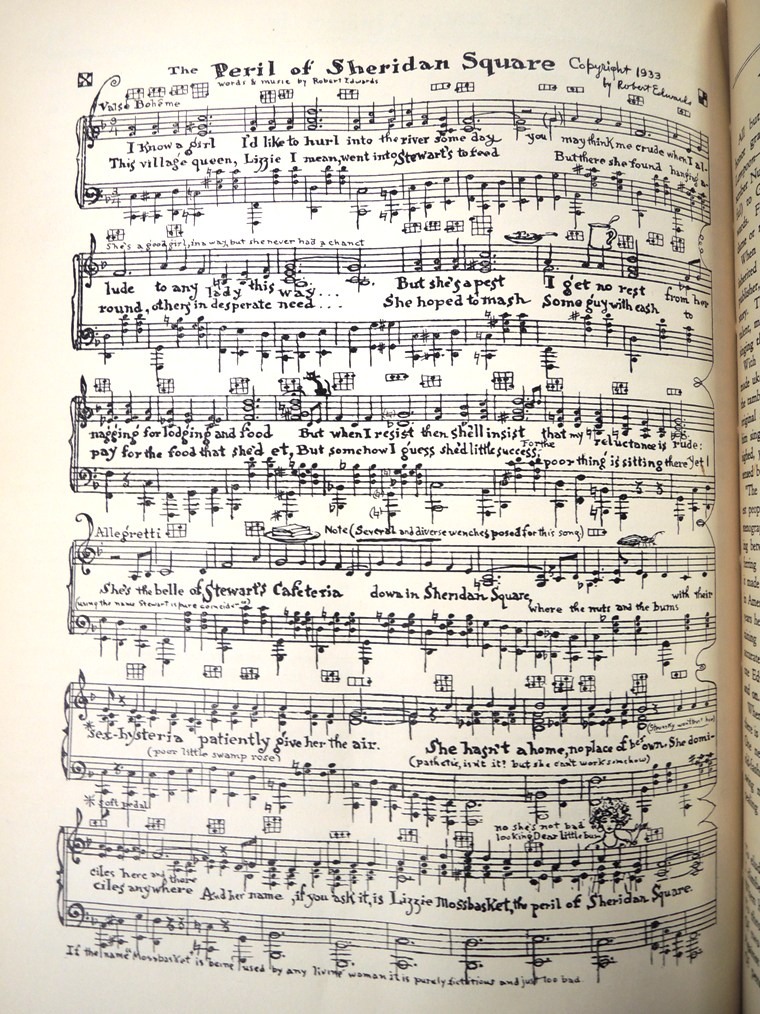
The 1934 winter issue includes the music for The Peril of Sheridan Square by Robert Edwards.

I know a girl I’d like to hurl into the river some day.
You may think me crude when I allude to any lady this way.
But she’s a pest, I get no rest from her nagging for lodging and food
But when I resist then she’ll insist that my reluctance is rude.

She’s the belle of Stewarts’ cafeteria down in Sheridan Square.
Where the nuts and the bums with their sex-hysteria patiently give her the air.
She hasn’t a home, no place of her own, she domiciles anywhere,
And her name if you ask it is Lizzie Mossbasket, the peril of Sheridan Square

This village queen, Lizzie I mean, went into Stewarts to feed
But there she found hanging around others in desperate need.
She hoped to mash some guy with cash to pay for the food that she’d et
But somehow I guess she’d little success poor thing is sitting there yet!


Hokusai’s Manga

hokusai manga5       hokusai manga4

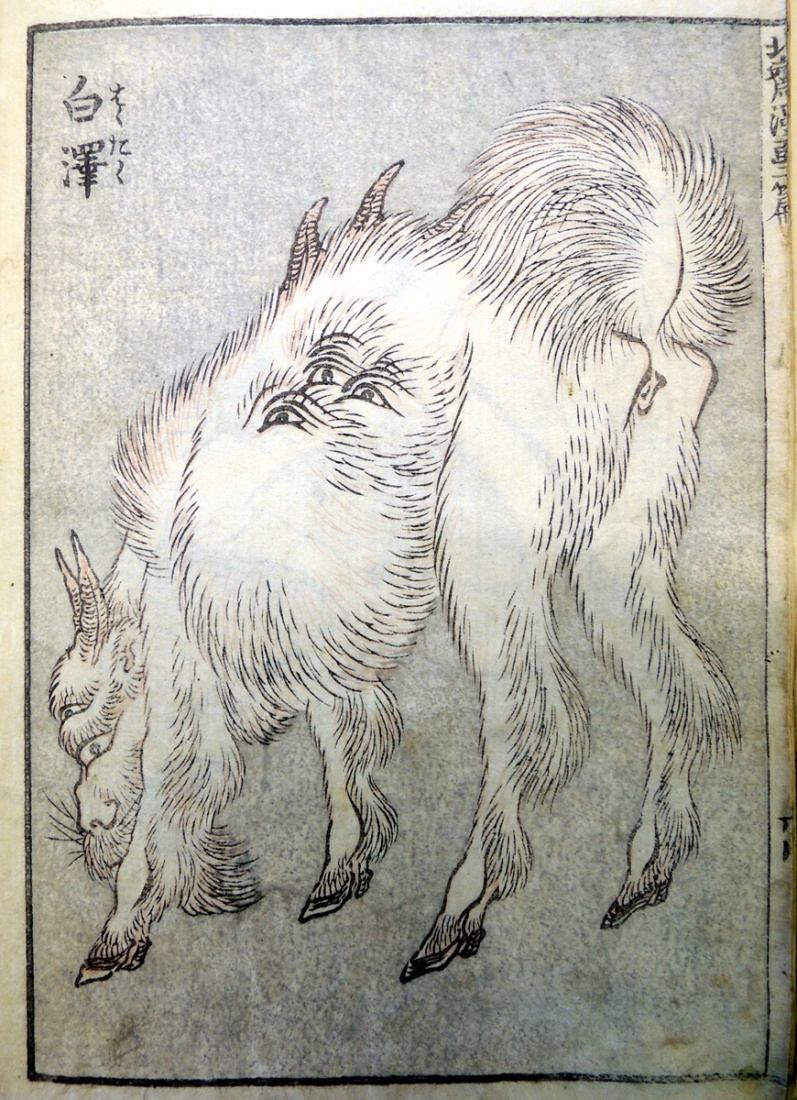
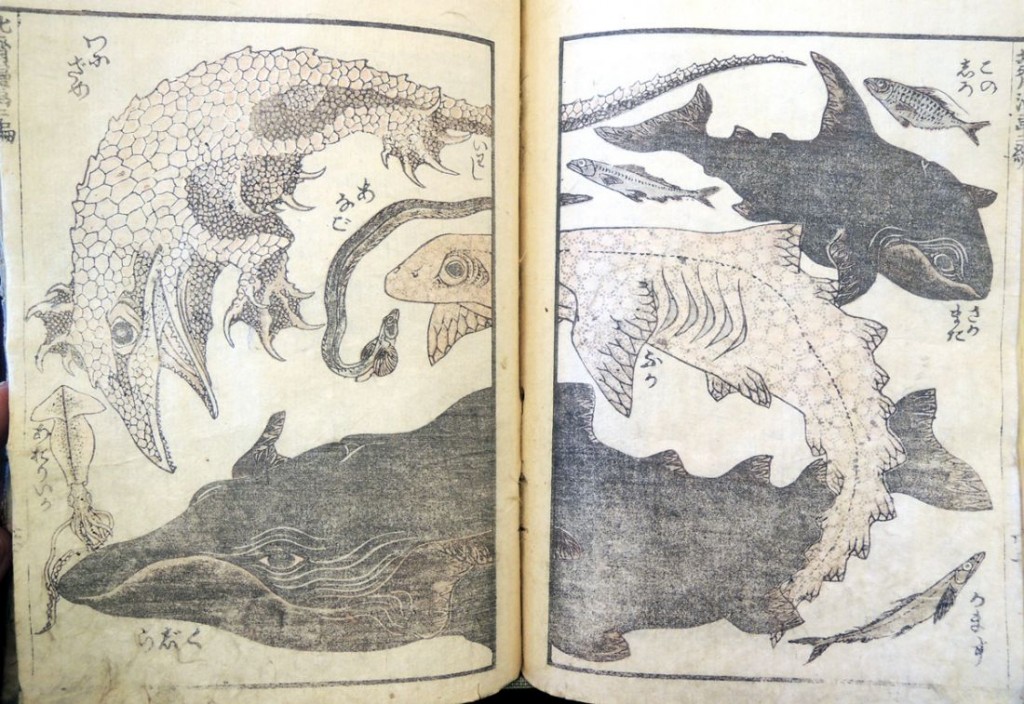
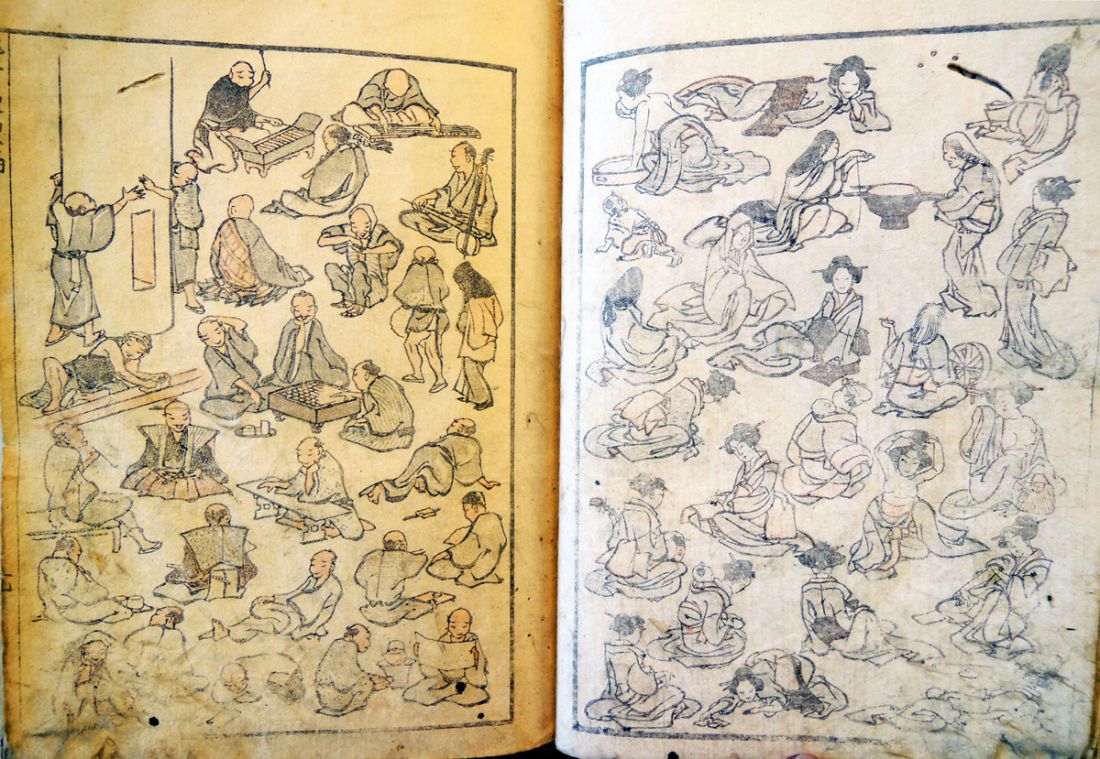
The Hokusai Manga is a collection of sketches depicting thousands of subjects in fifteen volumes, the first published in 1814. Although Princeton does not have a complete first edition of all fifteen sketchbooks, several collections hold various individual volumes. The Graphic Arts Collection has only one, volume two. In trying to identify which edition we hold, we used Matthi Forrer’s wonderful, Eirakuya Toshiro (Amsterdam, 1985).

Forrer writes, “The first volume was originally issued as a complete publication of the sketches prepared by Hokusai during his stay at Nagoya during 1812. The evidence for this can be found in the preface, which makes no mention of further volumes in preparation, as well as in the title which has no indication of any volume number … The success of the volume must have been great enough to make the publisher urge the artist for a continuation, and Hokusai seems to have agreed with a series of ten volumes.”

hokusai manga1
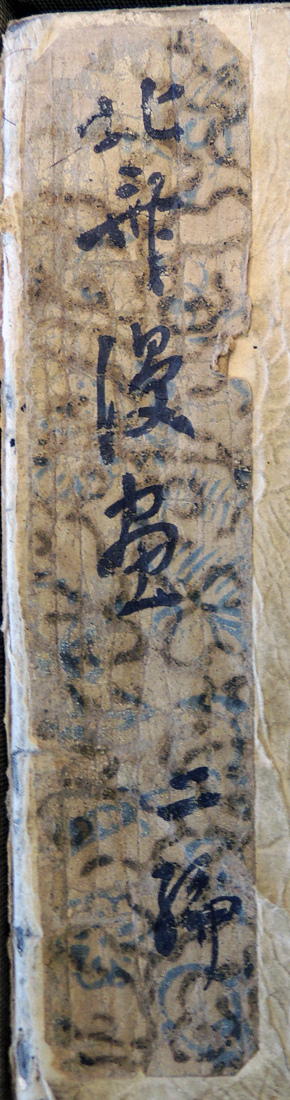
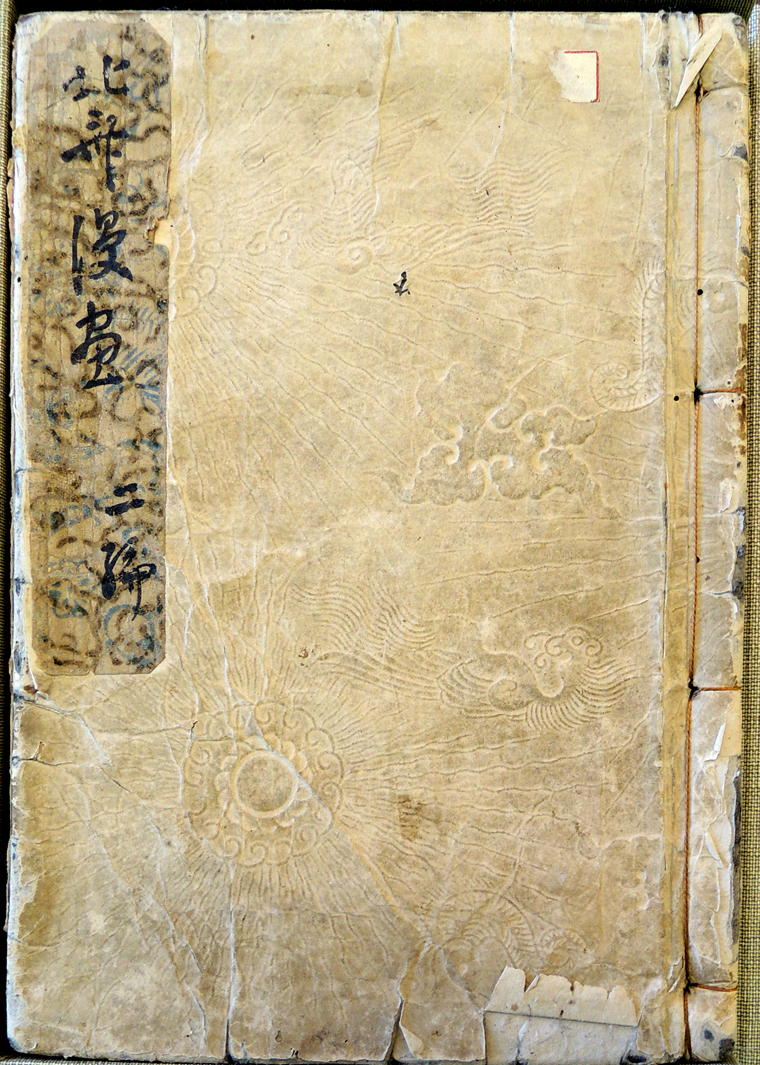
One of the clues is the color of the binding but surprisingly, our binding is not listed. Thanks to Mr. Forrer’s kind help we believe our volume has a unique collector’s binding. If you click on the picture above, you can see the intricate embossed pattern in the paper.

hokusai manga3

Katsushika Hokusai (1760-1849), Hokusai manga (Bishū Nagoya: Eirakuya Tōshirō, [1814-1878?]). v. 2 only; GAX 2013-0546N Gift of Elmer Adler

hokusai manga2